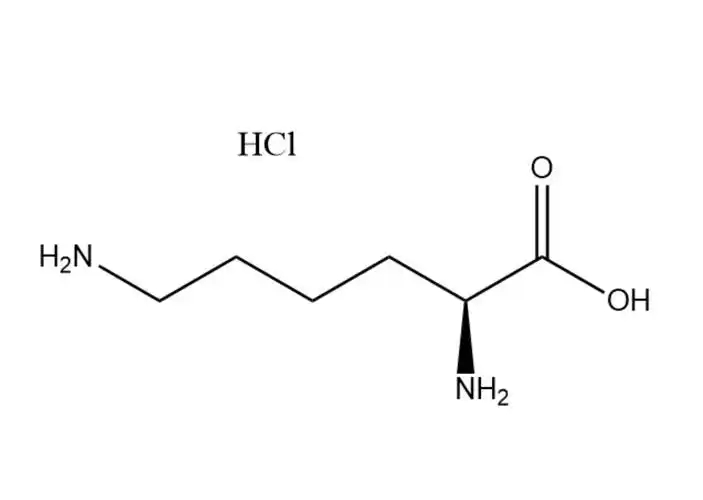
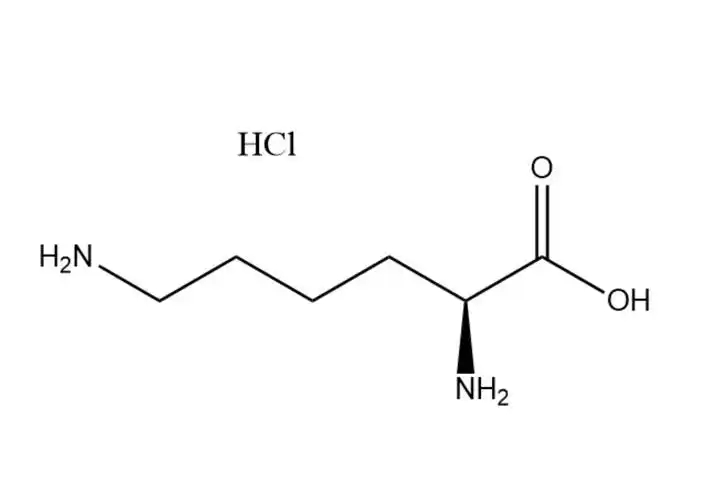
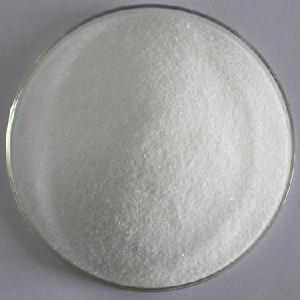
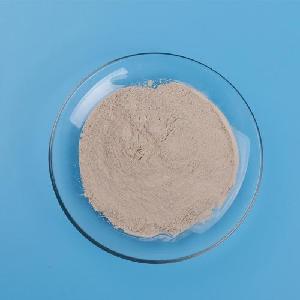
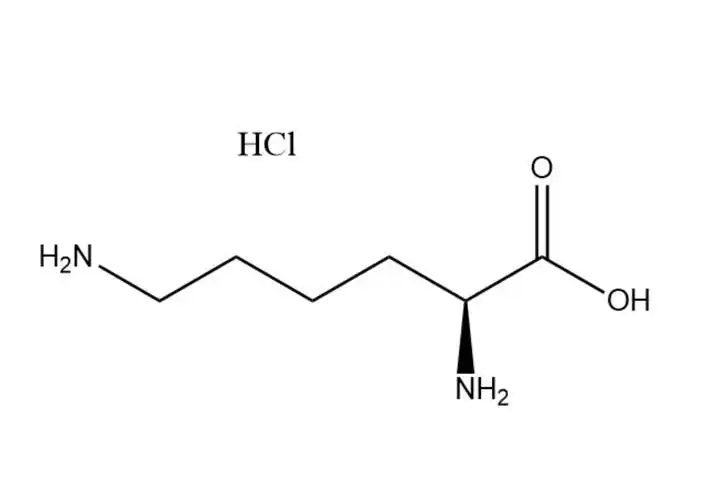
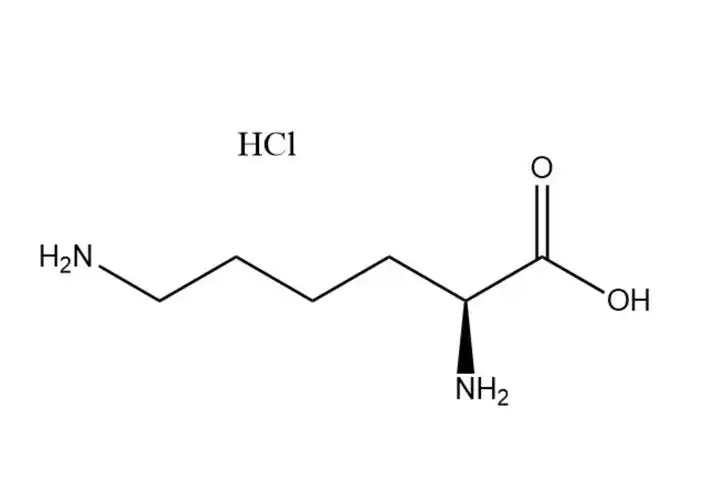
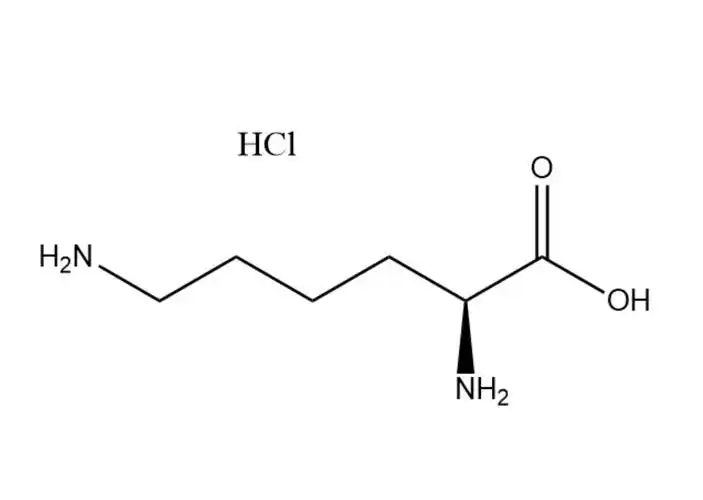
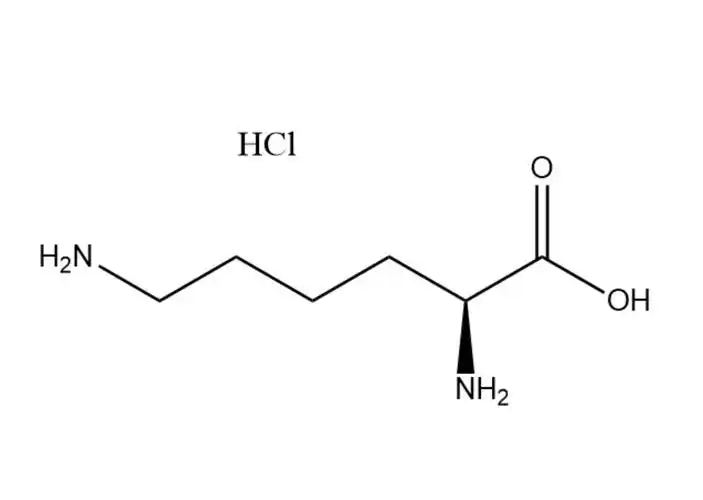
L-lysine monohydrochloride
In industrial production and application, the following physicochemical properties are the core quality control indices for L-lysine monohydrochloride (compliant with USP 47, EP 10, ChP 2020, and FAO/WHO food/feed standards):
- Assay (content): ≥98.5% (acid-base titration method).
- Specific rotation: +20.3° to +21.5° (10% w/v aqueous solution, 25 °C).
- Loss on drying: ≤0.5% (105 °C, 3 h)— no water of crystallization.
- Residue on ignition: ≤0.1%— low inorganic impurity content.
- Chloride content: 19.0–19.8% (titration with AgNO3)— confirms the hydrochloride salt stoichiometry.
- Heavy metals: ≤10 ppm (Pb²⁺ as reference)— meets food/ pharmaceutical safety standards.
- Arsenic: ≤1 ppm— ultra-low toxic impurity content.
- pH: 5.0–6.0 (10% w/v aqueous solution)— near neutral, no irritation to gastrointestinal tract.
Другие товары поставщика
|
|
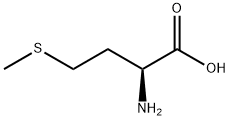
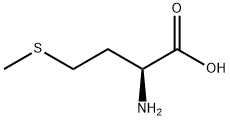
DL-methionine powder |
DL-Methionine is used in the food industry as a nutritional fortifier and processing aid, with applications focused on improving the nutritional qu... |
|
|
L-Lysine monohydrochloride |
The most prominent performance advantage ofL-Lysine monohydrochloride is its optimized physical and chemical properties that eliminate the critical... |
|
|
DL-Methionine |
DL-Methionine has multiple coordination sites (amino nitrogen, carboxylate oxygen, and sulfur atom in the methylthio group), enabling it to form st... |
|
|
Glycine |
The main physiological functions of Glycine1. Synthesis of proteinsGlycine is one of the basic units that constitute the majority of proteins and i... |
|
|
L-tryptophan |
L-tryptophan is naturally abundant in various protein-rich foods, with the following being key dietary sources: Animal products: Turkey, chicken, f... |
Все товары поставщика
Похожие товары