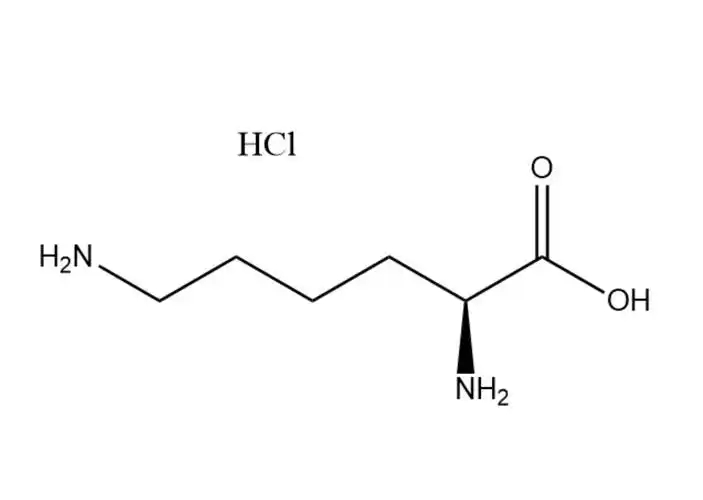
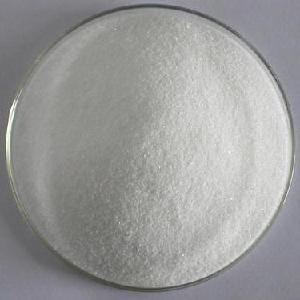
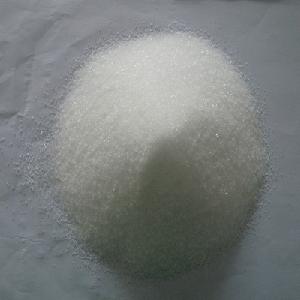
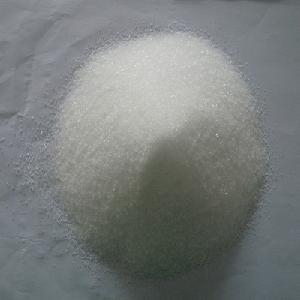
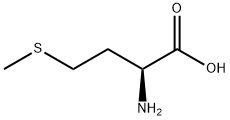
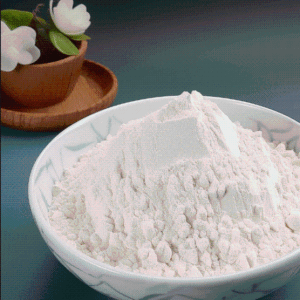
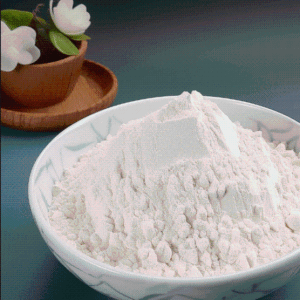
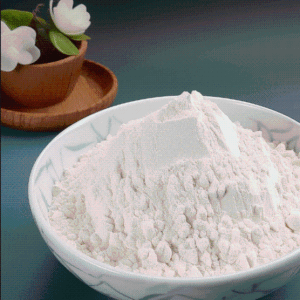
L-lysine monohydrochloride
In industrial production and application, the following physicochemical properties are the core quality control indices for L-lysine monohydrochloride (compliant with USP 47, EP 10, ChP 2020, and FAO/WHO food/feed standards):
- Assay (content): ≥98.5% (acid-base titration method).
- Specific rotation: +20.3° to +21.5° (10% w/v aqueous solution, 25 °C).
- Loss on drying: ≤0.5% (105 °C, 3 h)— no water of crystallization.
- Residue on ignition: ≤0.1%— low inorganic impurity content.
- Chloride content: 19.0–19.8% (titration with AgNO3)— confirms the hydrochloride salt stoichiometry.
- Heavy metals: ≤10 ppm (Pb²⁺ as reference)— meets food/ pharmaceutical safety standards.
- Arsenic: ≤1 ppm— ultra-low toxic impurity content.
- pH: 5.0–6.0 (10% w/v aqueous solution)— near neutral, no irritation to gastrointestinal tract.
Other supplier products
|
|
Glycine |
Glycine is a very simple α-amino acid with the widest range of applications among the non-essential amino acids in the human body. Due to its... |
|
|
DL-Alanine |
DL-Alanine can interact with proteins and starches in food, modifying their structure to improve texture and stability—especially in processe... |
|
|
DL-Methionine |
DL-Methionine, chemically designated asDL-2-amino-4-(methylthio)butanoic acid, is a racemic mixture consisting of equimolar quantities of L-methion... |
|
|
DL-Alanine |
DL-Alanine is recognized asGenerally Recognized as Safe (GRAS)by major regulatory bodies (e.g., FDA in the U.S., EFSA in the EU, and CFSA in China)... |
|
|
DL-Methionine |
Hygroscopicity and Bulk Properties of DL-MethionineHygroscopicity: DL-methionine has weak hygroscopicity. Under ambient conditions (25 °C, rela... |
供应产品
Same products