Textile Enzyme
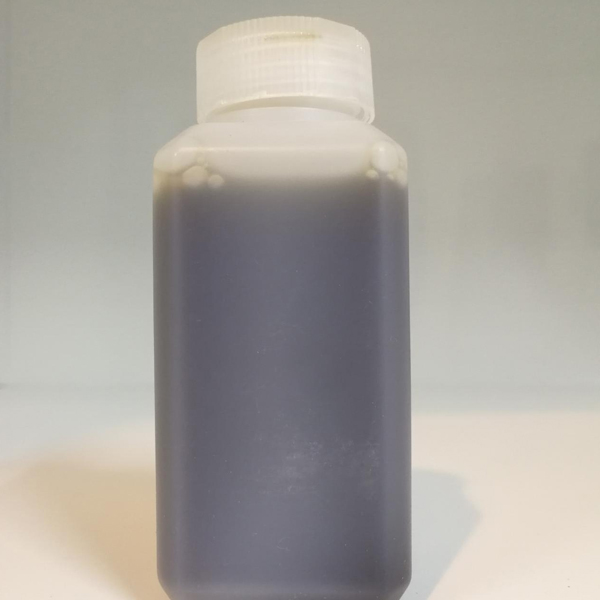
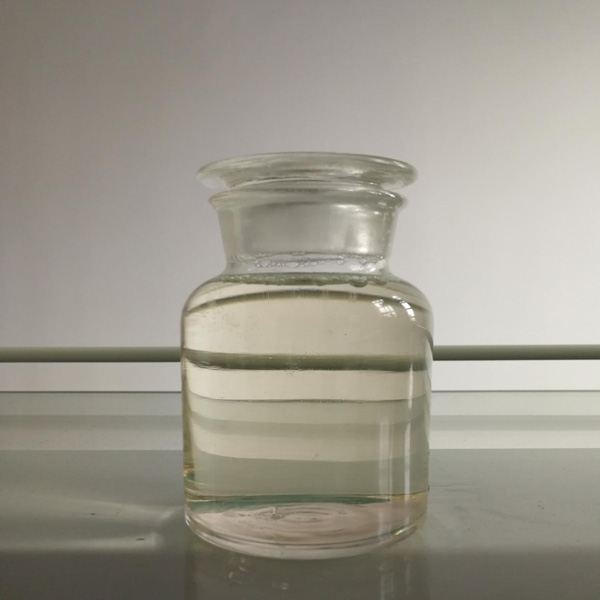
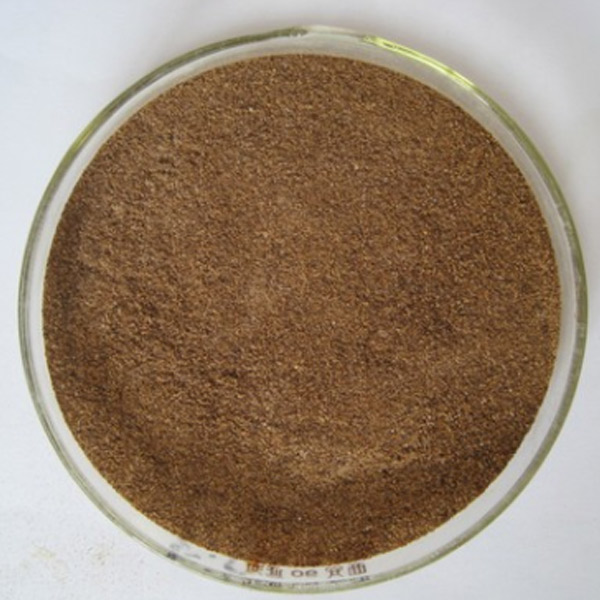
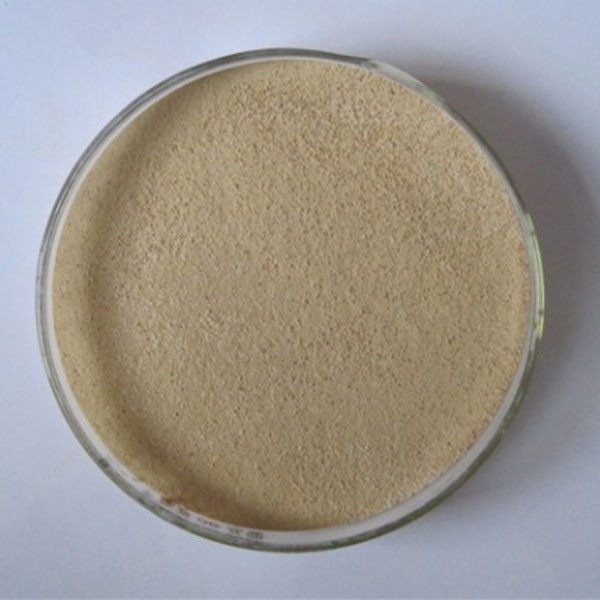
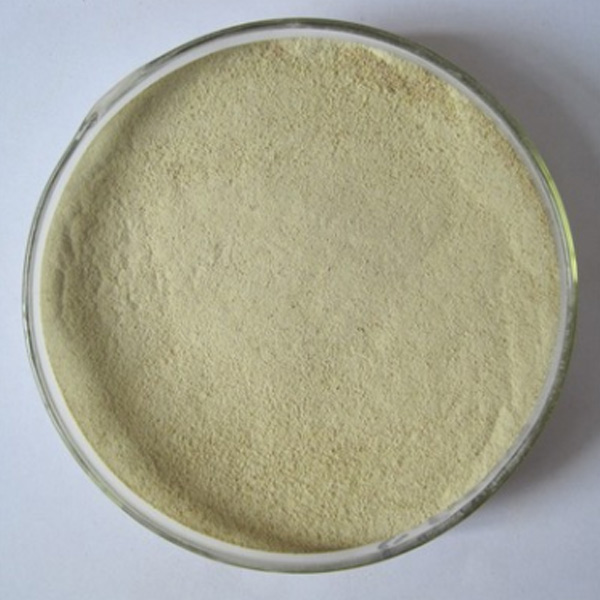
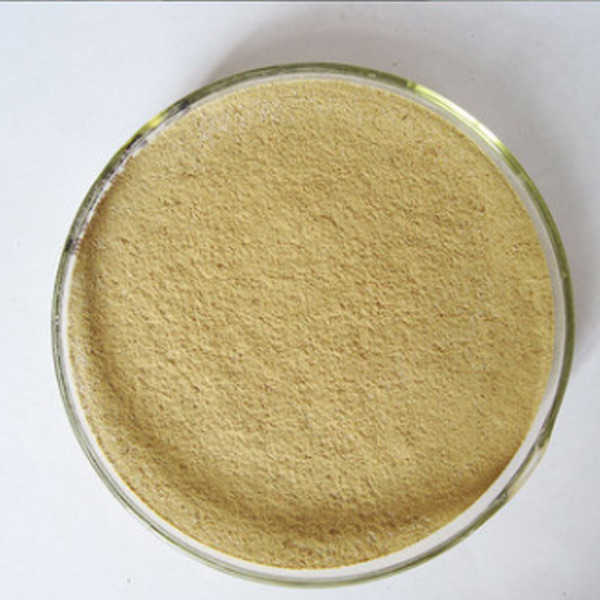
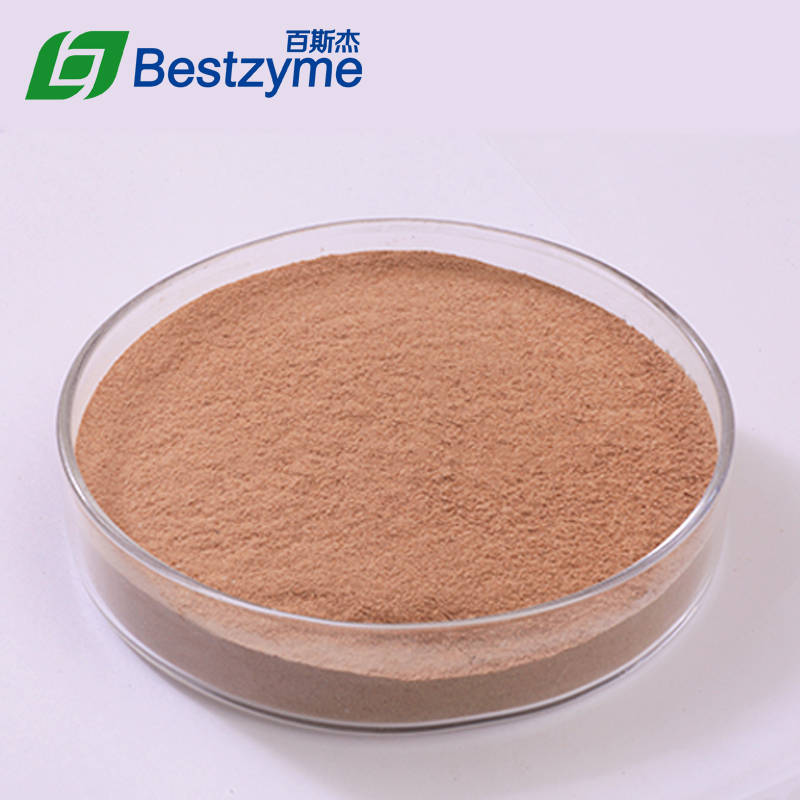
Stickum adhering to and inlaying the fasciculus is removed by textile enzymes, accelerating the separation of fibers, strengthening the wettability and hygroscopicity for the surface of textiles and improving the dyeing effect of yarn and textile. Textile enzymes can wipe filoplume, pelletizing and barge effect on the surface off. The textile will become softer and fluffier with good drapability, and it will not feel itchy when people wear bast fiber textile after the treatment. It can discompose the amylum, starch derivatives, the blending of amylum/compound size, which can transform amylum into dextrine quickly to lower the viscosity for making it extremely easy removed in the subsequent washing, having the ideal effect of getting rid of starch pulp and obtaining an excellent handle without damaging the textile. Shingenzyme is famouse textile enzymes manufacturerin China offering quality textile enzymes.
Other supplier products
|
|
Neutral Desizing Enzyme for Textile |
As a high-tech incubator, Xiongjin Biotechnology (Shanghai) Co., Ltd. has an independent enzyme preparation research and development team. It track... |
|
|
Acid Lipase |
Acid lipase enzyme powder is a kind of lipase extracted from aspergillus Niger strain. Typical application fields include feed, food, medicine, che... |
|
|
Cleaner Enzyme |
Enzymes in cleaner contains hydrolase such as protease, lipase and diastase, which can decompose protein, carbohydrate and lipids into the constitu... |
|
|
Acid Cellulase Enzyme (Powder) |
Product info
Definition of Enzyme Activity
Under the condition of pH 4.8 at 37 ℃, 1 μ mol reducing sugar is released every minute from the ... |
|
|
High Temperature Resistant Phytase |
High temperature resistant phytase is prepared by liquid deep fermentation and post treatment. Phytase is a special kind of phosphomonophosphate hy... |
All supplier products
Same products