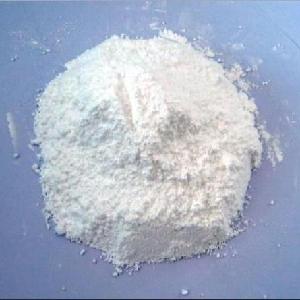
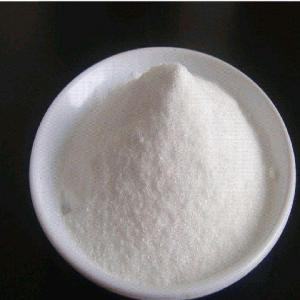
L-Methionine in Animal Feed Additive

L-Methionine in Animal Feed Additive Applications L-Methionine is one of the most critical nutritional additives in animal husbandry, as monogastric animals (poultry, swine, aquatic species) cannot synthesize it endogenously, and ruminants have limited synthesis capacity. Its applications focus on improving growth performance and feed efficiency: Poultry Feed: Widely used in chicken, duck, and turkey feed. Supplementation (0.1%–0.3% of the diet) enhances weight gain, improves feed conversion ratio (FCR), increases egg production and eggshell quality in laying hens, and reduces mortality. For broilers, L-Methionine promotes muscle growth and lean meat percentage, while in breeders, it supports reproductive performance. Swine Feed: Added to piglet, grower, and finisher diets to improve daily gain, reduce FCR, and enhance carcass quality (e.g., increased lean meat percentage, reduced fat content). Piglets, in particular, require adequate L-Methionine to cope with weaning stress and support intestinal development. Aquatic Feed: Essential for fish (salmon, tilapia, carp) and shrimp feed. It promotes growth, improves feed utilization, enhances disease resistance, and maintains the quality of fish muscle. In plant-based aquatic feeds (replacing fish meal), L-Methionine fortification balances the amino acid profile, ensuring optimal growth performance. Ruminant Feed: Used in dairy cow and beef cattle feed to improve milk production, milk protein content, and weight gain. It supports rumen microbial metabolism and enhances the utilization of dietary nutrients.
Other supplier products
|
|
L-Methionine powder |
L-Methionine is an essential sulfur-containing amino acid that plays irreplaceable roles in protein synthesis, metabolic regulation, and physiologi... |
|
|
Sucralose Price |
Sucralose is a calorie-free, highly sweetening agent substance derived from sucrose. It is in the form of a white powder and possesses characterist... |
|
|
High quality L-tryptophan |
Beyond natural occurrence, L-tryptophan is sometimes added to fortified foods and functional products to enhance nutritional value or provide speci... |
|
|
L-Cysteine hydrochloride monohydrate Manufacturer |
Packaging Requirements1. Primary PackagingSealable Bags/Bottles: Use hermetically sealed bags (e.g., foil-lined packages) or airtight bottles with ... |
|
|
Sucralose Supplier |
Sucralose is a non-nutritive sweetener that is widely used in industries such as beverages, food, medicine, and cosmetics. As it is a new type of n... |
All supplier products
Same products
|
|
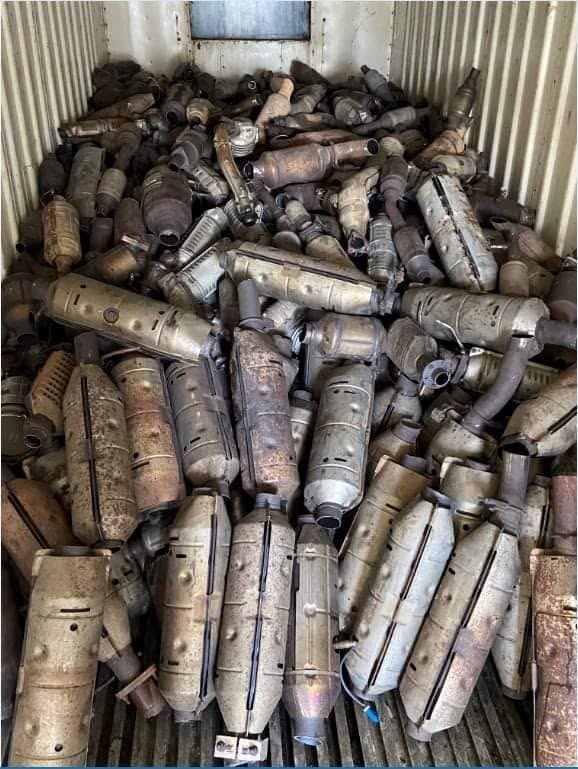
Catalytic Converter Scrap Supplier, Catalytic Converter Scrap for Sale, , Catalytic Converter Scrap, Catalytic Scrap for Sale, Catalytic Scrap Supplier, Scrap Catalytic Supplier |
Seller: Trucont LLC |
At Trucont LLC, we have ongoing Catalytic converter scrap available for immediate loading and shi... |
|
|
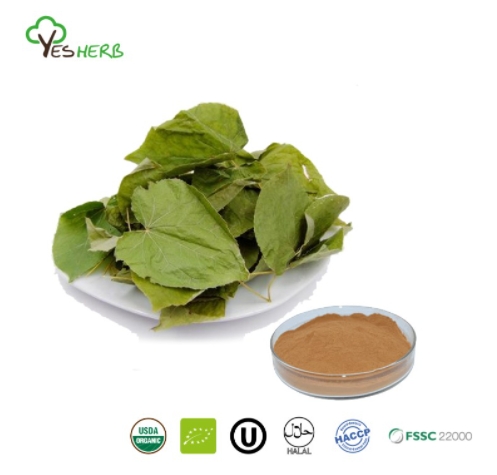
Epimedium Extract |
Seller: Xi'an Yuensun Biological Technology Co., Ltd. |
Product Name: Epimedium ExtractLatin Name: Epimedium Sagittatum Maxim.Specification: Icariin 5%, ... |
|
|
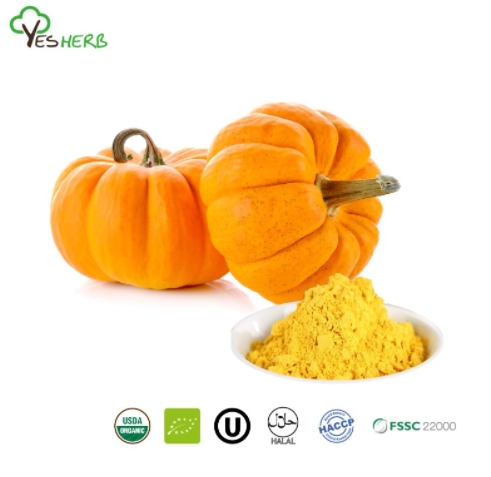
Pumpkin Powder |
Seller: Xi'an Yuensun Biological Technology Co., Ltd. |
Product Name: Pumpkin PowderLatin Name: Cucurbita pepo L.Used Part: FruitAppearance: yellow fine ... |
|
|
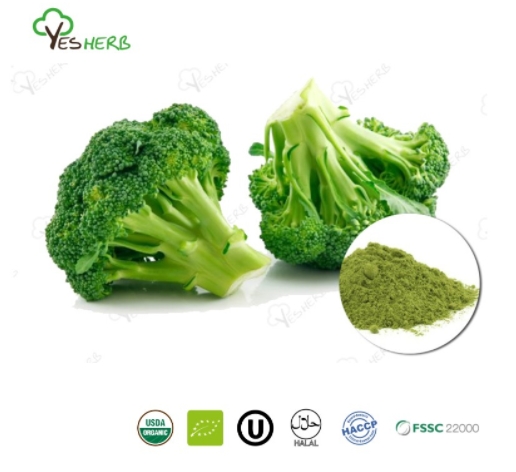
Broccoli Powder |
Seller: Xi'an Yuensun Biological Technology Co., Ltd. |
Product Name: Broccoli powder
Latin Name: Brassica oleracea L.var.italic Planch.
Used Part: Who... |
|
|
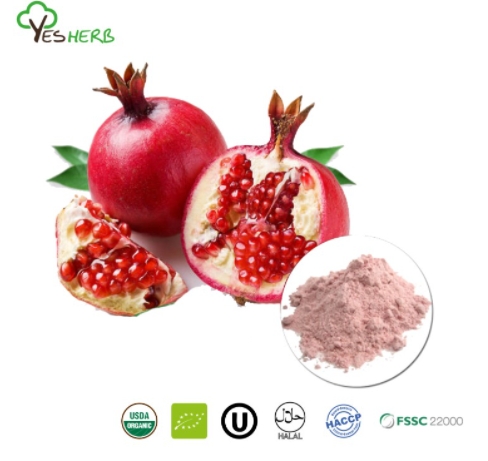
Pomegranate Powder |
Seller: Xi'an Yuensun Biological Technology Co., Ltd. |
Product Name: Pomegranate PowderLatin Name: Punica granatum linn.Used Part: Fruit juiceAppearance... |