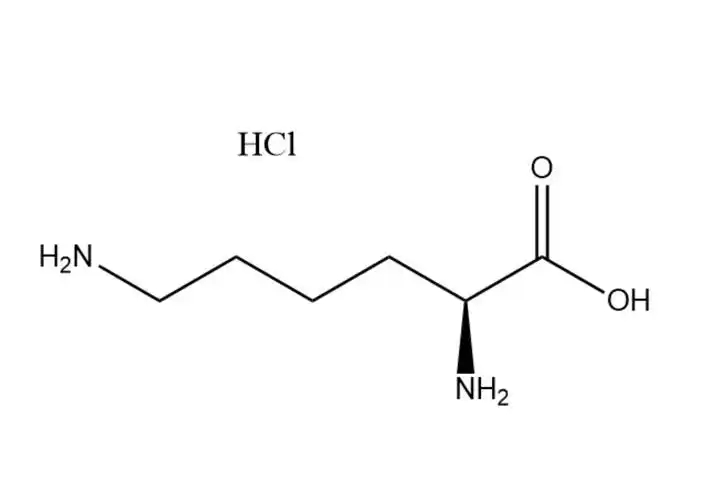
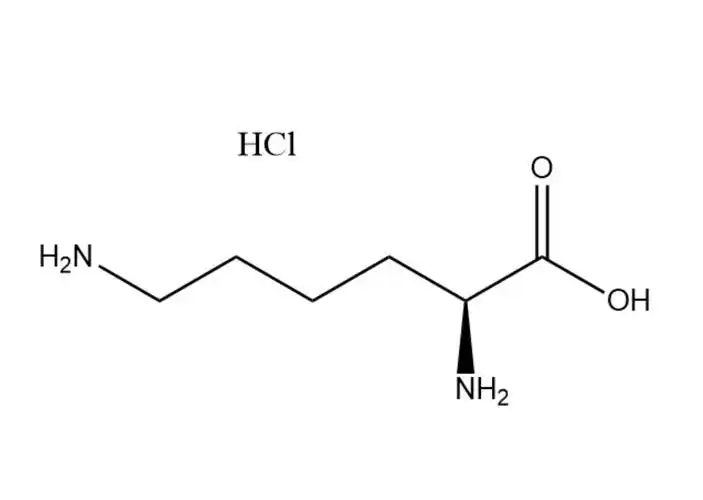
Wholesale L-tryptophan
L-tryptophan is naturally abundant in various protein-rich foods, with the following being key dietary sources: Animal products: Turkey, chicken, fish (e.g., salmon, tuna), eggs, dairy (milk, yogurt, cheese) are among the richest sources. For example, 100 grams of turkey breast contains approximately 0.3 grams of tryptophan. Plant-based foods: Legumes (lentils, chickpeas), nuts and seeds (pumpkin seeds, almonds), whole grains (oats, quinoa), and some fruits and vegetables (spinach, bananas) also provide moderate amounts, though generally less than animal sources. These natural sources contribute to daily tryptophan intake, supporting basic physiological functions like protein synthesis and neurotransmitter production.
Other supplier products
|
|
L-Methionine Supplier |
Dietary Sources and Applications of L-Methionine Dietary Sources: Rich in animal-derived foods such as meat (beef, pork), fish, eggs, and dairy pro... |
|
|
L-Tryrosine Supplier |
L-Tryrosine is a non-essential amino acid that plays important roles in the human body. Here is a detailed introduction:
Basic Information
Chemica... |
|
|
Inositol 87-89-8 |
Inositol, also known as myo-inositol, is a six‑hydroxy cyclohexane derivative, traditionally classified as vitamin B8. It is a water‑soluble, vitam... |
|
|
L-Methionine in Food and Nutritional Fortification Applications |
L-Methionine in Food and Nutritional Fortification Applications In the food industry, L-Methionine is primarily used as a nutritional fortifier to ... |
|
|
High quality L-leucine |
Functions in the Human BodyProtein Synthesis: It is a crucial component for building proteins. It combines with other amino acids through peptide b... |
All supplier products
Same products