

Fine Chemicals Cinnamyl Aldehyde CAS 104-55-2

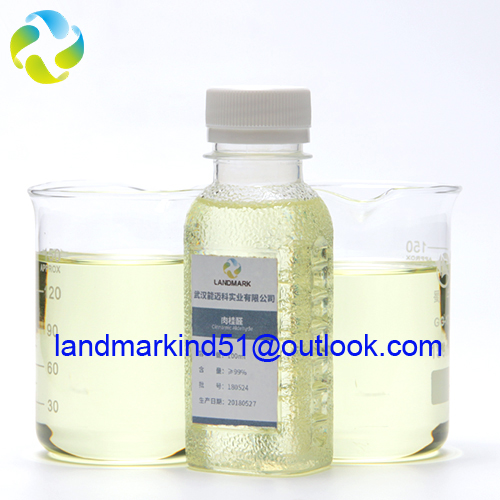
English name : Cinnamyl Aldehyde
Other names: Cinnamaldehyde; 3-phenyl-2-propena; 3-Phenyl-2-propenaldehyde; 3-phenyl-acrolei; 3-Phenylacrolein; 3-Phenylacrylaldehyde; Abion CA; abionca; Acrolein
CAS No.: 104-55-2
Molecular formula: C9H8O
Molecular weight: 132.16
Molar mass: 132.16g/mol
Melting point: −9-−4°C(lit.)
Boiling point: 250-252°C(lit.)
Flash point: 160°F
Refractive index:n20/D 1.622(lit.)
Properties : yellow liquid with an odour of cinnamon; Combustible, yellowish, oily liquid (thickens on exposure to air). Strong pungent, spicy, cinnamon odor.
Purity : 99%
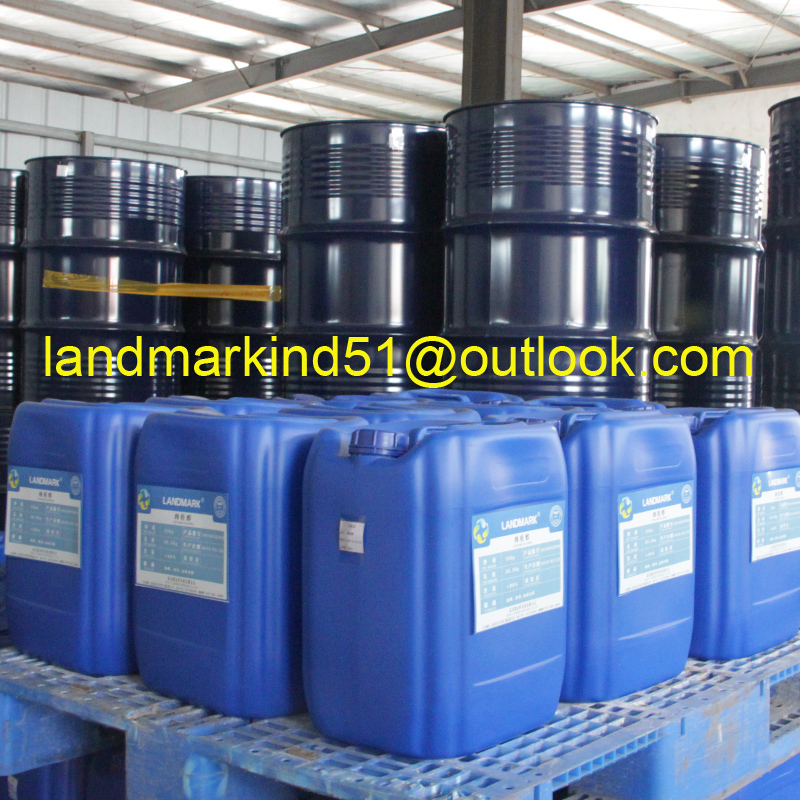
Packaging : 500g;1kg;5kg,10kg,25kg,50kg
Storage method: Warehouse low temperature, ventilation, dry; Fire prevention;Keep separate from oxidants and food ingredients.
Usage :
One. Application of cinnamaldehyde in medicine
1. Sterilization, disinfection and antisepsis, especially for fungi.
2. Anti-ulcer, strengthen stomach and intestinal movement.
3. Lipolysis.
4. Antiviral effect.
5. Anti-cancer effect. .
6. Dilate blood vessels and lower blood pressure.
Two. Application of cinnamaldehyde in chemical industry
1. Organic chemical synthesis.
2. In industry, it can also be made into developer and experimental reagent.
3. Insecticide, mosquito repellent, refrigerator deodorant, preservative, etc.
4. Cinnamaldehyde can also be used as a bactericidal algicide and acid corrosion inhibitor in oil extraction.
5. Cinnamaldehyde can also be widely used in antiseptic and mildew preservation.
6. Cinnamaldehyde can be used to make chewing gum.
Application of cinnamaldehyde in chemical industry
1.Organic chemical synthesis. Used in the synthesis of α-bromocinnamaldehyde, cinnamic acid, cinnamyl alcohol, cinnamonitrile and other products.
2. In the industry, it can also be used as developer and experimental reagent.
3. It’s applied to insecticides, insect repellents, refrigerator deodorants, preservatives, etc.
Application in flavors and fragrances
As a hydroxy acid-containing fragrant compound, cinnamaldehyde has a good aroma holding effect, and is used as a fragrant raw material in the scenting, so that the main fragrance is more fragrant. It is often used as a fixative because it has a higher boiling point than other organic materials with similar molecular structures. As the Synthetic flavors and fragrances, it’s also often used in soap flavors to prepare flavors such as hazelnuts, frangipani, lily of the valley, and rose. It can be used in apple, cherry, and fruit flavors in food flavors.
Send product request
Other supplier products
 |
Made in China Cinnamic acid CAS 140-10-3 | Cinnamic acid sources, health benefits and usesCinnamic acid is an odorless white crystalline acid that has only been recently studied for its pote... |
 |
Fine Chemicals Ethyl Cinnamate CAS 103-36-6 | Name: Ethyl cinnamate CAS No.: 103-36-6 Formula: C11H12O2 Molecular Weight: 176.21 Melting point:: 6-8 °C Boiling point: 271.5 °C Density: ... |
 |
Flavours and Fragrances Methyl Cinnamate CAS 103-26-4 | Name: methyl cinnamate CAS No.: 103-26-4 Formula: C10H10O2 Molecular Weight: 162.19 Melting point:: 34-38°C(lit.) Boiling point: 263°C... |
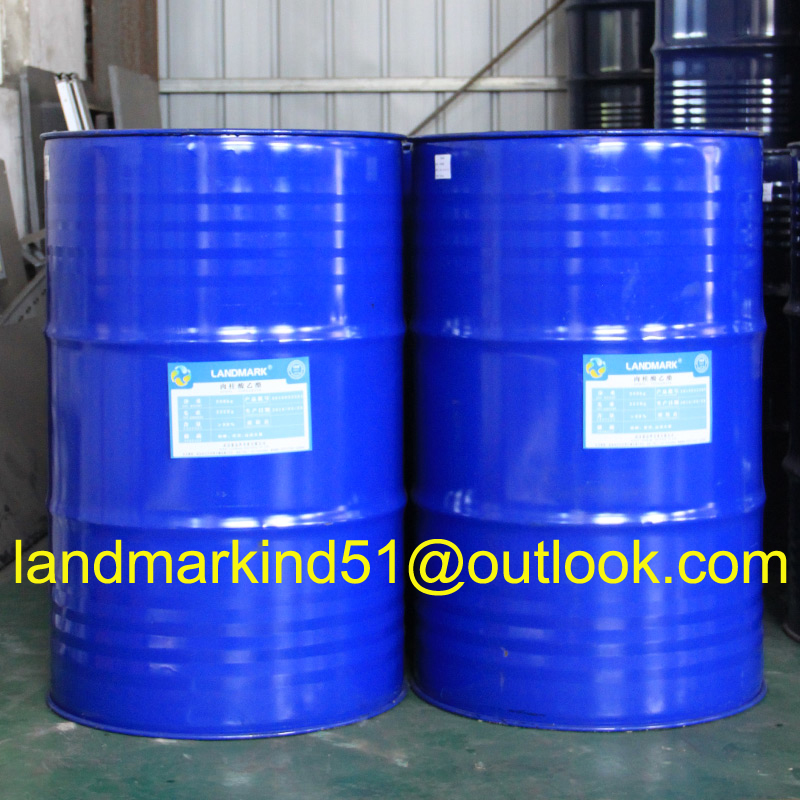 |
Food Additives Raw Materials Methyl Cinnamate CAS 103-26-4 | Name: methyl cinnamateCAS No.: 103-26-4Formula: C10H10O2Molecular Weight: 162.19Melting point:: 34-38°C(lit.)Boiling point: 263°C(lit.)Dens... |
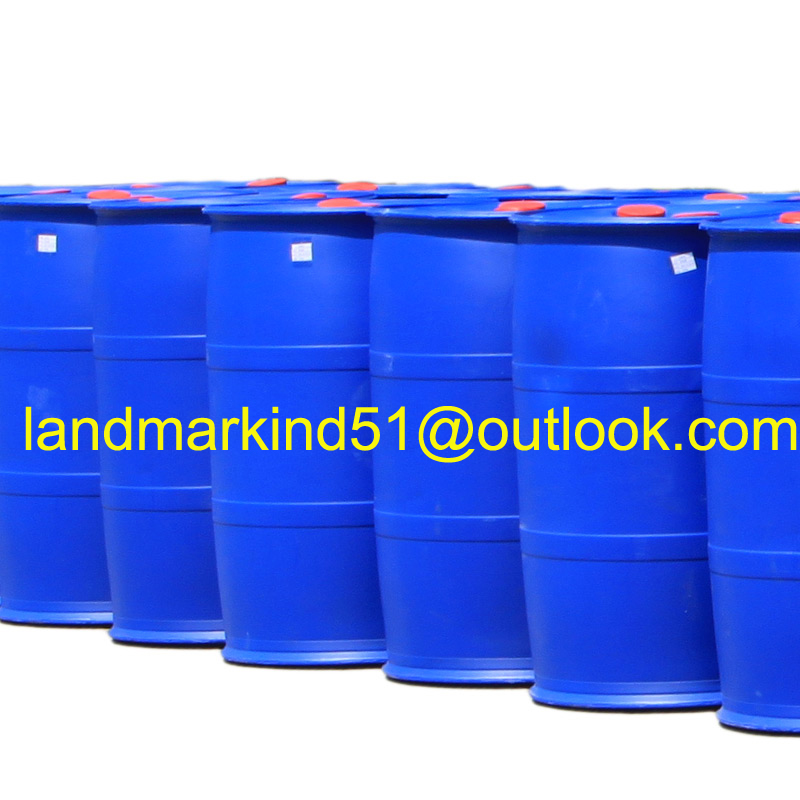 |
Food Flavours Raw Materials Cinnamaldehyde CAS 104-55-2 | Name: Cinnamaldehyde Other names: 3-Phenyl-2-propenal; Cinnamic aldehyde; trans-Cinnamaldehyde CAS No.: 104-55-2 Chemical formula: C9H8O Molecular ... |
Same products
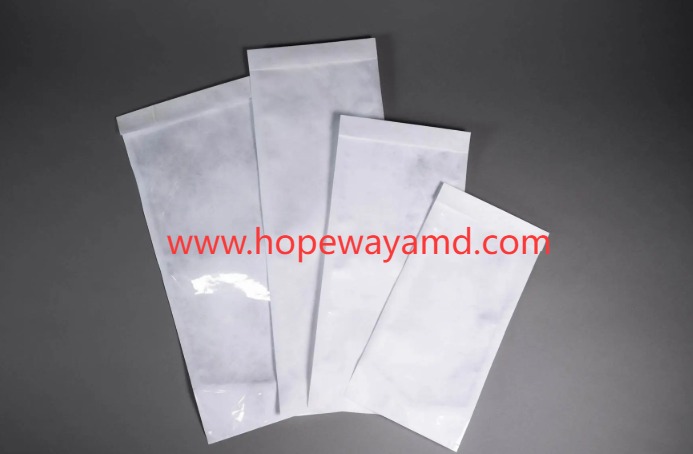 |
Heat Sealing Sterilization Pouch | Seller: Hopeway AMD | Heat Sealing Sterilization Pouch is designed for secure medical instrument packaging, supporting ... |
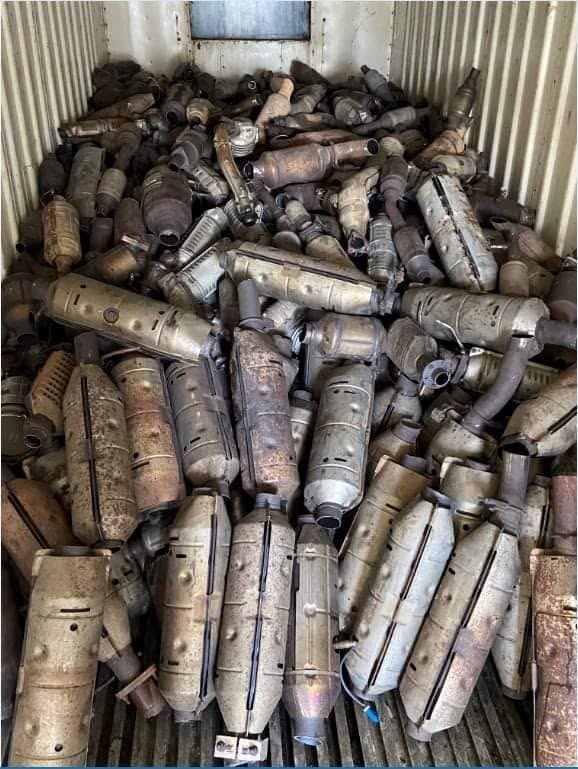 |
Catalytic Converter Scrap Supplier, Catalytic Converter Scrap for Sale, , Catalytic Converter Scrap, Catalytic Scrap for Sale, Catalytic Scrap Supplier, Scrap Catalytic Supplier | Seller: Trucont LLC | At Trucont LLC, we have ongoing Catalytic converter scrap available for immediate loading and shi... |
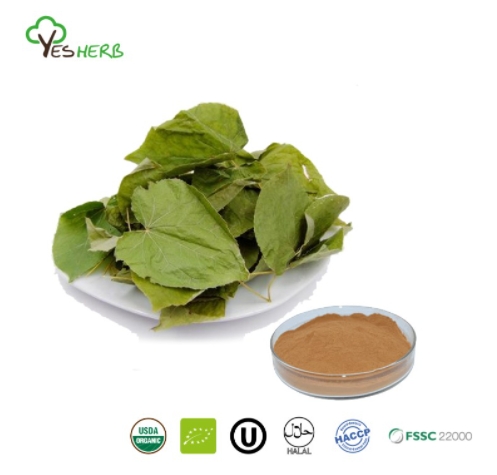 |
Epimedium Extract | Seller: Xi'an Yuensun Biological Technology Co., Ltd. | Product Name: Epimedium ExtractLatin Name: Epimedium Sagittatum Maxim.Specification: Icariin 5%, ... |
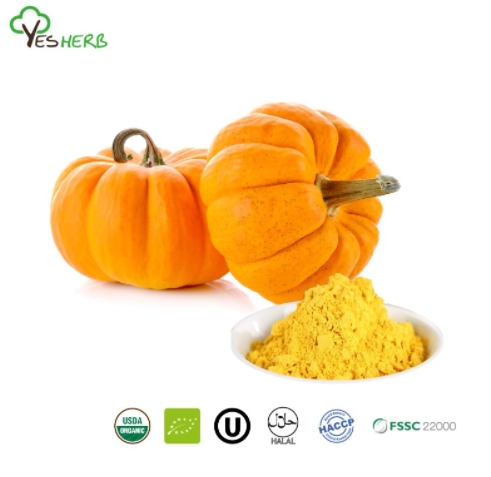 |
Pumpkin Powder | Seller: Xi'an Yuensun Biological Technology Co., Ltd. | Product Name: Pumpkin PowderLatin Name: Cucurbita pepo L.Used Part: FruitAppearance: yellow fine ... |
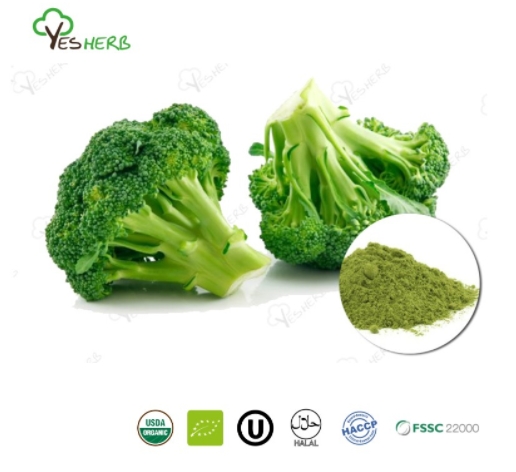 |
Broccoli Powder | Seller: Xi'an Yuensun Biological Technology Co., Ltd. | Product Name: Broccoli powder Latin Name: Brassica oleracea L.var.italic Planch. Used Part: Who... |

