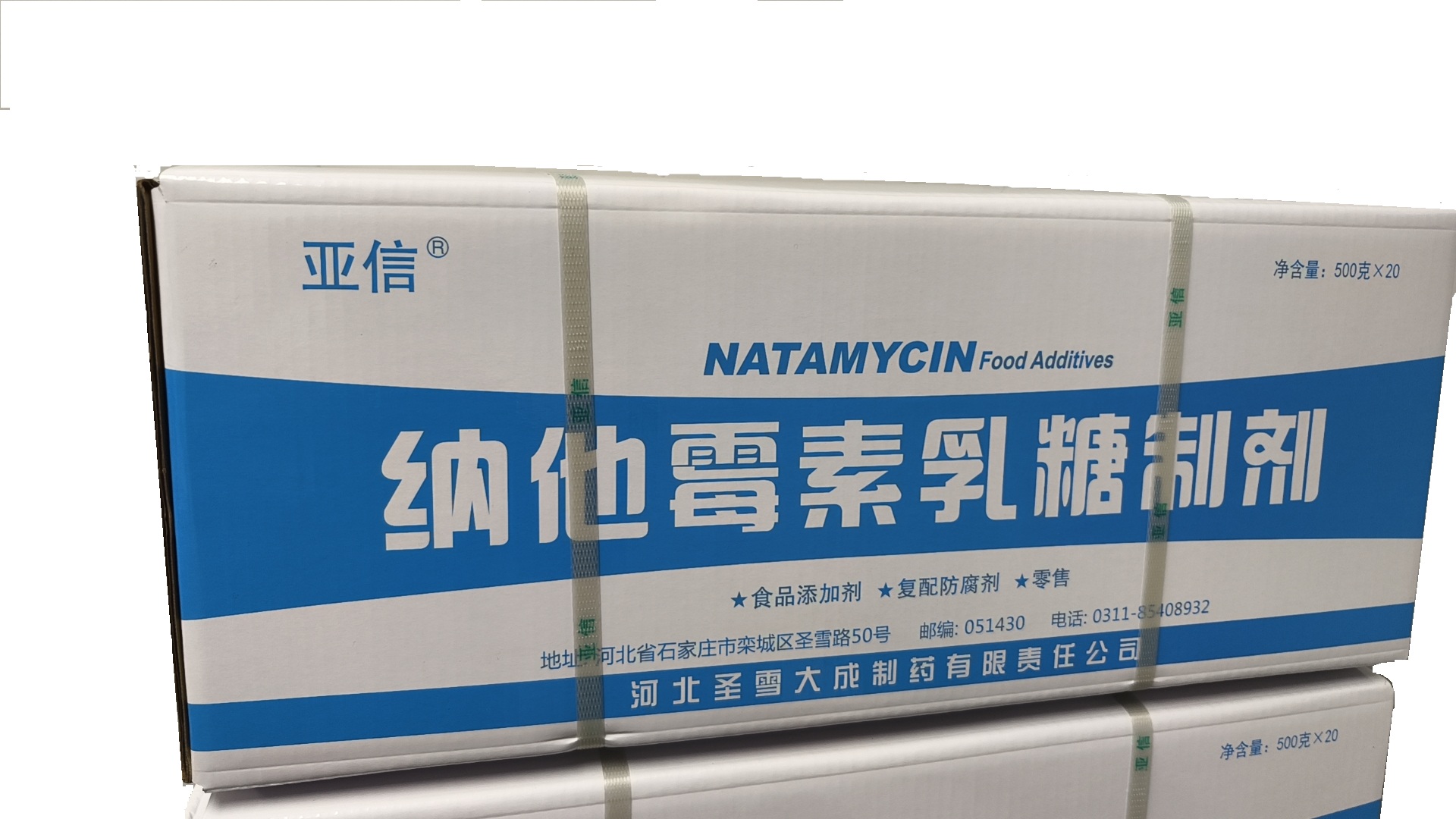
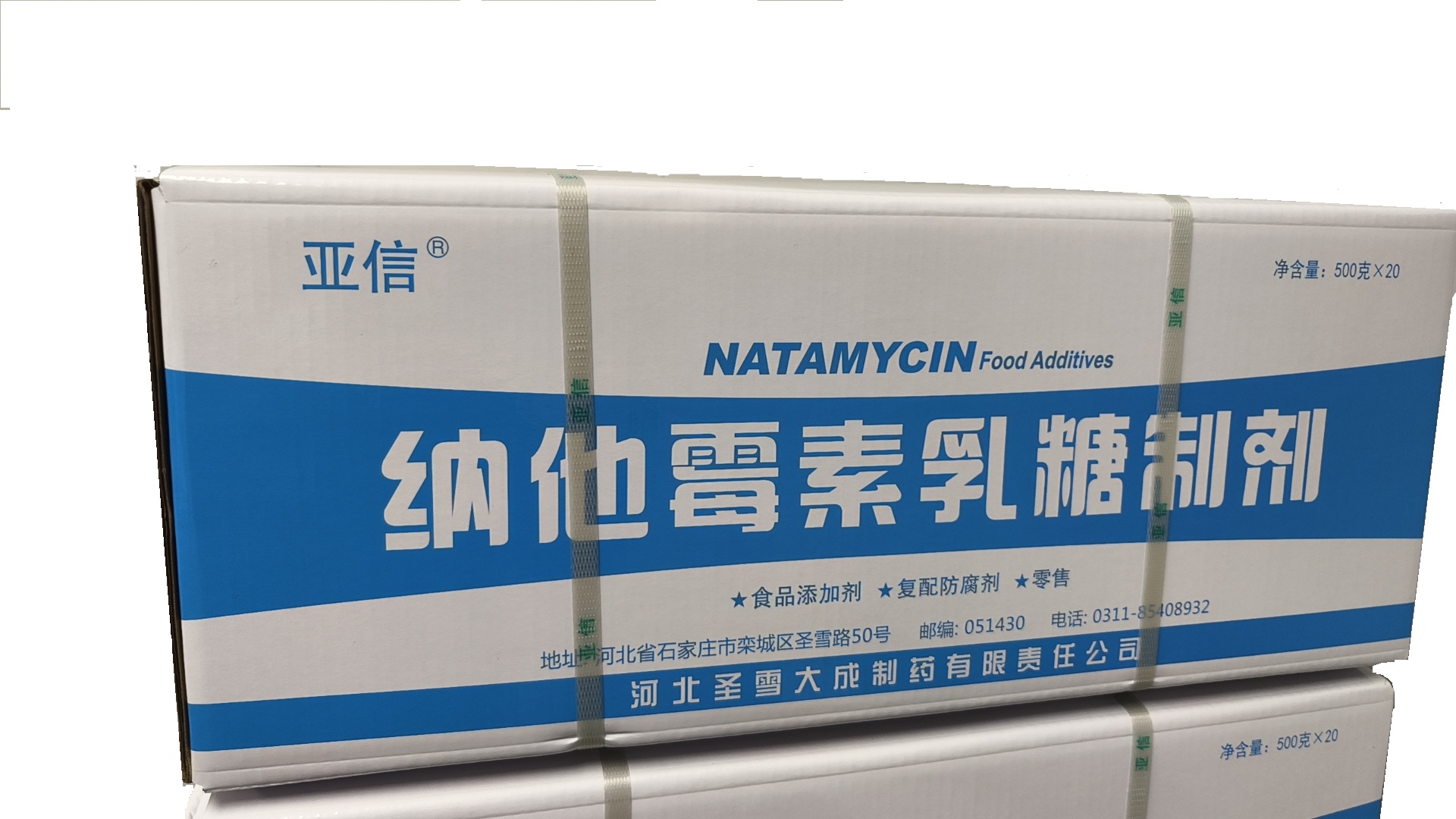
Natamycin Partners, long-term cooperation

Natamycin, as a natural antifungal compound, requires corresponding measures to be taken during transportation in accordance with its chemical properties and regulatory requirements to ensure safety and efficacy. The following is a detailed description of its transportation key points:
I. Packaging Requirements
Basic packaging materials
Solid powder: It is usually sealed in moisture-proof sealed bags (such as polyethylene bags) or aluminum foil bags to prevent moisture absorption or contamination.
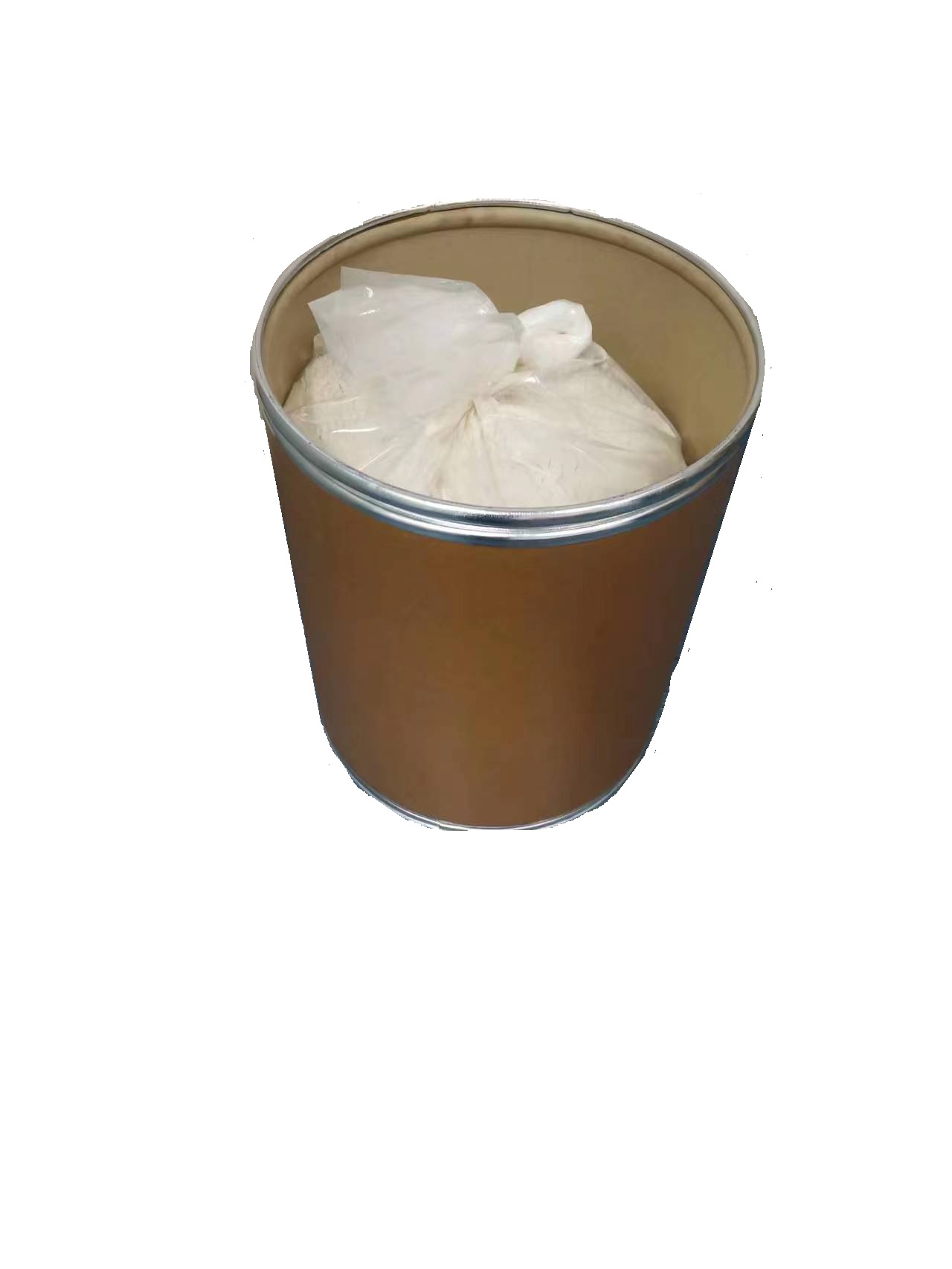
Industrial-grade products: Use cardboard drums or plastic drums (lined with food-grade plastic bags) to ensure the containers are strong and sealed to prevent powder leakage.
Liquid dosage forms (such as finished preparations) : They should be packed in glass bottles or food-grade plastic bottles. The bottle caps should be tightened and gaskets added to prevent leakage.
Labels and Identifiers
The outer packaging should clearly mark the product name, specification, batch number, production date, shelf life and other information.
Indicate the storage conditions (such as "Cool and dry place", "Store away from light") and warning signs (such as "Keep dry", "Handle with care").
If it is a food or pharmaceutical grade product, it must comply with the packaging and labeling requirements of the corresponding regulations (such as FDA, EFSA, Chinese GB, etc.).
Ii. Transportation Environment Control
Temperature and humidity
Temperature: Avoid high temperatures (It is recommended that the transportation temperature be ≤30℃), keep away from heat sources (such as engines and heaters), and prevent natamycin from degrading due to high temperatures (especially in acidic or alkaline environments, its stability decreases).
Humidity: Keep the transportation environment dry with a relative humidity of no more than 60% to prevent the packaging from getting damp, which may cause the product to clump or deteriorate.
Protect from light and ultraviolet rays
Natamycin is sensitive to ultraviolet light. During transportation, light-blocking packaging (such as dark cartons or covered with sun-protective cloth) should be used to avoid direct exposure to sunlight and prevent the decomposition and inactivation of the tetraene structure.
Shockproof and anti-squeezing
When handling, handle with care to avoid violent vibration or squeezing that may damage the packaging. If solid powder leaks, it may form dust. It is necessary to prevent inhalation or skin contact.
Iii. Compatibility and Isolation Requirements
Avoid mixed transportation of substances
Acidic and alkaline substances: Natamycin is prone to inactivation in extreme pH environments and should be transported separately from strong acids (such as hydrochloric acid, sulfuric acid) and strong bases (such as sodium hydroxide) to prevent reactions if the packaging is damaged.
Oxidants and reductants: Keep away from strong oxidants (such as potassium permanganate) or reductants (such as sulfites) to prevent REDOX reactions that may affect product stability.
Food, medicine and non-food grade items: If it is food or medicine grade natamycin, it must be transported separately and must not be mixed with toxic and harmful substances such as chemical raw materials and pesticides to prevent cross-contamination.
Cleanliness of transportation vehicles
Transport vehicles (such as trucks and containers) must be clean, dry and odorless, and avoid the contamination of products by residual grease, chemicals or microorganisms.
During cold chain transportation, it is necessary to ensure that the vehicle compartment is thoroughly disinfected to eliminate the risk of mold growth (although natamycin is an antifungal agent, contamination with other microorganisms may affect product quality).
Iv. Regulations and Safety Management
Regulatory compliance
Transportation of food additives/medicines: It is necessary to comply with the regulatory requirements of the destination country or region, such as China's "National Food Safety Standard - Food Additive Natamycin" (GB 1886.30-2020), EU EC No 1333/2008, etc.
International transportation If it involves import and export, MSDS (Material Safety Data Sheet), inspection and quarantine certificates (such as FDA certification, COA analysis report) need to be provided, and declaration should be made in accordance with the International Maritime Dangerous Goods Code (IMDG Code) or the International Air Dangerous Goods Code (IATA DGR). (Natamycin is usually not classified as a dangerous good.) But the specific classification needs to be confirmed.
Personnel protection
The handlers should wear gloves and masks to avoid direct contact with the powder or liquid, and prevent inhalation or skin contact that may cause irritation (although it is of low toxicity, high concentration contact may cause discomfort).
In case of leakage, it should be immediately adsorbed with dry sand or inert materials. Do not rinse with water (it has low water solubility but may spread and contaminate), and ventilation should be carried out in time.
V. Transportation Suggestions for Special Scenarios
Long-distance transportation
Sealed container transportation is adopted to ensure controllable temperature and humidity. The integrity of the packaging is regularly inspected (such as once every 12 hours).
In high-temperature areas during summer, refrigerated trucks can be used (with the temperature controlled between 10 and 25 degrees Celsius). In winter, it is necessary to prevent freezing at low temperatures (for liquid formulations, special attention should be paid to anti-freezing).
Cross-border cold chain transportation
If transporting liquids or temperature-sensitive preparations, temperature-controlled containers should be used to record the temperature and humidity data throughout the transportation process (which can be monitored in real time through the GPS tracking system) to ensure compliance with cold chain logistics standards.
Summary
The core of natamycin transportation lies in moisture-proofing, avoiding light, temperature control, and strictly adhering to the regulatory requirements for food/drug transportation. By standardizing packaging, isolating incompatible substances and monitoring the transportation environment, product quality can be guaranteed to the greatest extent, and the risk of activity reduction or contamination caused by improper transportation can be avoided.
Other supplier products
|
|
High quality Natamycin |
New products coming soon! Welcome to inquire and book! Agriculture ·Occasionally used to protect crops from fungal infections post-harvest (... |
|
|
Tilmicosin Premix 500g Market Price |
Tilmicosin premix is a veterinary medication that is used to treat and prevent respiratory infections in livestock. The medication is a broad-spect... |
|
|
Natamycin Market quotation |
The action mechanism of natamycin is mainly through the specific binding with ergosterol on the fungal cell membrane, destroying the structure and ... |
|
|
Wholesale Nisin Powder 25KG |
Advantages of Nisin in Food Applications Natural Origin: Derived from bacteria, it aligns with consumer demand for "clean label" ingredients, avoid... |
|
|
ε-Polylysine hydrochloride Food additive |
ε-Polylysine hydrochloride is a naturally occurring antimicrobial peptide that is commonly used as a food preservative. It is a polymer of ... |
All supplier products
Same products