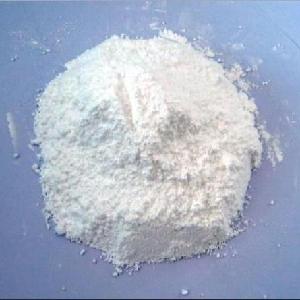
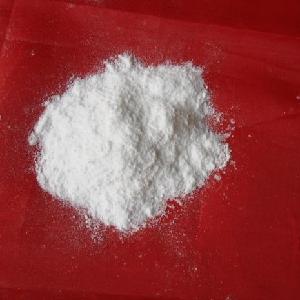
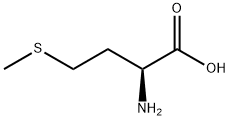
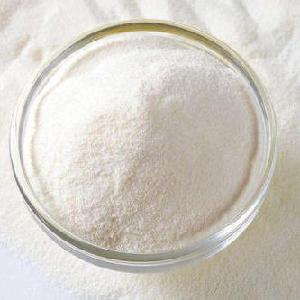
L-Cysteine hydrochloride monohydrate 7048-04-6

L-Cysteine hydrochloride monohydrate is a chemically modified form of the amino acid L-cysteine, widely used in various industries for its unique properties. 1. Food and Beverage IndustryAntioxidant and Preservative:Prevents oxidation in baked goods (e.g., bread, cakes) to extend shelf life and improve texture by reducing disulfide bonds in gluten, making dough more elastic. Used in meat products (e.g., sausages) to prevent rancidity and maintain color. Nutritional Supplement:Added to fortified foods, energy drinks, and baby formulas as a source of cysteine, which is essential for glutathione synthesis (a key antioxidant in the body). Flavor Modifier:Enhances umami taste in seasonings and contributes to the aroma of cooked foods (e.g., bouillon cubes) due to its thiol group reactions during heating. 2. Pharmaceutical and NutraceuticalsMedicinal Uses:Treats acetaminophen overdose by replenishing glutathione stores in the liver. Used in mucolytic medications to break down mucus in respiratory diseases (e.g., cystic fibrosis, bronchitis). Dietary Supplements:Sold as a supplement for skin health, hair growth, and immune support (due to its role in glutathione production). 3. Cosmetics and Personal CareSkin Care Ingredients:Added to creams, serums, and masks as an antioxidant to fight free radicals, reduce pigmentation, and promote skin elasticity. Hair Products:Used in permanent wave solutions (hair waving) to break disulfide bonds in keratin, allowing reshaping of hair structure. 4. Chemical and Industrial ApplicationsChemical Synthesis:Serves as a building block for synthesizing other compounds (e.g., pharmaceuticals, peptides, and thiol-containing reagents). Electroplating:Acts as a brightening agent in nickel and chromium electroplating baths to improve surface finish. Biochemical Research:Used in cell culture media, enzyme assays, and as a reducing agent to maintain thiol groups in their reduced state. Safety and HandlingToxicity: Generally recognized as safe (GRAS) by the FDA when used in food applications within approved limits. However, direct contact with skin or eyes may cause irritation. Storage: Store in a cool, dry place away from light and moisture. The hygroscopic nature of the monohydrate form requires airtight packaging to prevent clumping. Regulations: Complies with food additive standards (e.g., FCC, JP, EP) and pharmaceutical grades must meet GMP requirements. L-Cysteine hydrochloride monohydrate’s versatility stems from its stable thiol group and water solubility, making it a valuable ingredient in numerous industrial and consumer products. Its role in antioxidant defense and protein structure modification highlights its importance in both biological and chemical contexts.
Other supplier products
|
|
L-Phenylalanine Supplier |
L-Phenylalanine is an essential amino acid that plays a critical role in protein synthesis and the production of important compounds in the body, i... |
|
|
DL-methionine Partners, long-term Cooperation |
The methylthio group is the most distinctive functional group in DL-methionine and can participate in substitution and addition reactions. Alkylati... |
|
|
L-Threonine Wholesale Price |
Physical Properties of L-Threonine Molecular Formula C₄H₉NO₃ (molecular weight: 119.12 g/mol). Appearance and State White to off-white crystalline ... |
|
|
Inositol 87-89-8 |
Inositol, also known as myo-inositol, is a six‑hydroxy cyclohexane derivative, traditionally classified as vitamin B8. It is a water‑soluble, vitam... |
|
|
The Quality Grade of Inositol |
Inositol is classified into four mainstream quality grades according to purity, impurity control, production specifications and applicable fields, ... |
All supplier products
Same products