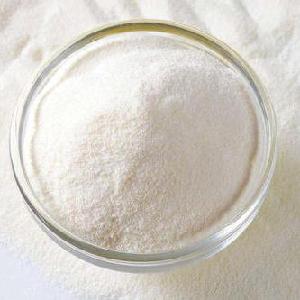
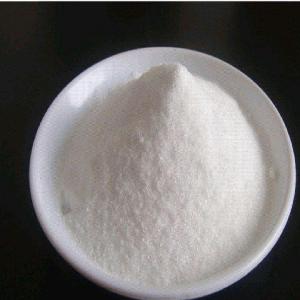
Bulk supply L-Threonine

Chemical Properties of L-Threonine Amino Acid Structure Contains an amino group (-NH₂), a carboxyl group (-COOH), and a hydroxyl-containing side chain (CHOH-CH₃), making it a polar, uncharged amino acid. The side chain has a chiral center, classifying L-threonine as one of the two amino acids with two chiral centers (the other is isoleucine). Acid-Base Behavior Acts as an amphoteric compound, forming zwitterions in solution: Protonated form at low pH: +H₃N-CH(CHOH-CH₃)-COOH Zwitterionic form at neutral pH: +H₃N-CH(CHOH-CH₃)-COO⁻ Deprotonated form at high pH: H₂N-CH(CHOH-CH₃)-COO⁻ pKa values: α-COOH: ~2.09 α-NH₃⁺: ~9.10 Side chain (hydroxyl): no dissociable proton, so pKa is not applicable. Peptide Bond Formation Forms peptide bonds with other amino acids via condensation reactions, crucial for protein synthesis. For example, it can link to adjacent amino acids through its amino and carboxyl groups. Reactions with Reagents Ninhydrin Reaction: Produces a purple color when heated with ninhydrin, a common method for amino acid detection. Acylation and Alkylation: The amino and carboxyl groups can be modified by acylating agents (e.g., acetyl chloride) or alkylating agents (e.g., iodomethane). Oxidation: The hydroxyl group in the side chain can be oxidized under strong conditions, though this is less common in biological systems.
Other supplier products
|
|
High purity Sucralose |
Thermal properties of SucraloseMelting point / Decomposition point: Approximately 125°C (decomposition temperature), some testing methods give ... |
|
|
L-Threonine Purchase price |
As an amphoteric compound, L-threonine can buffer pH changes in acidic or alkaline food systems: Used in beverages (e.g., sports drinks, fruit juic... |
|
|
Sucralose powder Food additive |
Sucralose, as a new generation of high-sweetness sweetener, has demonstrated comprehensive and outstanding application advantages in the fields of ... |
|
|
L-Threonine Raw Material |
L-Threonine is generally recognized as safe (GRAS) by regulatory bodies like the FDA when used in food at typical fortification levels. Its use mus... |
|
|
L-Lysine monohydrochloride |
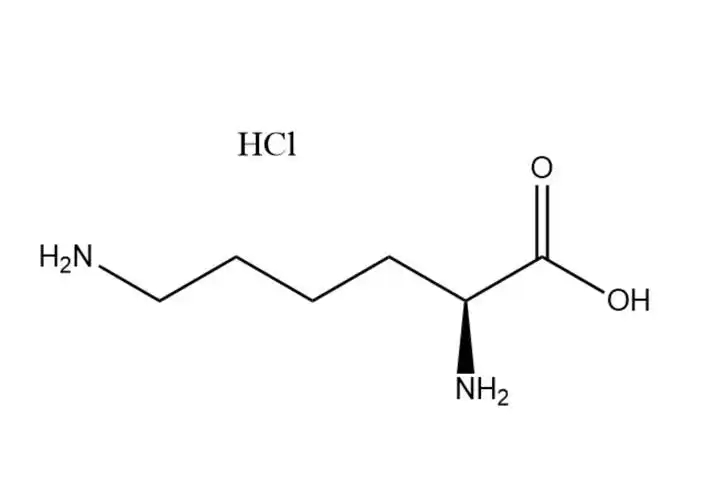
L-Lysine monohydrochloride (molecular formula: C6H14N2O2⋅HCl, CAS No.: 657-27-2) is the hydrochloride salt form of L-lysine—an essen... |
All supplier products
Same products