


Glycyl-glycyl-glycine Partners, long-term cooperation


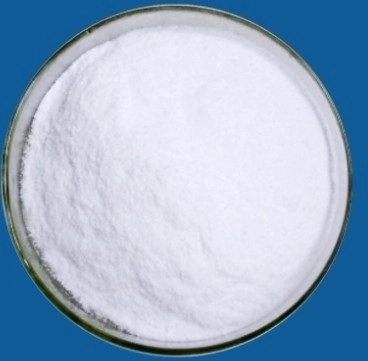
Glycyl-glycyl-glycine helps improve the texture and stability of food
Meat product processing
Application scenarios: ham sausages, sausages, braised meat products, meatballs.
Function:
Water retention and tenderness improvement: The hydrophilic groups (amino and carboxyl groups) of triglycine can bind to actin in meat, increasing the water retention rate. For instance, adding 0.3-0.5g/kg to sausages can reduce the cooking loss rate of the product from 15% to below 10%, while also reducing fat extraction.
Antioxidant synergistic effect: When combined with vitamin E (0.2g/kg triglycine + 0.1g/kg vitamin E), it can inhibit lipid oxidation in meat products and extend their shelf life (for example, the acid value increase rate of cured meat is reduced by 30%).
Case: A certain brand of frozen meatballs has solved the problem of meat hardening during the freezing and thawing process by adding triglycine, significantly improving the elasticity and juiciness of the product.
Beverages and jelly foods
Application scenarios: Protein drinks (such as soy milk, walnut milk), fruit juice drinks, jelly, pudding.
Function:
Anti-sedimentation effect: In protein beverages, triglycine can act as a colloid protectant, preventing protein particle aggregation through charge repulsion and steric hindrance effects. For instance, adding 0.1-0.15g/kg to soy milk can ensure that the product remains uniform even after being stored for three months without any stratification.
Taste improvement: Adding 0.05-0.1g/kg to the jelly can increase the viscosity and smoothness of the system, avoiding the "hard and crispy" texture of traditional jelly.
Case: A certain brand of compound fruit juice drink contained pulp particles that were prone to sedimentation. After adding triglycine, the amount of sedimentation was reduced by more than 50%, and the taste became smoother.
Send product request
Other supplier products
 |
N-Acetyl-L-Tryptophan Powder Manufacturer | N‑Acetyl‑L‑Tryptophan as Technical & Quality Specifications (Food Grade) Purity: ≥98% (food grade); ≥99% (pharma/functional food grade). ... |
 |
L-Alanyl-L-Tyrosine Supplier | L-Alanyl-L-Tyrosine is formed by the connection of L-alanine and L-tyrosine through peptide bonds. In living organisms, amino acids are linked thro... |
 |
N-Acetyl-DL-Tryptophan in Chemical synthesis intermediates | N-Acetyl-DL-Tryptophan acts as an important and high-value chemical synthesis intermediate in fine chemistry and biochemical industry. Its molecula... |
 |
Glycyl-glycyl-glycine 556-33-2 | The chemical formula of glycyl-glycyl-glycine (triglycine) is C₆H₁₂N₃O₄. This tripeptide is composed of three glycine residues linked by peptide bo... |
 |
L-Cystine dihydrochloride Marke quotation | L-Cystine dihydrochloride in Cell Culture & Biomanufacturing Industry Essential additive in cell culture media Promotes cell growth, protein fo... |
Same products
 |
Tween 80 Emulsifier | Seller: VETTER Technology Co., Ltd | Chemical Name:Polysorbate 80/Polyoxyethylene (20) Sorbitan Monooleate Chemical Formula:C₆₄H₁₂₄O₂... |
 |
Span 85 Emulsifier | Seller: VETTER Technology Co., Ltd | Span 85 emulsifierchemically known as Sorbitan Oleate, is a low-HLB, oil-soluble nonionic su... |
 |
Span 80 Emulsifier | Seller: VETTER Technology Co., Ltd | Chemical Name:Sorbitan Monooleate Emulsifier System; Mixture of Emulsifier, Co-Emulsifier, and Em... |
 |
three jaw chuck | Seller: Drake precision technology (changzhou) Co.,Ltd. | three jaw chuck Product Feature: This series of chuck comes with built-in cylinder struct... |
 |
PVC cazn stabiliizer for pipe GX-401 | Seller: Shenzhou Lianfu Plastic-Rubber Tech. Co., Ltd | GX-401PVC Cazn stabilizeris a composite calcium-zinc stabilizer synthesized by our company using ... |

