Storage Stability of Nisin
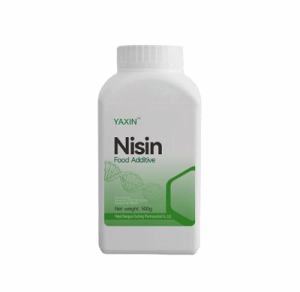
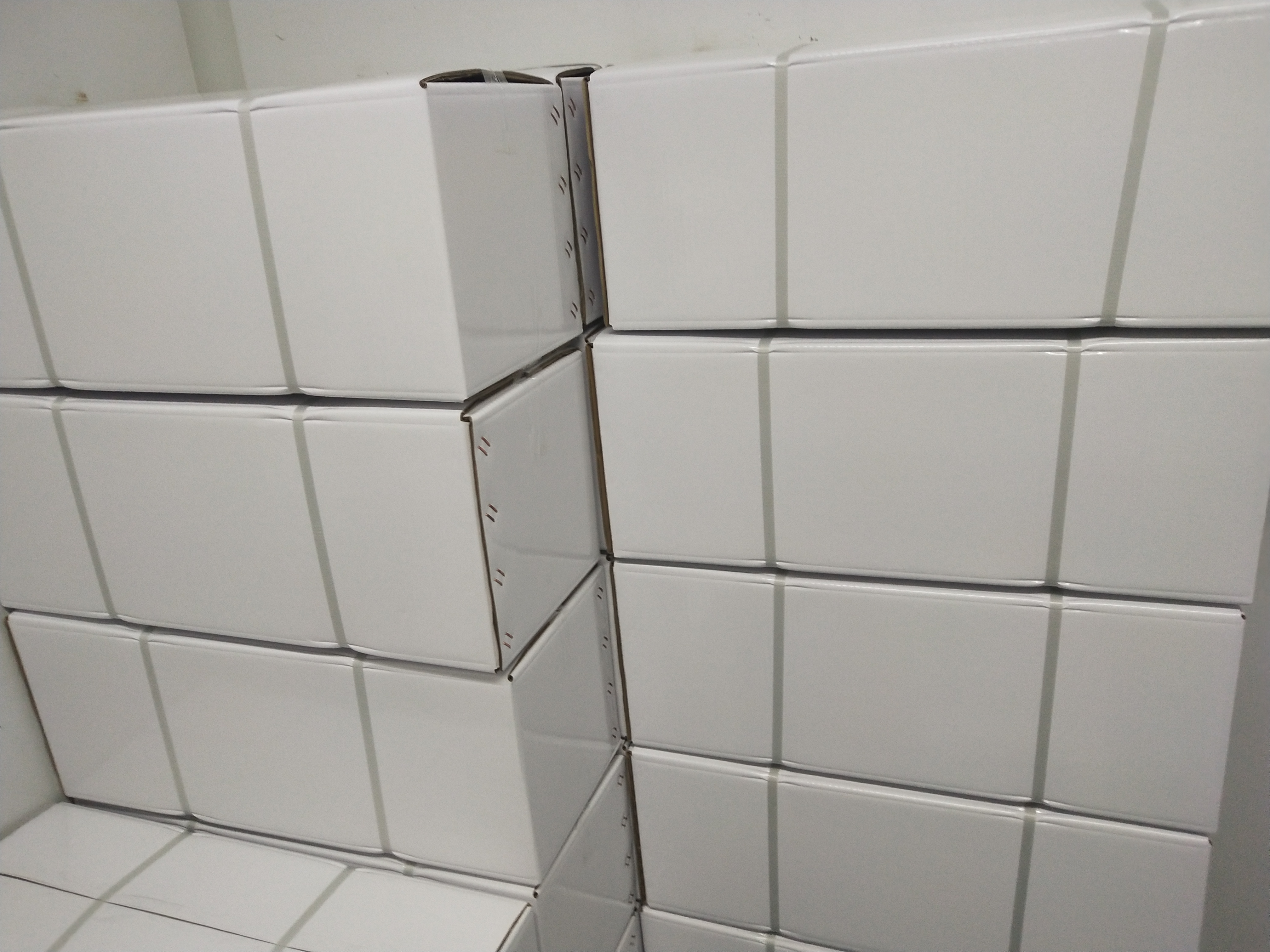
Nisin, a natural antimicrobial peptide derived from Lactococcus lactis, is widely recognized for its high safety and functional stability in food preservation. Its stability is regulated by environmental factors such as pH, temperature, and food matrix composition, while its usage safety is supported by extensive toxicological studies and global regulatory approvals. Storage Stability of Nisin Dry powdered Nisin (purity ≥90%) is highly stable when stored in sealed, light-resistant containers at <25℃ and relative humidity <60%, with a shelf life of 2–3 years. Aqueous solutions (10–100 mg/mL) are less stable, retaining activity for 1–2 weeks at 4℃ (with 0.01% sodium azide as a preservative) and only 2–3 days at room temperature. Therefore, aqueous Nisin solutions should be prepared fresh, and bulk dry powder should be aliquoted to avoid moisture absorption and repeated freeze-thaw cycles.
Other supplier products
|
|
Nisin Powder Price 1kg |
Poor stability in certain environments (e.g., neutral pH, high-fat matrices) can be addressed via modification technologies, which improve stabilit... |
|
|
Nisin Supplier |
Nisin exhibits outstanding performance in food preservation due to its potent antimicrobial properties, which make it effective against a broad spe... |
|
|
Nisin as a GRAS substance |
As a GRAS (Generally Recognized as Safe) substance, Nisin is non-toxic, non-residue, and metabolized into amino acids in the human body. Its use a... |
|
|
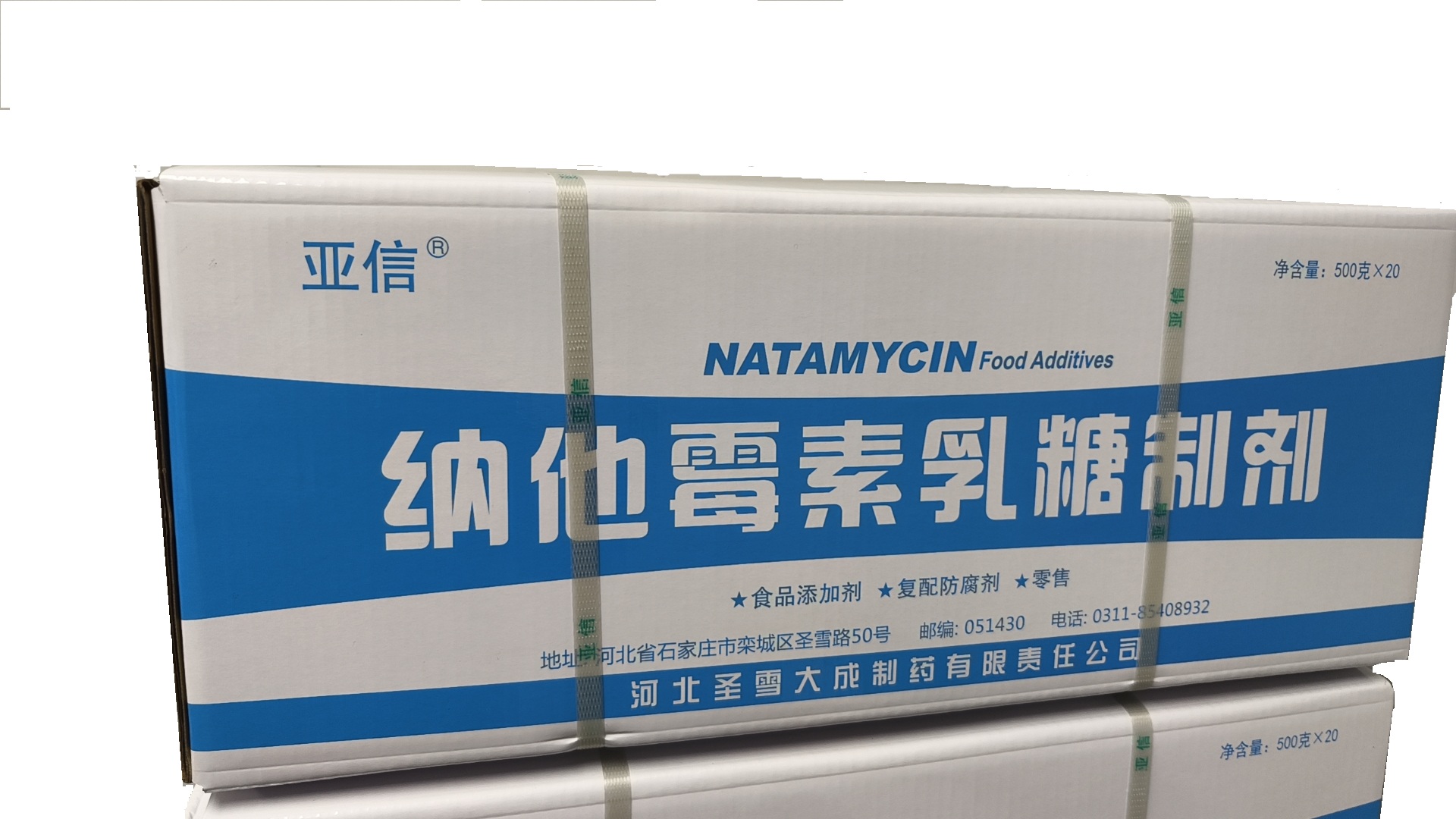
Natamycin In cartons |
Applications ·Food Preservation: Natamycin is used as a preservative in the food industry to extend shelf life. It can prevent mold and spoi... |
|
|
Natamycin Supplier |
Natamycin differs from other food preservatives in terms of safety: Natamycin: very low acute toxicity, no genotoxicity, no adverse effects on the ... |
All supplier products
Same products