

Refined Fischer Tropsch wax for hot melt adhesive

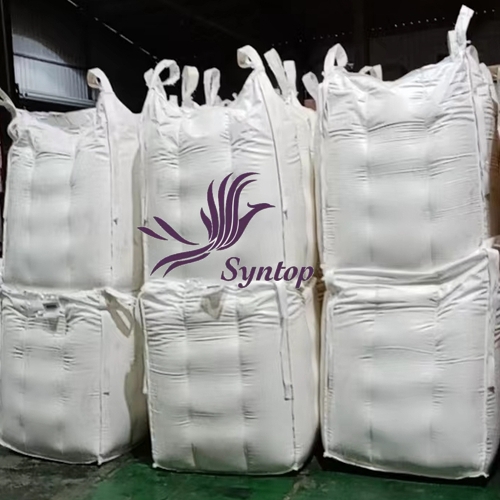
Specific Advantages in Hot-Melt Adhesive Applications
Adjustability:
Fischer-Tropsch wax effectively modulates the initial gelation temperature and curing time of hot-melt adhesives, enhancing their plasticity and tensile properties.
Low Viscosity and High Melting Point Advantages:
Low-viscosity, high-melting-point Fischer-Tropsch wax also reduces the viscosity of polymers and resins, facilitating efficient resin blending and smooth hot melt adhesive pumping while maintaining appropriate surface wetting of polymers and resins.
Food Contact Safety:
Refined Fischer-Tropsch wax is contamination-free and odorless, making it suitable for hot melt adhesive applications requiring compliance with food contact standards. Its elevated melting point confers superior heat resistance to the adhesive. Low penetration enhances the adhesive's strength. The narrow carbon distribution range shortens open time and reduces curing time. The wax's stability ensures no migration or leaching, further optimizing hot melt adhesive performance.
在线联系供应商
Other supplier products
 |
aqueous coating additive specialized for high grade inks | MicroF_W168 is a water-based micronized polyethylene homopolymer. The average particle size of MicroF_W168 is between 5.5 and 6.0 microns, and the... |
 |
Pure Polyphenylene Oxide PPO Powder 035 040 045 | PPO Powder is a medium-high molecular weight polymer based on Polyphenylene Ether (PPE). This material is intended for use as an additive or a buil... |
 |
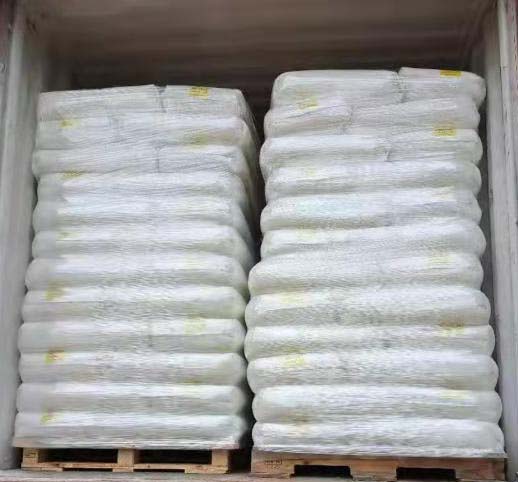
Micronized wax for packaging materials | Applications of micronized wax in packaging materials primarily include: Surface treatment and abrasion resistance: When incorporated into c... |
 |
Ope wax for plastic modification | Oxidized polyethylene wax is a modified material produced through an oxidation process applied to polyethylene wax, primarily used to enhance plast... |
 |
Micronized wax used for plastic,coating | The Key Role of Micropowder Wax in Plastics Processing Improving processing performance: Acting as an internal and external lubricant during extru... |
Same products
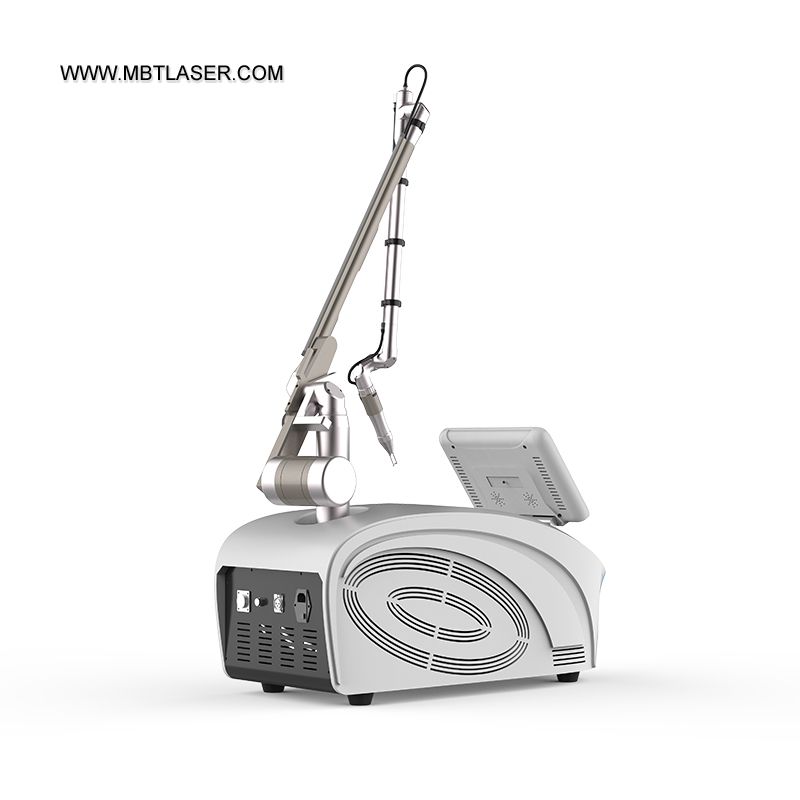 |
Co2 Fractional Laser divides | 卖方: Beijing Mega Beauty Technology Co.,Ltd | Co2 Fractional Laser divides the laser beam into multiple, smaller beams spaced regularly to... |
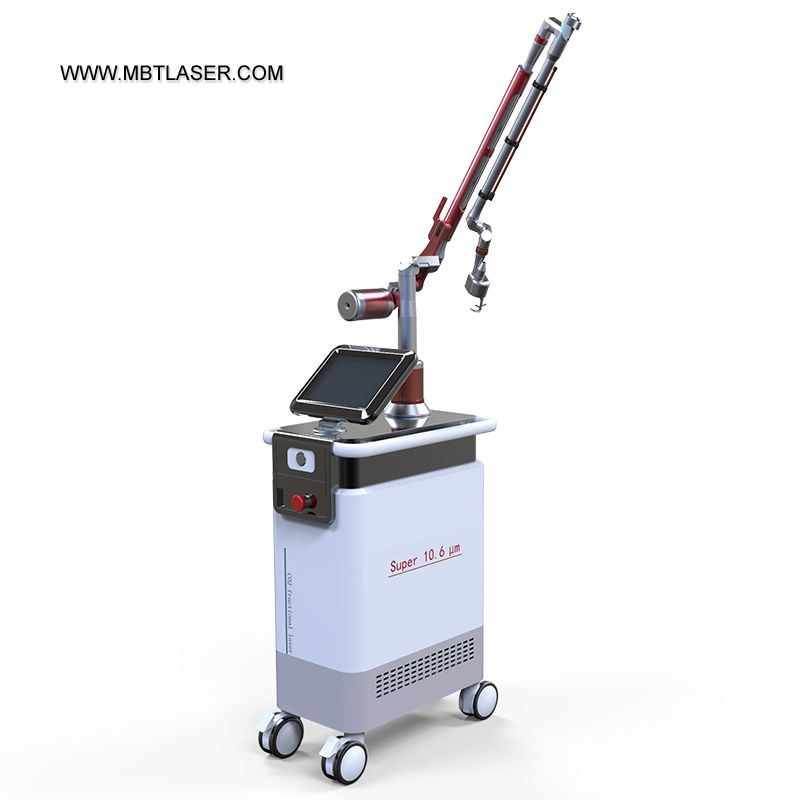 |
Fractional CO2 Laser Skin Resurface | 卖方: Beijing Mega Beauty Technology Co.,Ltd | Fractional CO2 Laser Skin Resurface Fractional CO2 Laser Skin Resurface Model: MBT-Co2 is ... |
 |
Medical Aesthetic Devices | 卖方: Beijing Mega Beauty Technology Co.,Ltd | Medical Aesthetic Devices Medical Aesthetic Devices is a leading Medical Aesthetic Device... |
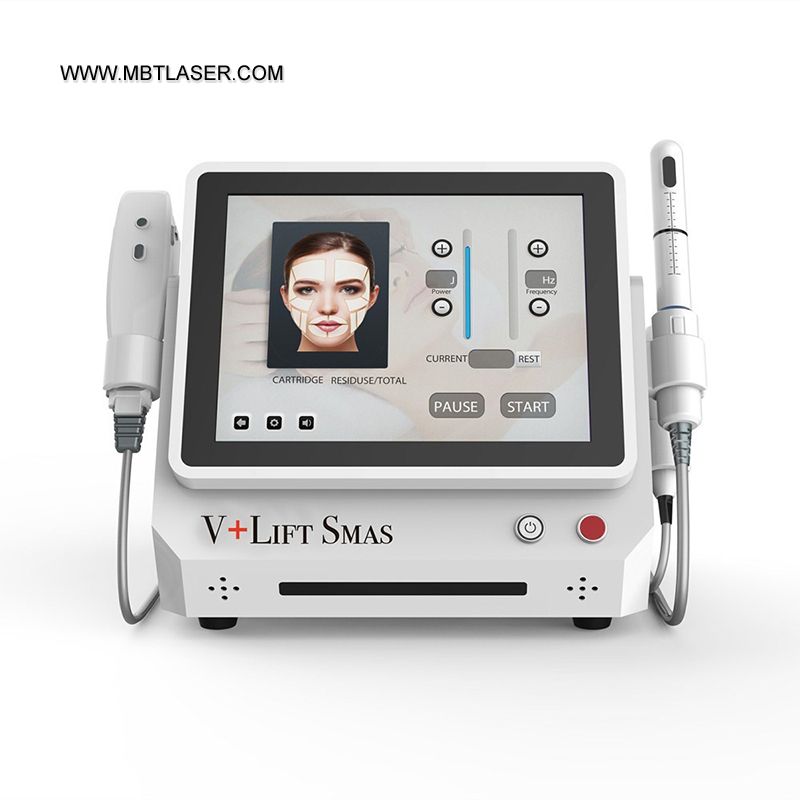 |
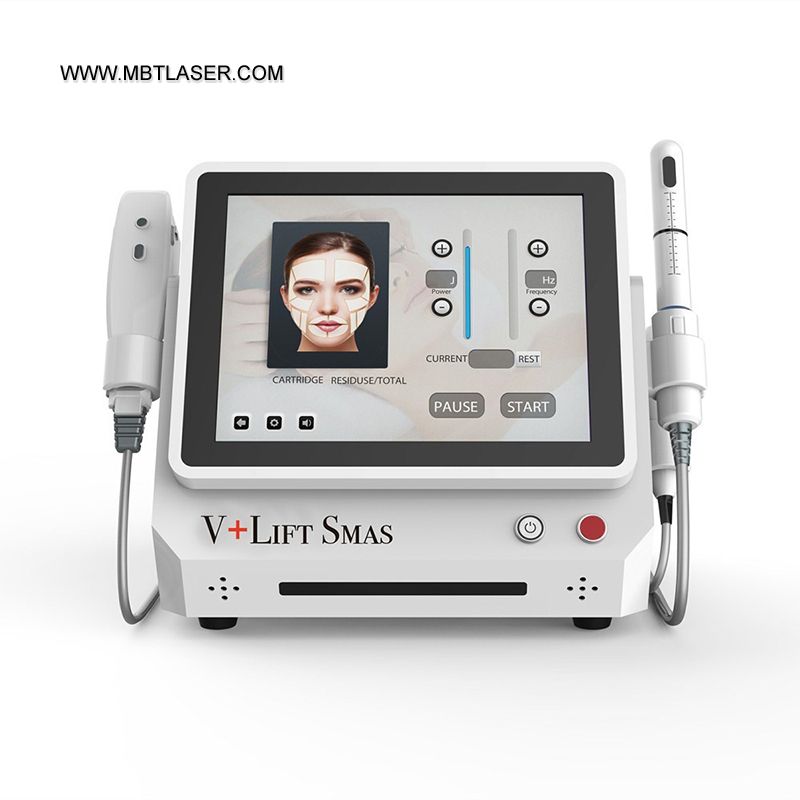
HIFU SMAS Lifting | 卖方: Beijing Mega Beauty Technology Co.,Ltd | HIFU SMAS Lifting , the newest non-surgical method of skin lifting for the face and body. On... |
 |
Body Slimming Machine | 卖方: Beijing Mega Beauty Technology Co.,Ltd | Body Slimming Machine MBT-Laser Body Slimming Machine Use cutting-edge technology to sl... |

