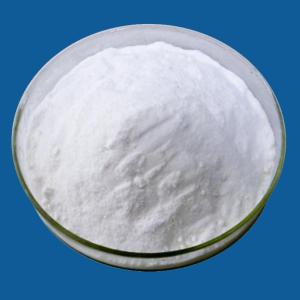
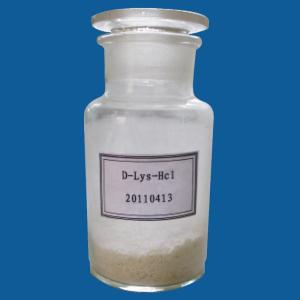
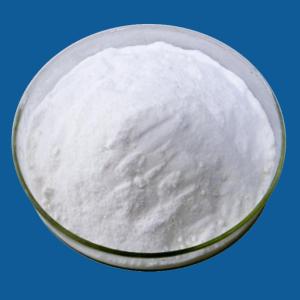
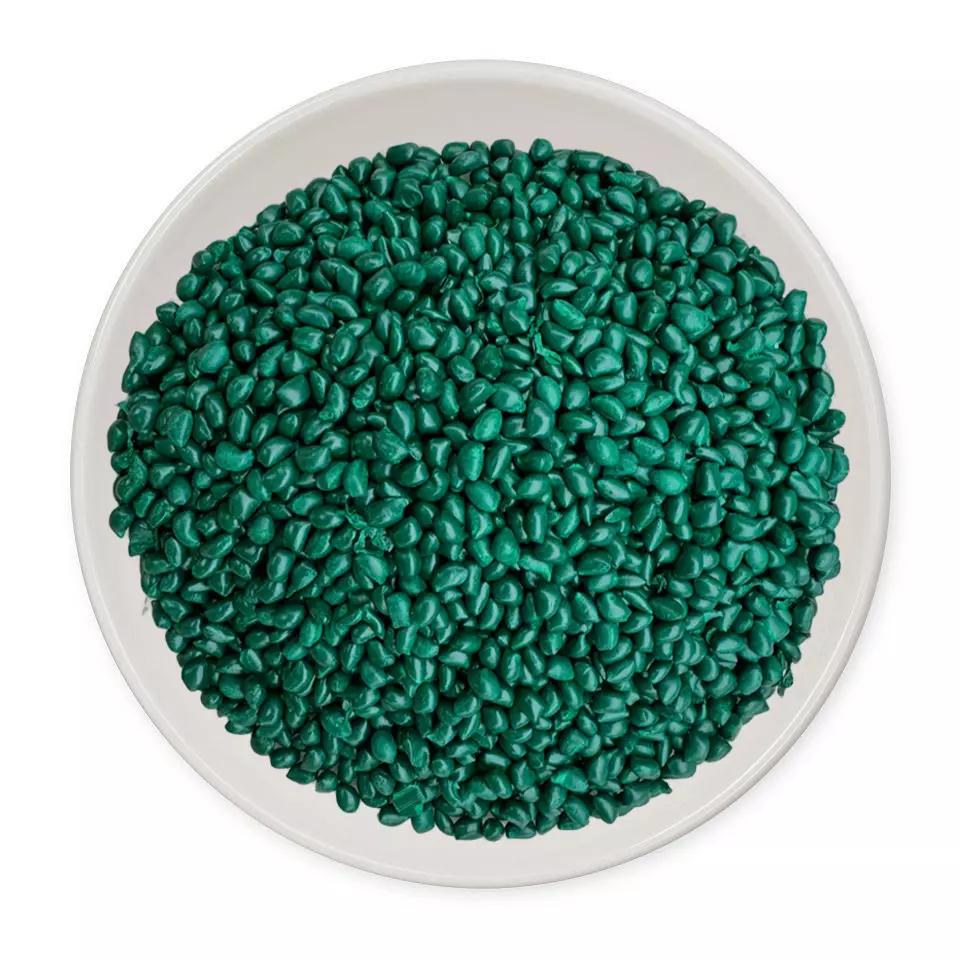
Phospho-L-Tyrosine Disodium Salt
Biological Significance and Mechanisms of Phospho-L-Tyrosine Disodium Salt Key Role in Signal Transduction: As a core component of protein phosphorylation/dephosphorylation cycles, phospho-L-tyrosine mediates intracellular signaling pathways (e.g., tyrosine kinase pathways). It functions as a "molecular switch" by regulating the activity of target proteins (e.g., receptors, enzymes, transcription factors) through reversible phosphorylation of tyrosine residues. Biological Functions: Involved in cell proliferation, differentiation, adhesion, and apoptosis; critical for immune response, tissue repair, and metabolic regulation. Abnormal tyrosine phosphorylation is associated with diseases such as cancer (e.g., overactivation of EGFR tyrosine kinase), autoimmune disorders, and neurodegenerative diseases.
Other supplier products
|
|
Cystine Disodium Salt |
The ionic form of Cystine Disodium Salt contributes to its excellent biocompatibility, making it suitable for in vivo applications.
Weakly alk... |
|
|
Phospho-L-Tyrosine Disodium Salt |
Phospho-L-Tyrosine Disodium Salt (molecular formula: C₉H₉NNa₂O₆P; molecular weight: 307.13) is the disodium salt form of phospho-L-tyrosine, an imp... |
|
|
Glycylglycine |
Glycylglycine (GG) is a simple dipeptide consisting of two glycine amino acids linked by a peptide bond. Glycine, being the smallest amino acid, is... |
|
|
DL-tryptophan |
Transportation Points Temperature Control During transportation, avoid extreme temperature fluctuations. Use insulated packaging or refrigerated tr... |
|
|
L-Cystine dihydrochloride |
L-Cystine dihydrochloride in Cosmetics & Personal Care IndustrySkin conditioning and anti-aging ingredientPromotes collagen synthesis, reduces ... |
供应产品
Same products