

Cystine Disodium Salt

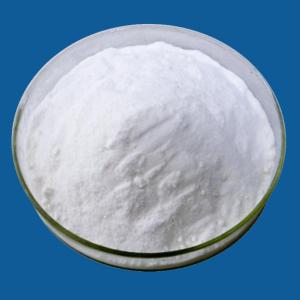
Cystine Disodium Salt is used as a standard reference material in biochemical analysis due to its high purity and stable chemical properties:
- It is employed in the calibration of amino acid analyzers and HPLC systems for the quantitative detection of cystine in biological samples (e.g., blood, urine, food).
- It serves as a substrate in enzyme activity assays, such as measuring the activity of disulfide isomerases and cysteine proteases, by monitoring the cleavage or formation of disulfide bonds.
在线联系供应商
Other supplier products
 |
N-Acetyl-L-Tryptophan Supplier | |
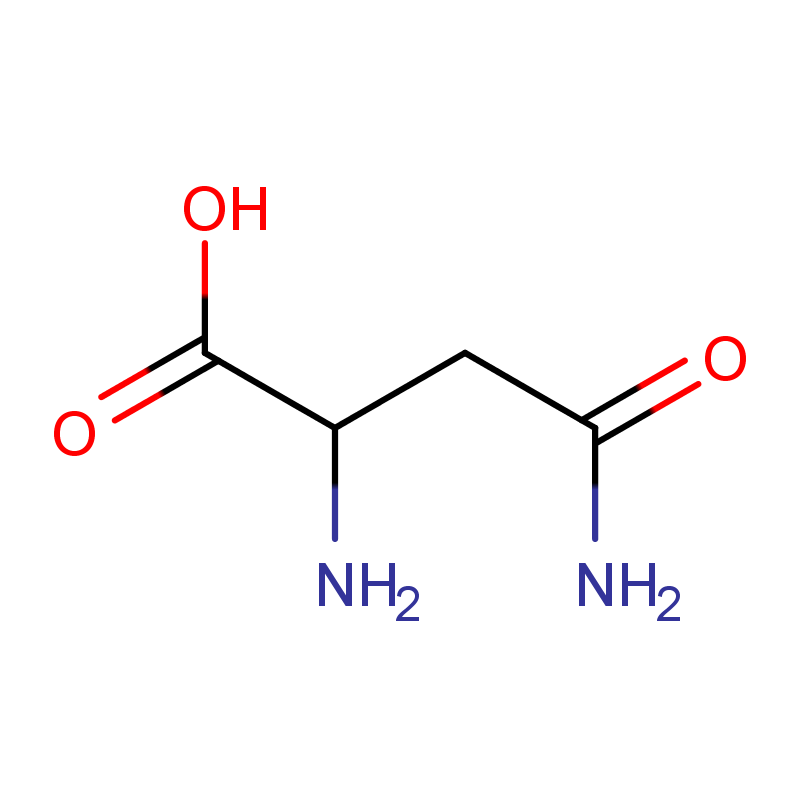 |
L-Aspartic acid monosodium salt monohydrate | L-Aspartic acid monosodium salt monohydrate (chemical formula: C₄H₆NNaO₄·H₂O), commonly designated as food additive E631 in the European Uni... |
 |
Supply Phospho-L-Tyrosine Disodium Salt powder | Transportation Precautions of Phospho-L-Tyrosine Disodium SaltControl temperature during transportation: ship dry powder in an insulated container ... |
 |
Biological Activity of N-Acetyl-DL-Tryptophan | Biological Activity of N-Acetyl-DL-Tryptophan 1. Stable tryptophan supplementation activity As a derivatized form of tryptophan, it can be slowly m... |
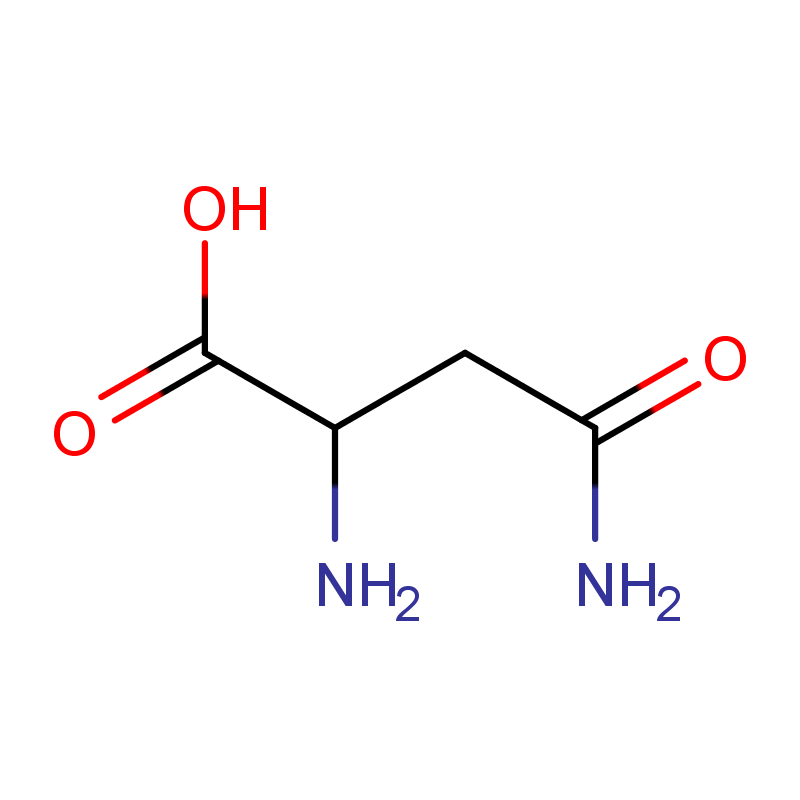 |
L-Aspartic acid monosodium salt monohydrate | This is the most widespread application of L-Aspartic acid monosodium salt monohydrate. It acts as a flavor enhancer and taste balancer, working a... |
Same products
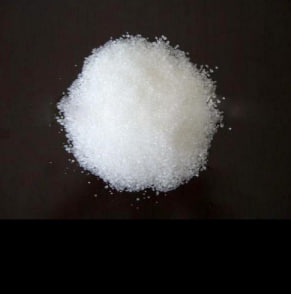 |
Procaine | 卖方: 862043 | CAS:59-46-1 |
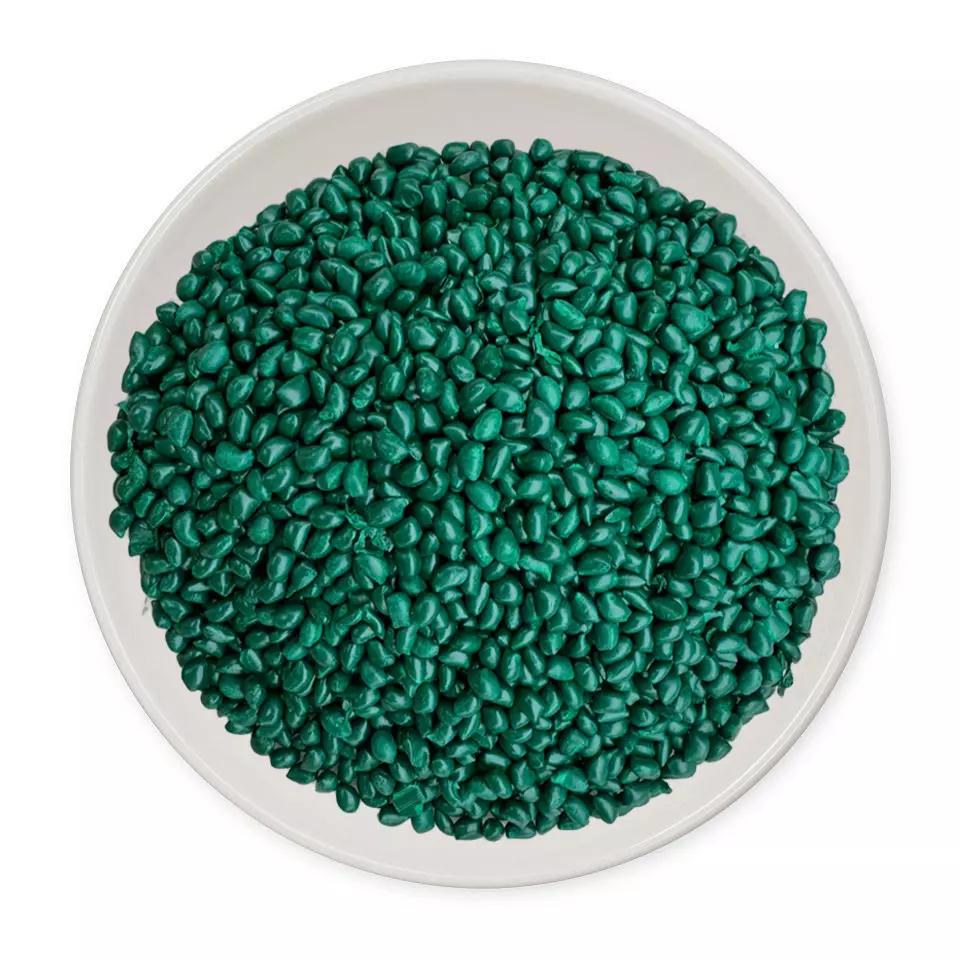 |
High Concentration Plastic Color Masterbatch Factory Direct Supply | 卖方: 861445 | We are a professional color masterbatch manufacturer with years of R&D experience in plastic ... |
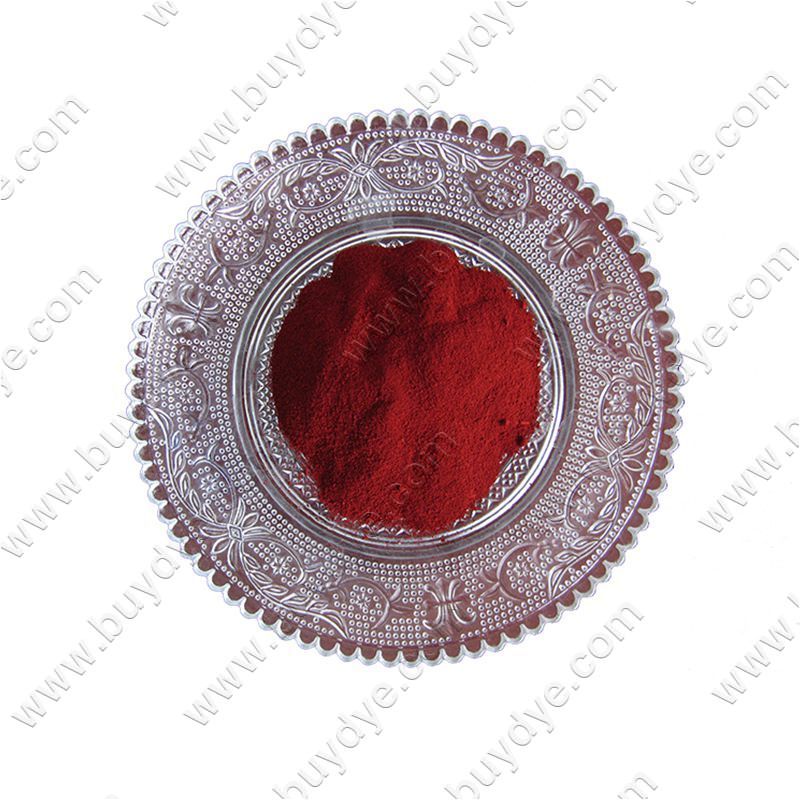 |
Acid Ink Blue G Factory | 卖方: TIANJIN LEADING IMPORT & EXPORT CO., LTD | Acid Ink Blue G Factory 【Application of Acid Ink Blue G 】 mainly used for making blue or ... |
 |
Acid Black ATT Factory | 卖方: TIANJIN LEADING IMPORT & EXPORT CO., LTD | Acid Black ATT Factory 【What’s Acid Black ATT】 is made of acid black 10B and acid o... |
 |
Acid Black 10B Factory | 卖方: TIANJIN LEADING IMPORT & EXPORT CO., LTD | Acid Black 10B Factory is mainly suitable for dyeing and printing wool ,silk and nylon fabri... |

