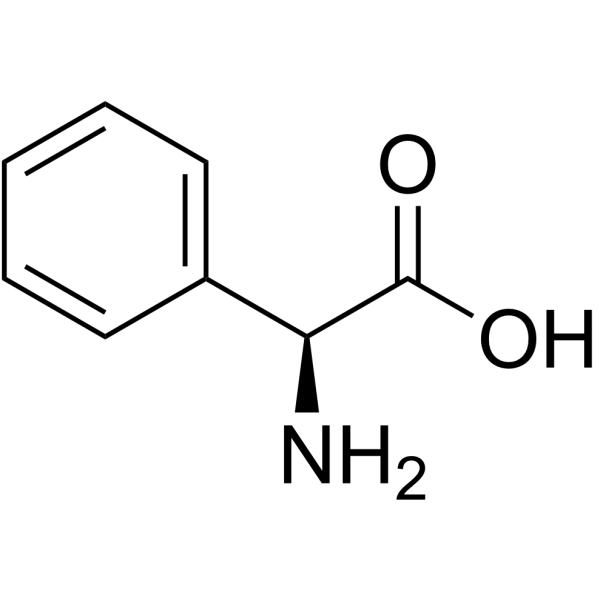
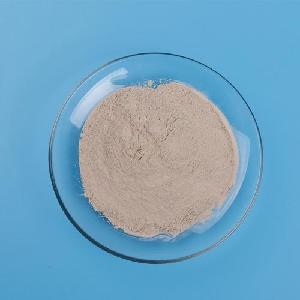
L-proline

L-proline, to ensure its stable quality and performance, certain conditions need to be met during storage. The following is a detailed introduction for you:
Environmental conditions
Temperature: It is recommended to store in a low-temperature environment. Generally, the temperature should be controlled between 2 and 8 degrees Celsius. Low temperature can reduce the chemical reactivity of L-proline and decrease the possibility of its deterioration. If the storage temperature is too high, it may accelerate its molecular movement, cause changes in chemical structure, and affect its purity and usage effect.
Humidity: It should be stored in a dry environment, and the relative humidity is best controlled at 30% - 60%. L-proline has a certain hygroscopicity and is prone to absorbing moisture from the air in a high-humidity environment, resulting in caking, which in turn affects its solubility and performance in use. Therefore, the storage area should be equipped with effective dehumidification equipment to keep it dry.
Light: It should be kept away from light and stored in a light-proof container or an opaque storage cabinet. Light exposure may trigger the photochemical reaction of L-proline, leading to the destruction of its structure and reducing its activity and stability. Therefore, brown bottles and other containers with better light-blocking performance are usually chosen for storage.
2. Packaging requirements
Sealing property: It is necessary to ensure that the packaging has good sealing property to prevent air, moisture and other impurities from entering. Generally, sealed bags, sealed buckets and other packaging forms are adopted, and the product information and storage conditions are clearly marked on the packaging.
Material selection: The packaging materials should have good chemical stability and not undergo chemical reactions with L-proline. Commonly used packaging materials include plastic materials such as polyethylene and polypropylene. These materials are safe and non-toxic, and can effectively protect the products.
3. Storage period and precautions
Storage period: Under appropriate storage conditions, L-proline can generally be stored for 1 to 2 years, but the specific storage period still needs to refer to the product manual.
Regular inspection: During storage, it is necessary to regularly check the condition of the product to observe whether there are any abnormal conditions such as lumps, discoloration, or unpleasant odors. If any abnormality is found, it should be dealt with in time to avoid affecting the usage effect.
Avoid contamination: The storage site should be kept clean and hygienic, avoiding mixed storage with toxic and harmful substances to prevent L-proline from being contaminated. Meanwhile, when taking L-proline, it is necessary to pay attention to using clean tools to avoid introducing impurities.
Other supplier products
|
|
L-Methionine |
L-Methionine is a critical precursor for the synthesis of glutathione (GSH), the body’s primary intracellular antioxidant, through the transs... |
|
|
DL-Alanine Powder |
The original commercial packaging of DL-Alanine is designed for its stability:
Unopened products: Keep in the original sealed bag/bucket (usually... |
|
|
DL-Alanine |
The defining feature of a direct food preservative is its ability to target and inhibit the metabolic processes or structural integrity of microorg... |
|
|
L-proline |
The basic information of L-proline1. Chemical structureMolecular formula: C₅H₉NO₂Molecular weight: 115.13 g/molStructural features: The α -am... |
|
|
High quality |
Beyond natural occurrence, L-tryptophan is sometimes added to fortified foods and functional products to enhance nutritional value or provide speci... |
供应产品
Same products