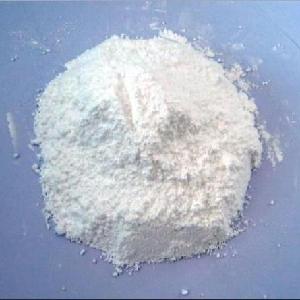
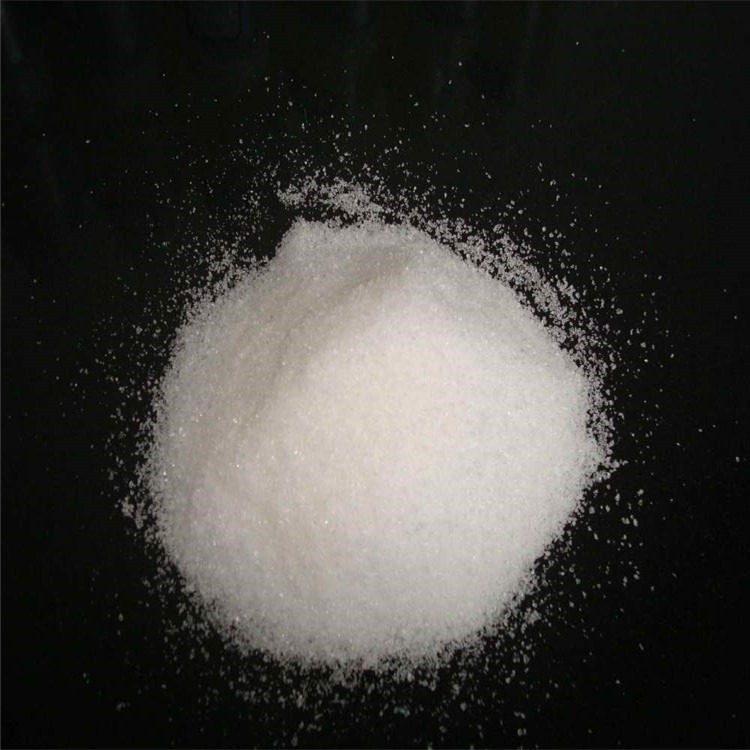
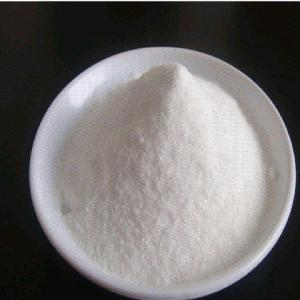
L-Cysteine hydrochloride monohydrate
Hygroscopic Properties of L-Cysteine hydrochloride monohydrate
L-Cysteine hydrochloride monohydrate readily forms hydrates or dissolves in absorbed water, altering its physical state and chemical stability.
Moisture absorption can also lead to pH changes or contamination if the environment contains pollutants.
Impact on Applications
Pharmaceutical/ Food Grade: Excess moisture may compromise product safety (e.g., microbial risks) or efficacy (e.g., reduced antioxidant activity).
Laboratory/Industrial Use: Moisture can affect the accuracy of formulations or reaction yields.
Other supplier products
|
|
L-Tyrosine |
Uses of L-Tyrosine 1. Improving Mental Performance: ·L-Tyrosine may enhance cognitive performance under stressful conditions, such as multit... |
|
|
L-Tyrosine |
L-Tyrosine is a versatile amino acid that supports brain health, mood regulation, stress response, and physical performance. It’s particularl... |
|
|
L-Lysine monohydrochloride |
Appearance and Crystallinity ofL-Lysine monohydrochloride
Pure state: White, odorless, crystalline powder or prismatic crystals (orthorhombic ... |
|
|
L-Methionine |
L-Methionine, an essential sulfur-containing amino acid, cannot be endogenously synthesized by humans and most monogastric animals (e.g., chickens,... |
|
|
Sucralose Purchase price |
Sucralose, as a high-sweetness, calorie-free, and highly stable artificial sweetener, enjoys wide application in various fields such as food, bever... |
供应产品
Same products