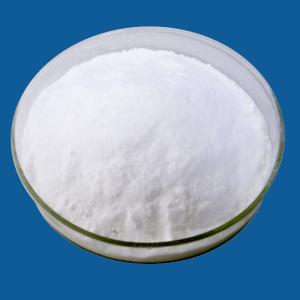
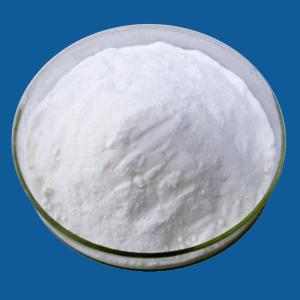
Glycyl-glycyl-glycine

Risk control and usage specifications of Glycyl-glycyl-glycine
Scope of application and limit: Although triglycine is highly safe, the principle of "addition as needed" should be followed to avoid excessive use in infant and toddler food (infants and toddlers have a weak metabolic capacity for amino acids, and the recommended addition amount is ≤0.2g/kg).
Special population precautions: For patients with the rare "glycinemia" (a congenital metabolic disorder disease with a deficiency of glycine metabolic enzymes in the body), it is necessary to avoid foods containing triglycine. However, the incidence rate of such patients in the general population is extremely low (about 1 in 100,000), and there is generally no need to be particularly concerned.
Quality control standards: Food-grade triglycine should comply with standards such as GB 1886.303-2021, with a purity of ≥99.0%, heavy metals (such as lead) ≤1mg/kg, arsenic ≤0.5mg/kg, and ensure that there are no harmful impurities remaining during the production process.
Other supplier products
|
|
N-Acetyl-L-Tryptophan |
N‑Acetyl‑L‑Tryptophan as Nutrient Fortifier (Essential Amino Acid Source) Core Function Stable, bioavailable source of L‑tryptophan (essential amin... |
|
|
L-Alanyl-L-Tyrosine |
Storage conditions of L-Alanyl-L-TyrosineBasic storage requirementsTemperature: It is recommended to store in a frozen environment at -20° C. I... |
|
|
Glycylglycine Manufacturer |
Aliases: N-Glycylglycine, Diglycylamine, Glycylglycine, Diglycine, Glycocoll. Molecular Formula: C4H8N2O3. CAS Number: 556-50-3. Appearance: Glycyl... |
|
|
Cystine Disodium Salt |
The disulfide bond (-S-S-) is the most reactive functional group in Cystine Disodium Salt, and its redox conversion with thiol groups (-SH) is a co... |
|
|
Phospho-L-Tyrosine Disodium Salt |
In biochemical research, Phospho-L-Tyrosine Disodium Salt serves as a critical reference standard for detecting tyrosine phosphorylation. It is use... |
供应产品
Same products