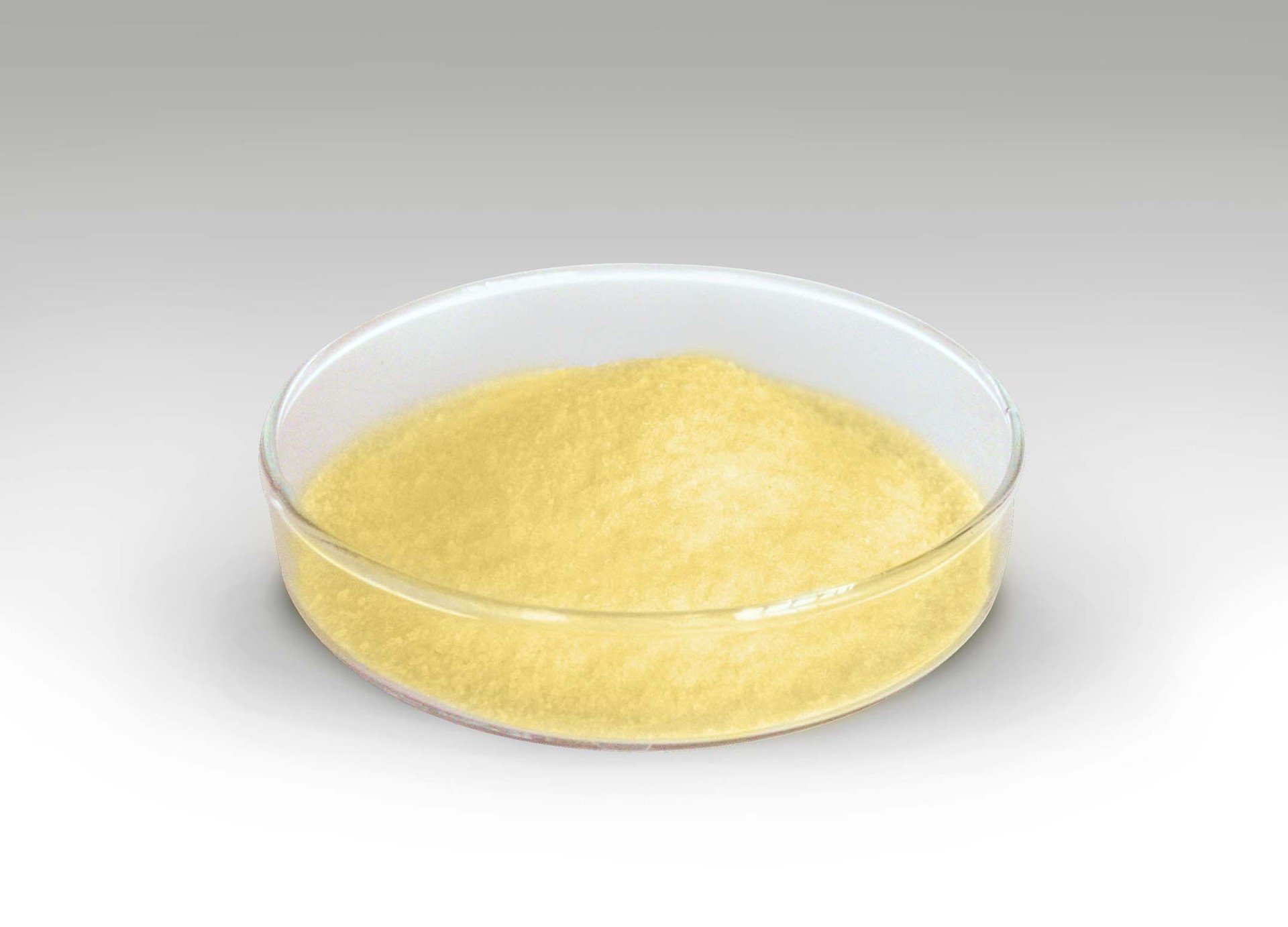
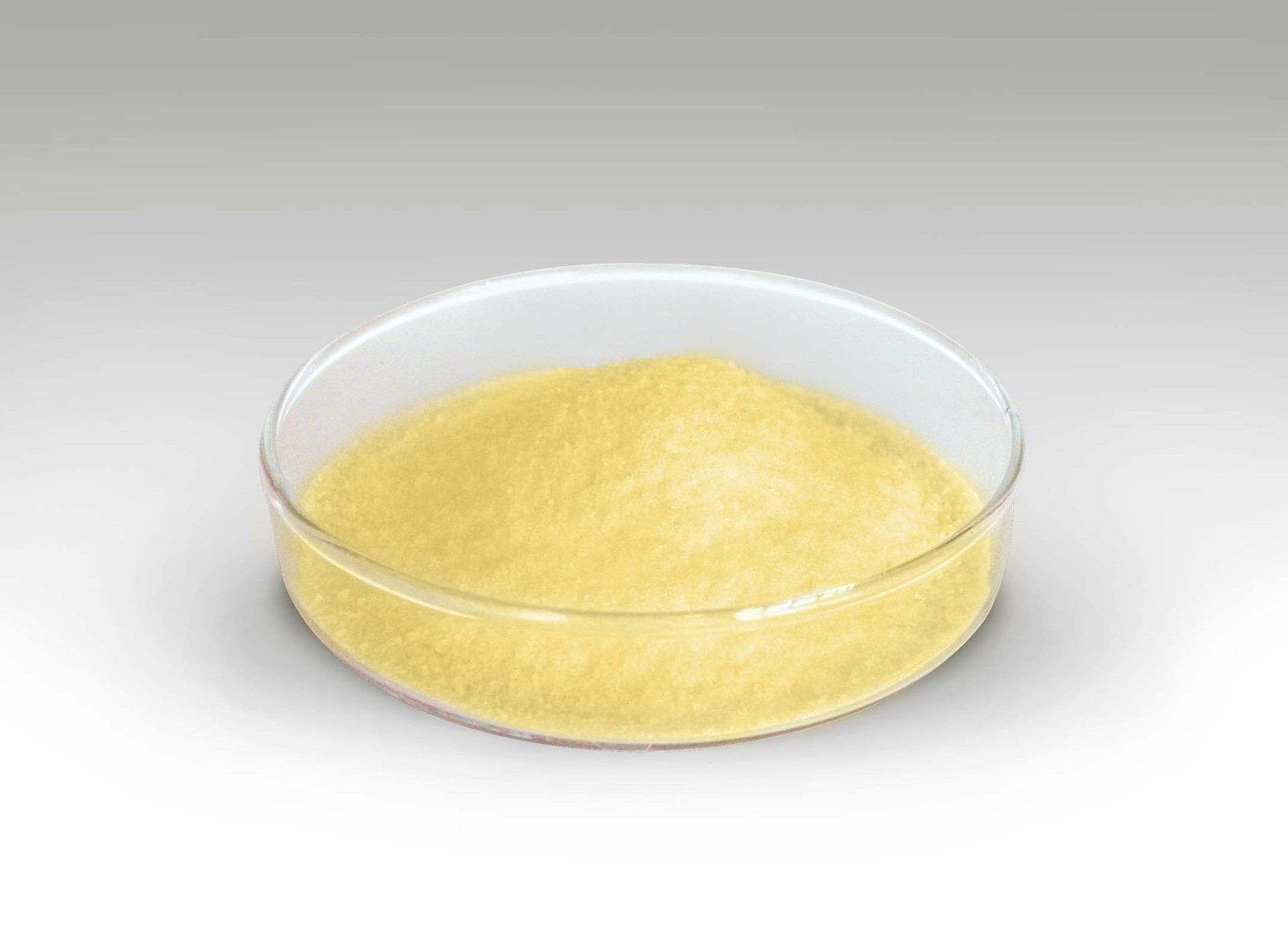
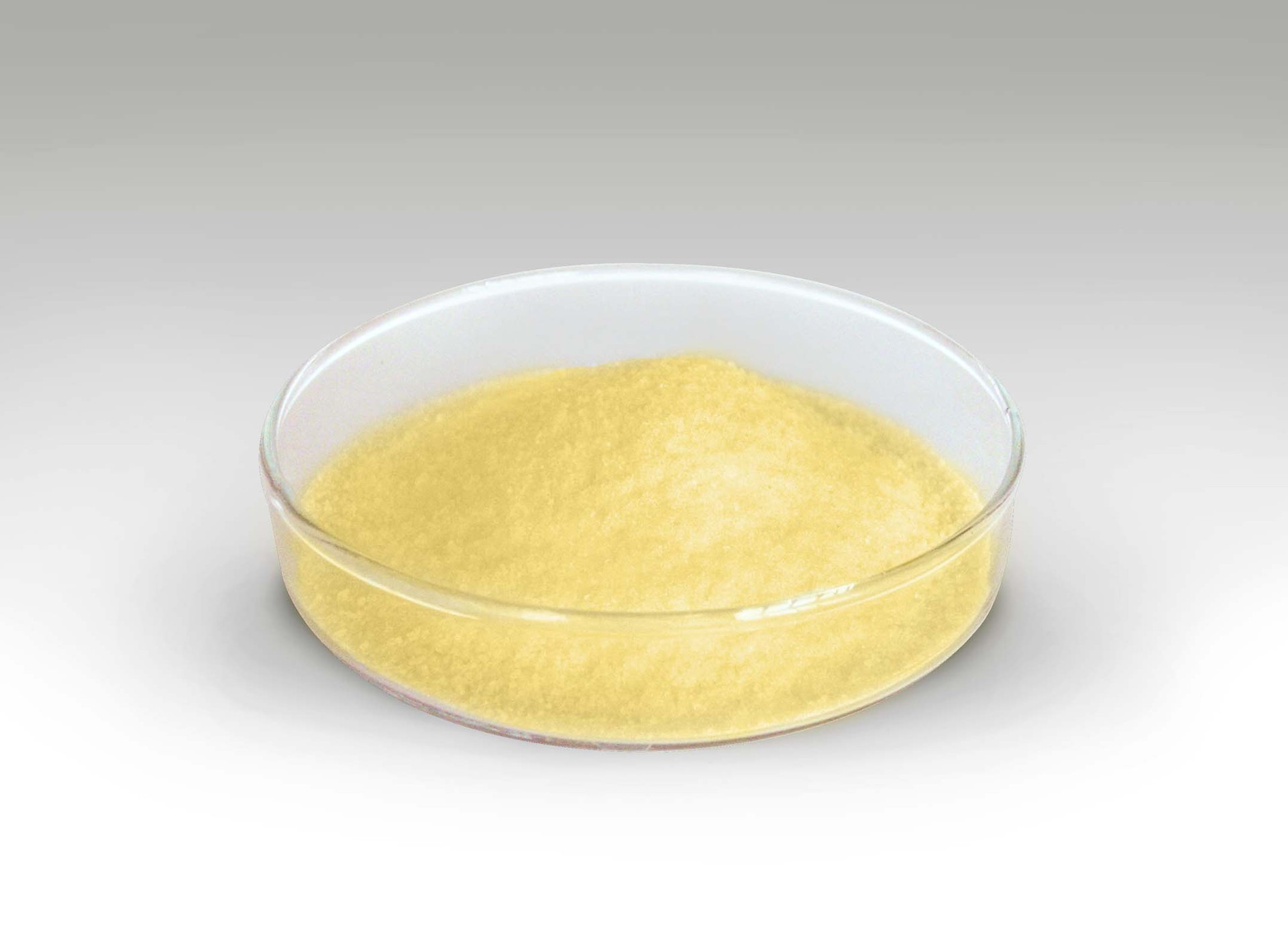
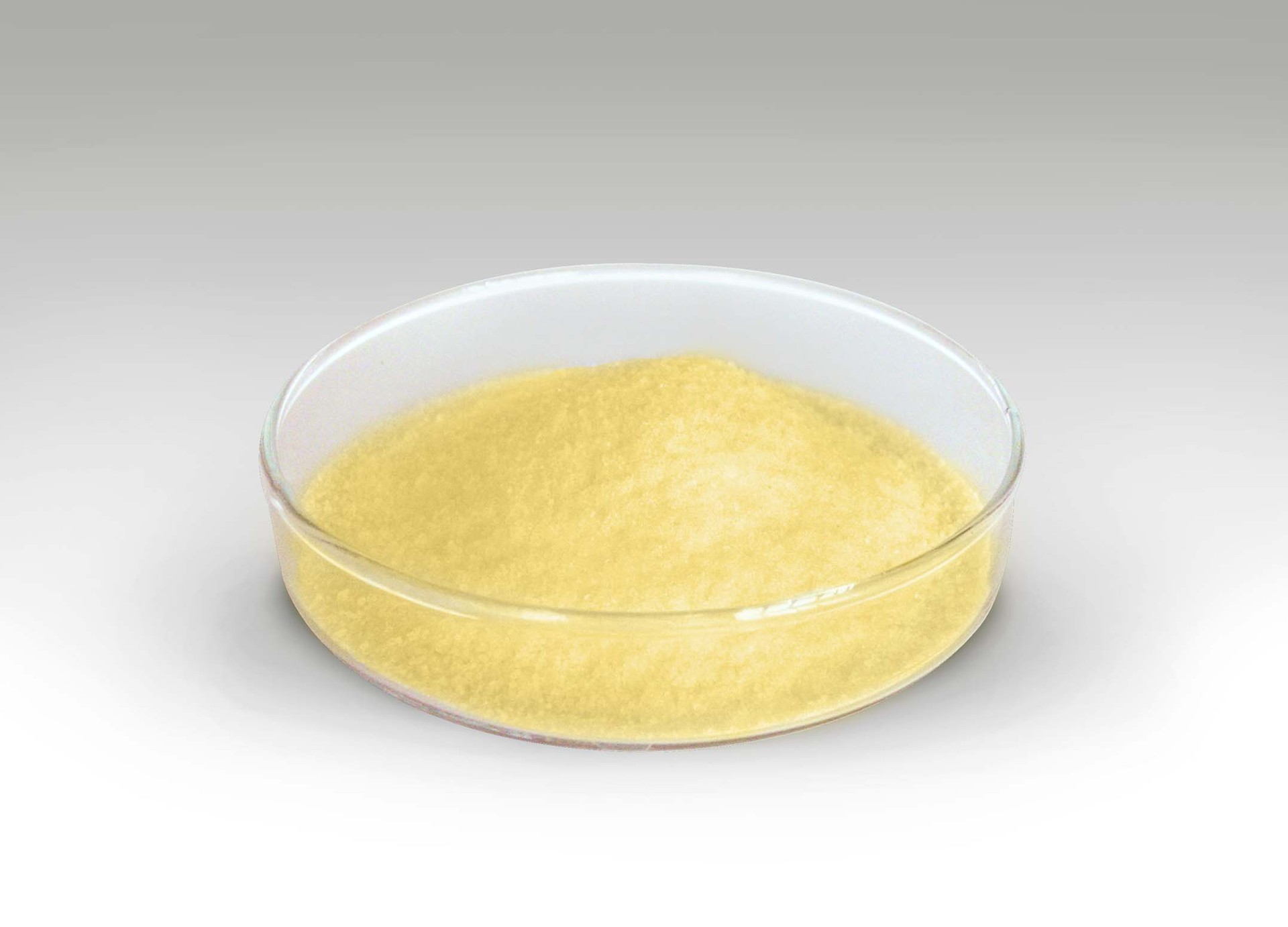
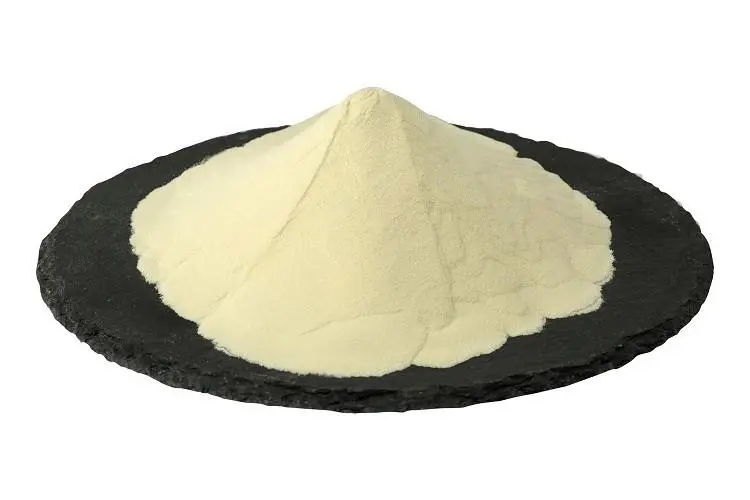
Phospholipid Raw Material
Phospholipids (especially lecithin derived from soybeans, egg yolks, or sunflowers) are recognized as Generally Recognized as Safe (GRAS) by global regulatory bodies (FDA, EFSA, CFSA). They are labeled as "lecithin" or "soy lecithin" in food ingredients lists, and there are no strict upper limits for most applications (though typical addition levels range from 0.1% to 1%, depending on the food).
In the food industry, phospholipids are versatile additives that go beyond simple emulsification—they improve texture, reduce sticking, extend shelf life, fortify nutrition, and enable low-fat product development. Their amphiphilic structure makes them uniquely suited to solve common food processing challenges, while their natural origin (e.g., soy, eggs) aligns with consumer demand for clean, label-friendly ingredients. This combination of functionality and safety has made phospholipids indispensable in modern food production.
Other supplier products
|
|
Purchase price |
Key Advantages in Supplements Biocompatibility: Phospholipids are naturally occurring in the body, reducing the risk of adverse reactions compared ... |
|
|
Phospholipids Powder Raw Material |
Phospholipids exhibit multifaceted application effects in functional foods, ranging from targeted physiological benefits (brain health, liver prote... |
|
|
Phosphatidylserine |
Phosphatidylserine, also known as PS, is an important phospholipid molecule. It is widely found in bacteria, yeast, plants, and mammalian cells, es... |
|
|
Phospholipids as natural amphiphilic lipids |
Phospholipids, as natural amphiphilic lipids with unique structural and functional properties (combining hydrophilic phosphate groups and hydrophob... |
|
|
Phosphatidylserine Powder |
Beyond brain and muscle health, phosphatidylserine exerts nutritional benefits for systemic cellular function, with implications for multiple organ... |
供应产品
Same products