

thermal spray powder coating


Getaquote
whats/app:+86 132 6275 2056
WEB: std-coatings.com
Understanding Plasma Spray Coating:
Plasma spray is a type of thermal spray process used to apply powdered coating materials to a substrate. The plasma coating process uses a high-temperature plasma torch that heats and sprays the powdered material onto a component. The material cools when it makes contact with the surface, forming a uniform coating on the finished component that provides a range of enhanced properties. Plasma coatings are dense, long-lasting, and compatible with a wide range of materials, making plasma spray a superior option for equipment in many different industrial applications.
A Deep Dive into the Plasma Coating Process:
The substrate is cleaned and prepped to make sure the coating adheres properly.
An inert gas is introduced to a plasma torch, where an electric arc ionizes the gas, creating a plasma jet that reaches extremely high temperatures.
The coating materials in powder form are fed into the plasma jet. The heat melts the powders into a molten state.
The molten particles are then propelled to the substrate using a plasma spray gun. The particles rapidly cool and solidify upon impact, forming a dense coating.
Plasma Spray Applications:
Aerospace Components
Advanced plasma spray coatings protect turbine blades, combustion chambers, and other critical aerospace components from extreme temperatures and wear. These coatings significantly extend component life and improve engine efficiency.
Power Generation
Thermal barrier coatings applied through plasma spraying protect gas turbine components, enabling higher operating temperatures and improved efficiency. The process helps extend maintenance intervals and reduce downtime.
Automotive Industry
Plasma coatings improve wear resistance in engine components and provide thermal management solutions for electric vehicle batteries. These applications contribute to increased vehicle performance and durability.
Electronics Industry
Plasma spray ceramics are used in the electronics and semiconductor industry due to their superior dielectric properties, corrosion, and wear resistance. These coatings find applications in etching chamber components as well as insulated bearings.
Advantages:
1. Versatility in Material Choice
Plasma spray coating is capable of applying a wide range of materials, including metals, ceramics, and polymers, allowing for diverse applications in different industries.
2. High Deposition Rates
This method achieves faster coating rates compared to many other coating techniques, making it efficient for large-scale or time-sensitive projects.
3. Strong Bond Strength
Plasma-sprayed coatings typically exhibit excellent bond strength to the substrate, ensuring durability and long-term performance of the coated surface.
4. High Density Coatings
The coatings produced are generally very dense, minimizing porosity and increasing the protective qualities of the coating.
5. Thickness Control
The thickness of the coating can be precisely controlled, enabling customization to specific application requirements.
6. Surface Enhancement
Plasma spray coatings can significantly enhance surface properties such as wear resistance, thermal protection, and corrosion resistance.
7. Minimal Heat Impact
The substrate material experiences minimal thermal impact during the coating process, preserving its structural integrity.
Plasma Spray Frequently Asked Questions:
What is the difference between plasma spraying and HVOF thermal spray coatings?
In the field of thermal spraying, there are two main types of processes: plasma spraying and combustion spraying (e.g. HVOF). Both of these methods involve heating a material to a high temperature and then projecting it onto a surface, but there are some key differences between the two. The plasma spray coating process uses a plasma torch to heat the material, resulting in a high temperature plasma plume. Material heated and accelerated in this plasma plume is then directed at the surface, where it cools and forms a coating. HVOF, on the other hand, uses combustion of a fuel gas such as hydrogen or propane to heat the material. This results in a very high speed jet of gas that is then used to accelerate material directed at the surface. The main difference between these two processes is the velocity of the sprayed material. Plasma sprayed materials tend to be deposited at lower velocities than HVOF sprayed materials, resulting in a less dense coating. Additionally, HVOF is typically used for metallic and composite materials while plasma spraying can be used for a wider range of materials, including ceramics, soft metals, and carbides. Ultimately, the choice between plasma spraying and HVOF depends on the desired final properties of the coating.
The Plasma Spray Coating Process:
The process of plasma spray coating is intricate and requires careful control and precision. It generally involves the following steps:
1. Material Preparation
The first step involves preparing the material to be coated, which usually means cleaning it to ensure the coating adheres properly.
2. Plasma Generation
The heart of the process lies in generating the plasma. This is done by passing a gas (like argon, nitrogen, or hydrogen) through an electric arc, which ionizes the gas, creating plasma.
3. Spray Mechanism
The coating material, in powder form, is then fed into the plasma jet, where it melts and is propelled towards the substrate. The speed and temperature of the particles are carefully controlled to ensure a high-quality coating.
4. Cooling and Solidification
Once the molten particles hit the substrate, they cool and solidify rapidly, forming a strong and adherent coating.
FAQs:
What materials can be applied using plasma spraying?
Plasma spraying can apply metals, alloys, ceramics, cermets, and various composite materials, with material selection based on specific application requirements.
How long do plasma spray coatings last?
Coating longevity depends on the application conditions and maintenance practices, but properly applied plasma spray coatings can extend component life by several times compared to uncoated parts.
What industries benefit most from plasma spray technology?
Aerospace, power generation, medical device manufacturing, and automotive industries are primary beneficiaries of plasma spray technology, though applications exist across many industrial sectors.
How does plasma spraying compare to other coating methods?
Plasma spraying offers superior coating properties and versatility compared to many alternative methods, particularly for high-temperature applications and advanced materials.
在线联系供应商
Other supplier products
 |
Red Color Matte Powder Coating | Powder type Epoxy-Polyester, Polyester Applications Exterior Industrial, Specialized Finish type Smooth Color standard: RAL RAL colors: RAL ... |
 |
Polyester powder coatings for indoor use MT-300 | WA:+86 132 6275 2056 WEB: std-coatings.com Product description MT-300 is a series of polyester resin based thermo-setting powder coatings form... |
 |
Bonding Metal Powder Coating Series | Getaquote whats/app:+86 132 6275 2056 WEB: std-coatings.com Brief Description Using various series of powder coatings and aluminum, copper, gold, p... |
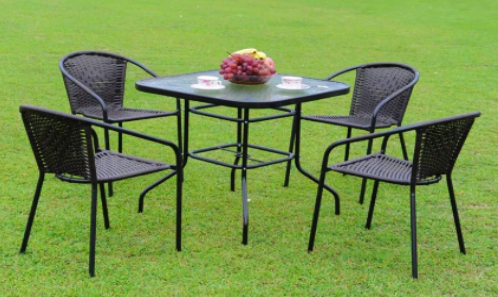 |
Indoor Metal Furniture Powder | Getaquote whats/app:+86 132 6275 2056 WEB: std-coatings.com Introduction Made of polyester resin and epoxy resin as the main base materials, it com... |
 |
Epoxy Anti-Corrosion Powder Coating for Coal Mine Gas Drainage Pipes | Product Introduction: This product is formulated using phenolic epoxy resin and incorporates self-developed conductive polymers and conductive mat... |
Same products
 |
Metallic flat high gloss MT-049/98010 | 卖方: Standard International Group (HK) Limited | Getaquote whats/app:+86 132 6275 2056 WEB: std-coatings.com Introduction No. MT-049/98010 Co... |
 |
Pure epoxy powder coating | 卖方: Standard International Group (HK) Limited | Getaquote whats/app:+86 132 6275 2056 WEB: std-coatings.com Product model CH Product characterist... |
 |
Epoxy polyester powder coating | 卖方: Standard International Group (HK) Limited | Getaquote whats/app:+86 132 6275 2056 WEB: std-coatings.com Product model GA, SF, FX, etc. Produc... |
 |
Pure polyester weather-resistant powder coating Factory Supplier | 卖方: Standard International Group (HK) Limited | Getaquote whats/app:+86 132 6275 2056 WEB: std-coatings.com Product model OWP Product characteris... |
 |
Metallic flat semi-gloss Powder Coating MT-049/97003 | 卖方: Standard International Group (HK) Limited | Getaquote whats/app:+86 132 6275 2056 WEB: std-coatings.com Introduction No. MT-049/97003 Co... |

