

PROTECTIVE AGENTS (FOR BIOLOGICAL)

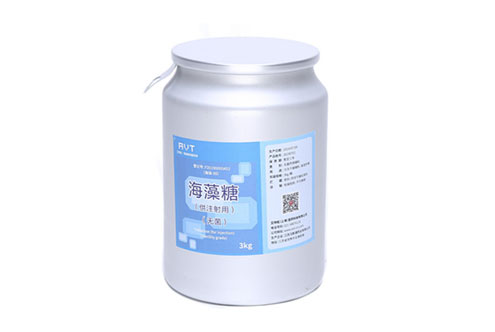
In order to protect the quality and activity of active substances such as proteins in biological products, we usually add sugar protectants in drug formulations to lyophilize.
As a pharma industry excipients supplier, AVT provides excipient for enhancing solubility in tablet manufacture exampleand high-quality trehalose and sucrose, as commonly used protein protectants, lyoprotectants and cryoprotectants in the formulation of biological products, their quality directly affect the finished products' quality.
TYPES OF PROTECTIVE AGENTS (FOR BIOLOGICAL)
D(+)-Trehalose Dihydrate (For Injection) CAS No.: 6138-23-4
Highly cost-effective, Low endotoxin (< 0.1IU/g), Product quality conforms to USP, EP, JP standards, Registered with the US FDA, DMF No.035566.
Learn More
D(+)-Trehalose Dihydrate (For Injection)(Sterile) Cas No.: 6138-23-4 Trehalose For Sale
D(+)-Trehalose Dihydrate (For Injection)(Sterile) Cas No.: 6138-23-4 Trehalose For Sale
Aseptic GMP production environment,Ultra low endotoxin (<0.1IU/g), Product quality conforms to USP, EP, JP standards, Registered with the US FDA, DMF No. 034401.
Learn More
CAS NO 57 50 1 Sucrose For Sale (For Injection)
low endotoxin, high quality, Meet the needs of product development at all levels, highly cost-ef-fective, stock available.
Learn More
THE EFFECTS OF PROTECTIVE AGENTS (FOR BIOLOGICAL)
AS a non-specific stabilizer of protein, it can stabilize protein throughout the various stages of lyophilization.
01
Bio-product cryoprotectants: cryoprotectant for freezing process, dehydration protector for drying process.
02
Monoclonal antibody injection protein protectant: stabilize and protect antibody protein.
03
Blood product protective agent: can significantly prolong the preservation time of plasma and blood cells, stabilize and protect blood protein.
HOW DO PROTECTIVE AGENTS (FOR BIOLOGICAL) WORK?
How do Protective Agents (for Biological) Work?
Bio-product cryoprotectants: cryoprotectant for freezing process, dehydration protector for drying process.
Monoclonal antibody injection protein protectant: stabilize and protect antibody protein.
Blood product protective agent: can significantly prolong the preservation time of plasma and blood cells, stabilize and protect blood protein.
If you want to know more types of pharma excipients, please visit our website.
在线联系供应商
Other supplier products
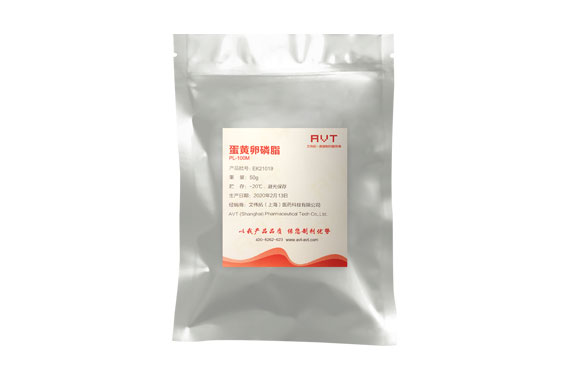 |
EGG YOLK LECITHIN CAS NO.: 93685 90 6 | Emulsification efficacy of lecithin from egg yolk cas no.:93685 90 6 is a critical factor to the quality of lipid emulsions. Better emulsification ... |
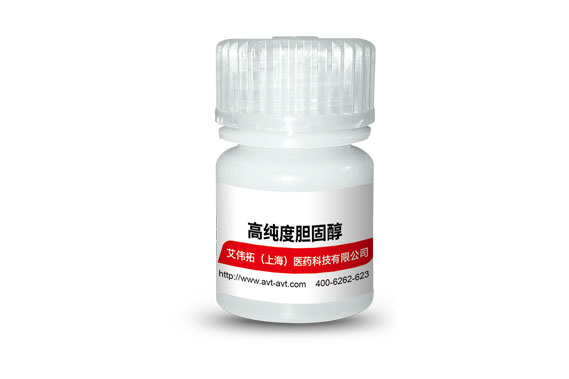 |
CHOLESTEROL HP CAS NO.: 57-88-5 | extraction, hydrogenation, and refining. The final purity of Cholesterol HPcas 57 88 5can reach 99% at least. Cholesterol HP cas 57 88 5is the spec... |
 |
LIPOSOMAL PHOSPHOLIPIDS | liposomal Phospholipids (used to prepare liposomes) are divided to natural phospholipids and synthetic phospholipids. AVT, the phosphatidylcholine... |
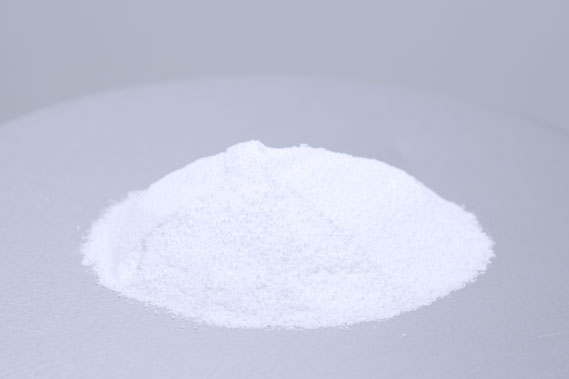 |
CAS NO 57 50 1 Sucrose For Sale (For Injection) | CAS NO 57 50 1 SUCROSE FOR SALE (FOR INJECTION) CAS 57 50 1 sucrose for sale is injectable grade sucrose of high purity and low endotoxin , which i... |
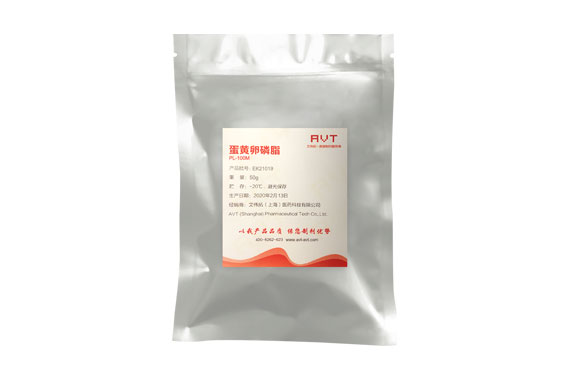 |
Egg Yolk Lecithin Cas No.: 93685 90 6 | EGG YOLK LECITHIN CAS NO.: 93685 90 6 Emulsification efficacy of lecithin from egg yolk cas no.:93685 90 6 is a critical factor to the quality of ... |
Same products
 |
医药产品及医疗健康解决方案 | 卖方: 华诺电气有限公司 | 医药产品在医疗保健、疾病预防、诊断和治疗等领域发挥着重要作用。产品范围涵盖各类药品、医药原料、健康产品及相关解决方案,可满足医院、药房、医药经销商和医疗机构等不同客户的采购需求。产品可根据具体用... |
 |
Glycine | 卖方: Shanghai Yifu Food Ingredients Co., Ltd | Glycine is a non-essential amino acid naturally present in the human body and is also a substance... |
 |
Glycine | 卖方: Shanghai Yifu Food Ingredients Co., Ltd | Glycine is an endogenous amino acid in the human body and a fundamental component of proteins. It... |
 |
Glycine | 卖方: Shanghai Yifu Food Ingredients Co., Ltd | Glycine is a food-grade amino acid approved by the state. Due to its high safety, sweet taste, an... |
 |
Glycine | 卖方: Shanghai Yifu Food Ingredients Co., Ltd | Glycine has three reaction centers: amino group, carboxyl group, and methylene group. It has typi... |

