

Microgrid


What Is a Microgrid?
For decades, most countries have relied on large power grids to meet electricity demand. However, many regions of the world still face the problem of grid defects or non-existence, which is exacerbated by the population' s economy and population growth, which is expected to increase demand by 57% by 2050. As the cost of decentralized technologies declines, the use of multiple local energy generation units (called) is expanding. More than 2,258 projects have been tracked worldwide. These microgrids are mainly used in industrial and commercial fields and power plants to power urban and industrial facilities because they provide alternative energy supply solutions that are more competitive and reliable than centralized grids.
The microgrid is an energy distribution network that depends on local power generation methods. It is designed to operate independently within a certain range or to synchronize with national networks. In order to enable remote areas to ensure their economic activities and benefit from reliable energy, it is necessary to ensure the production and distribution of electricity. This is also an opportunity to profit from clean distributed and renewable energy. Note: The term microgrid is also often used to describe nanogrids and microgrids. There is no exact definition but we can set them apart:
Picogrid is a small power system that can only provide limited capacity for connected projects. In sub-Saharan Africa, Pico solar photovoltaic equipment is increasingly used. These systems are called Pico PV or Solar Pico Systems (SPS) and are mainly used for electrification problems in rural areas. The energy demand in these areas is too low, or the price of solar home systems is unbearable and cannot rely on nano grids.
Nano grid is a single power domain with a single physical layer for power distribution. Although still providing energy with limited capacity, the scale of application is more important than the pico grid. For example, Nano grid is used in solar home systems (SHS), where each home is powered by an autonomous photovoltaic system. The most common SHS consists of a solar panel, a battery with a prepaid electricity meter, and a power plug, which can provide enough energy to meet the basic power needs of the home.
The microgrid system is a power system composed of loads and distributed energy sources (such as, combined heat and power, fuel cells, and energy storage systems).
The microgrid can be operated independently or synchronously with the grid to ensure reliable local energy at any time.
在线联系供应商
Other supplier products
 |
renewable power generation facilities | Advantages and disadvantages of photovoltaic power generation shared by . Advantages of photovoltaic power generation: Conventional energy sources ... |
 |
PV systrem | Guatemala Comercial This is a grid-connected photovoltaic project with 400kW total power in Frater Ciudad San Cristobal, Guatemala. It has bee... |
 |
photovoltaic system design company | photovoltaic system renewable power system power generation Advantages and disadvantages of photovoltaic power generation shared by . Advantages of... |
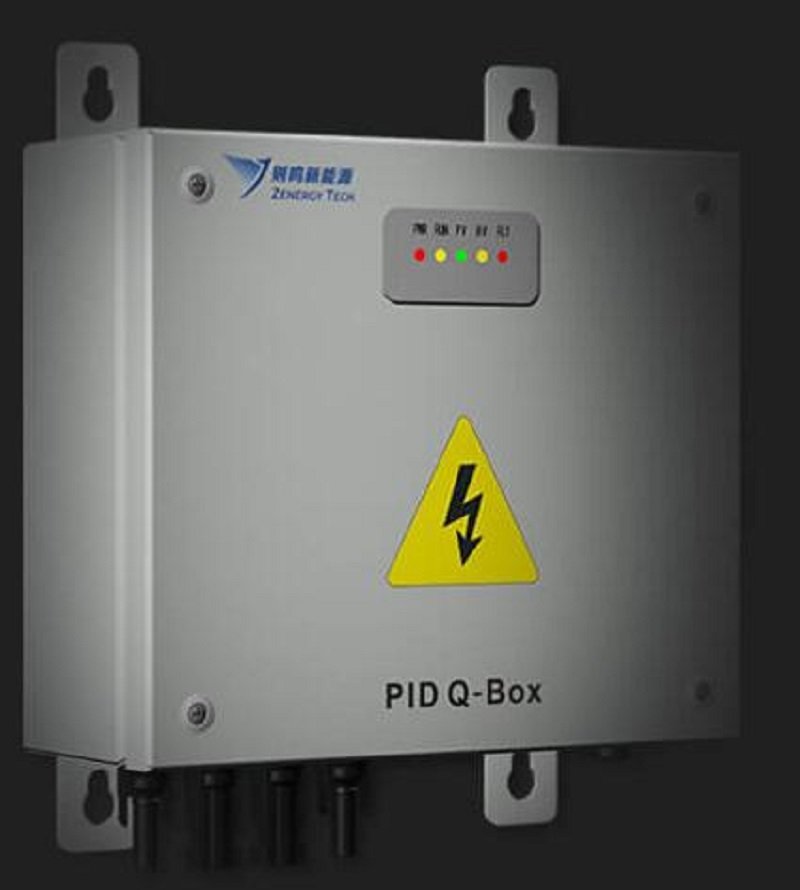 |
resorts power supply system | The PID problem is the PV performance degradation caused by high voltage to the earth for a long time. Advantages The industry's first Dynamic Ad... |
 |
Renewable Energy Development | Renewable Energy Development Slump in Oil Prices Has Advantages and Disadvantages for Renewable Energy Development Recently, Saudi Arabia and Rus... |
Same products
 |
天冬氨酸酶 | 卖方: BIT生物港公司 | 天冬酰胺酶(ASN)是一种酰胺水解酶,特异性催化天冬酰胺的水解反应。该产品通过基因工程技术从大肠杆菌中表达并纯化,具有高纯度和强活性。本品为微生物发酵生产、经先进工艺精制而成的高纯度天冬酰胺酶,... |
 |
乙酰酯酶 | 卖方: BIT生物港公司 | 乙酰酯酶是一类专门用于水解底物中乙酰酯键的酶。这类酶广泛存在于自然界中,能够高效催化特定化学键的水解反应。其具有毒性低、生物降解性好以及良好的生物相容性等优点。适用场景:多种生化分析、酶联免疫吸... |
 |
β-N-乙酰葡萄糖胺酶 | 卖方: BIT生物港公司 | β-N-乙酰葡萄糖胺酶是一种溶酶体酶,用于水解N-乙酰-β-D-葡萄糖胺和N-乙酰-β-D-半乳糖胺。基于β-GlcNAc与β-GalNAcc的... |
 |
几丁酶 | 卖方: BIT生物港公司 | 壳聚糖酶是一种高效的细胞外酶复合物,可降解壳聚糖,来源于Serratia marcescens(在大肠杆菌中高表达)。该酶可催化壳聚糖水解为壳聚糖寡糖和N-乙酰-D-葡萄糖胺。产物具有多种生物活... |
 |
TEV蛋白酶 | 卖方: BIT生物港公司 | TEV蛋白酶(烟草蚀病毒蛋白酶)是一种广泛应用于生物研究的常用蛋白质纯化工具酶。它能够特异性识别并切割含有ENLYFQ↓S/G序列的融合蛋白,从而去除标签蛋白,获得纯净的目标蛋白。该酶... |

