

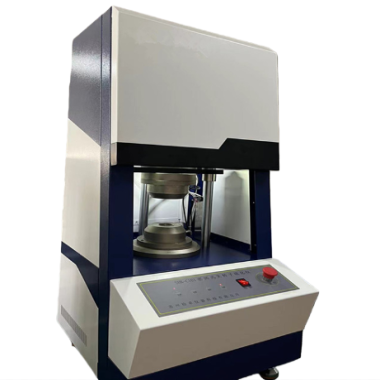
Rubber non-rotor vulcanization Tester

Get a quote:
Whats/App: +86 185 0176 3615
Web: qinsun-lab.com
The Rubber Non-Rotor Vulcanization Tester is a precision instrument designed for the rubber processing industry to monitor and control rubber material quality. It provides rapid inspection and supports rubber basic research and formulation optimization. The tester can accurately measure scorch time, positive vulcanization time, vulcanization index, and torque parameters (maximum and minimum), offering essential data for quality control, R&D, and formula development.
Applications
(1) Rubber compound quality control: Rapid assessment of rubber material properties during production.
(2) Rubber R&D: Testing new rubber formulations and additives.
(3) Vulcanization process optimization: Determining optimal curing conditions.
(4) Material comparison: Evaluating performance differences between batches or suppliers.
(5) Rubber laboratory testing: Suitable for research institutes and industrial laboratories for basic rubber studies.
Standards
(1) ASTM D5289-95 — Standard Test Method for Rubber Property—Vulcanization Using a Moving Die Rheometer
(2) ISO 6502-1999(E) — Rubber, Vulcanized or Thermoplastic—Determination of Cure Characteristics
(3) GB/T 16584-1996 — Rubber—Determination of Cure Characteristics Using a Non-Rotating Rotor Rheometer
Advantages
(1) Accurate vulcanization measurement: Determines scorch time, positive cure time, vulcanization index, and torque with high precision.
(2) Supports formula optimization: Provides reliable data for rubber compound development.
(3) Standard compliant: Meets ASTM, ISO, and GB/T international and national standards.
(4) User-friendly operation: Simple control interface for temperature and time settings.
(5) Stable and durable: Designed for long-term use in laboratory and production environments.
Technical Parameters
| Item | Specification |
|---|---|
| Temperature measurement range | 0–200℃ |
| Temperature setting range | 0–200℃ |
| Temperature display range | 0–200℃ |
| Set time range | 0–200 minutes |
| Torque measuring range | 0–5 N·m, 0–10 N·m, 0–20 N·m |
| Swing frequency | 100 times/min (≈1.7 Hz) |
| Power supply | AC 220V ±10%, 50 ±1Hz, must be grounded |
| Compressed air | 0.32 MPa, controlled by pneumatic valve |
| Ambient conditions | Temperature 0–40℃, RH <80%, no corrosive gases |
在线联系供应商
Other supplier products
 |
Contact Coolness Tester STD-QM | Get a quote: Web: qinsun-lab.com Email:serving@qinsun-lab。com Get a quote: Whats/App: +86 185 0176 3615 Web: qinsun-lab.com The Contact Coo... |
 |
Fuel Cell Air Intake Filter Test System | Get a quote: Whats/App: +86 185 0176 3615 Web: qinsun-lab.com The Fuel Cell Air Intake Filter Test System is designed to evaluate air intake fil... |
 |
Fogging Tester | Get a quote: Whats/App: +86 185 0176 3615 Web: qinsun-lab.com Application 1. Evaluating Material Fogging Performance The fogging tester is pri... |
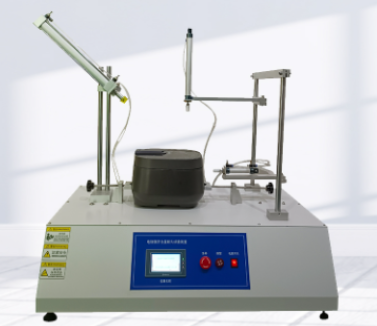 |
Rice Cooker Durability Tester | Get a quote: Whats/App: +86 185 0176 3615 Web: qinsun-lab.com TheRice Cooker Lid Opening and Closing Durability Testeris designed to evaluate th... |
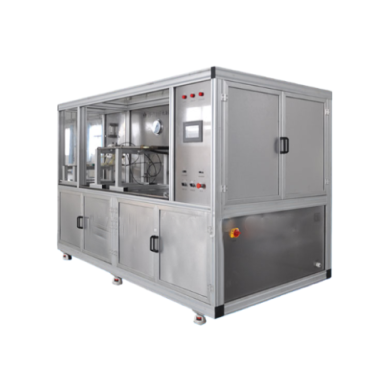 |
Comprehensive Engine Oil Filter Test Bench | Get a quote: Whats/App: +86 185 0176 3615 Web: qinsun-lab.com The test bench is mainly used to test the differential pressure-flow characteristi... |
Same products
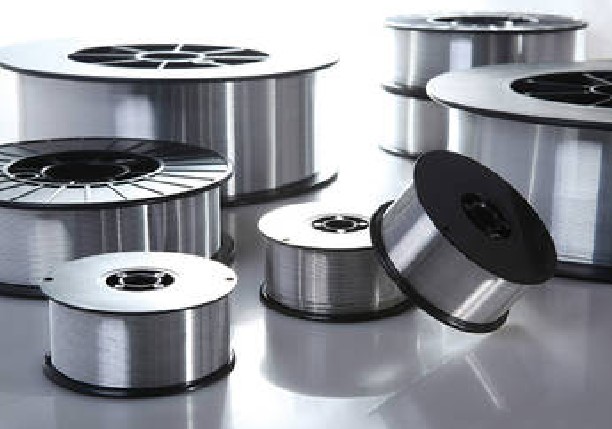 |
ER4043 Silicon Aluminum Welding Wire | 卖方: 868776 | Hangzhou Kunli Welding Materials Co., Ltd. specializes in manufacturing high-quality welding mate... |
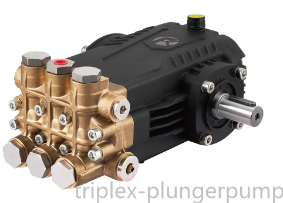 |
Choosing the Right Equipment for Heavy-Duty Cleaning | 卖方: Taizhou Feike Mechanical Technology Co., Ltd. | FEIKE’s High Pressure Washer is designed for industrial cleaning, equipment maintenance, ve... |
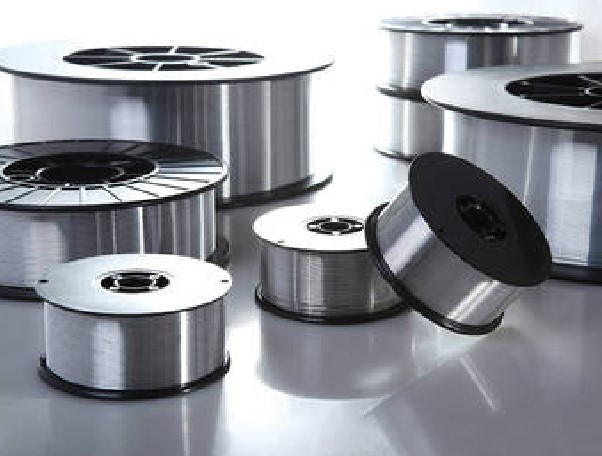 |
ER4043 Silicon Aluminum Welding Wire | 卖方: 868776 | Hangzhou Kunli Welding Materials Co., Ltd. offers ER4043 Silicon Aluminum Welding Wire for alumin... |
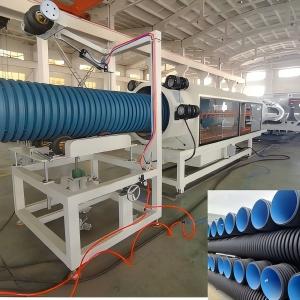 |
HDPE高速水冷双壁波纹管生产线 | 卖方: Shandong HUASU Plastic Technology Co.,Ltd. | 机头模具采用双流道结构、氮化磨光处理机头,偏壁调整方便快捷,保证内外层壁厚均匀和稳定成型。 最新设计密闭压力水冷冷却结构,冷却充分,多点分布真空系统,效率更高,生产速度更快。 双层在线扩口功... |
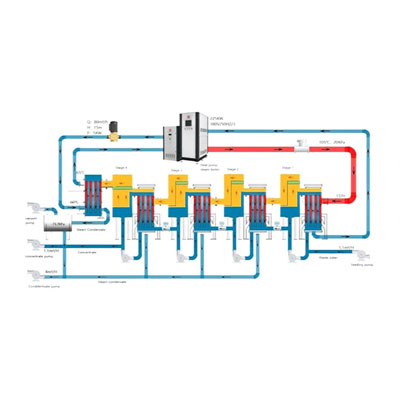 |
PanEVAP & MVR system | 卖方: Yangzhou Panstar Heat Exchanger Equipment Co., Ltd | A multiple-effect evaporator is a device that efficiently uses steam heat to evaporate water. Wat... |

