

Impact Testing MachineISO 6272,High precision impact testing machine

Whats/App: +86 156 1874 6768
Web: standard-groups.com
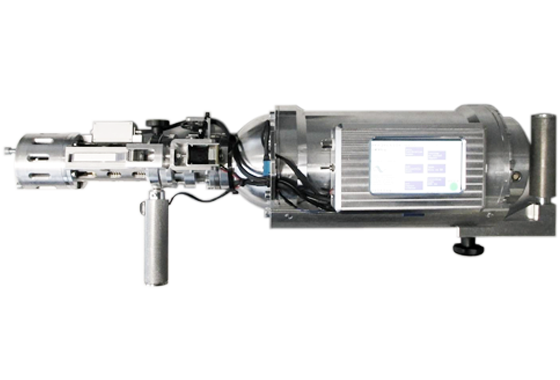
The Impact Testing Machine is a precision instrument designed for material testing in the aerospace and railway sectors. You can use it to assess coatings, paints, and rigid materials by delivering controlled impacts with a defined energy level. The machine uses compressed air to generate impacts ranging from 3 to 140 joules, allowing accurate evaluation of material resistance to sudden deformation or stone-chip impact.
Application
The Impact Testing Machine is suitable for a wide range of material testing applications:
Aerospace Materials: Test aircraft coatings and structural materials for impact resistance.
Railway Components: Evaluate durability of railcar coatings and interior panels under sudden mechanical stress.
Automotive Coatings: Assess stone-chip and high-speed particle impact resistance on vehicles.
Paint and Coating Development: Optimize formulation for durability and adhesion under impact loads.
R&D and Quality Control: Perform controlled energy impact tests for material validation and certification.
Typical test products include aircraft panels, railway interior panels, automotive paint samples, and rigid plastic components.
Standards
The system supports compliance with international and automotive material standards:
ISO 6272‑1:2011 – Paints and varnishes – Impact resistance tests – Part 1: Large-area falling-weight test.
ISO 6272‑2:2011 – Paints and varnishes – Impact resistance tests – Part 2: Small-area falling-weight test.
ASTM D2794‑04(2022) – Standard test method for resistance of coatings to impact.
ASTM D5420‑21 – Test method for rigid plastic impact performance (falling-weight method).
GB/T 14123‑2012 – Mechanical impact testing machine performance characteristics.
GB/T 20624.1‑2006 – Paints and varnishes – Large-area falling-weight impact test.
GB/T 20624.2‑2006 – Paints and varnishes – Small-area falling-weight impact test.
ISO 20567‑1 – Road vehicles – Automotive materials resistance to stone-chip impact.
SAE J400 Series – Impact testing and material performance standards.
ASTM D3170 – Stone-chip impact performance test method.
GMW14668‑3.4.9 – GM stone-chip impact requirements.
Parameters
| Parameter Category | Details |
|---|---|
| Impact Device Dimensions | 270 × 600 × 200 mm (W × H × D) |
| Impact Device Weight | 10 kg |
| Impact Energy | 3 – 140 J (at 6 bar maximum) |
| Energy Adjustment | Via controller, adjustable within range |
| Data Sampling Rate | 50 kHz |
| Display | 4.3" touch screen, 480 × 272 pixels |
| Data Storage | SD card |
Features
Specifically designed for aerospace and railway material testing.
Generates impact using compressed air at controlled energy levels.
Multiple impact heads available with varying weight and tip type.
Impact energy adjustable from 3 to 140 joules using the controller.
Built-in touchscreen displays test analysis in real time.
Test data recorded at 50 kHz for accurate distance, velocity, and acceleration measurements.
Data is stored on an SD card for easy retrieval and analysis.
Compact impactor size for flexibility: 270 × 600 × 200 mm.
Maximum impact energy: 140 J at 6 bar.
Accessories
Interchangeable impact heads (different weights and tips)
Compressed air supply system
4.3-inch touchscreen controller
SD card for data storage
Sample mounting fixture
Safety shields and enclosure
Test Procedures
Ensure the testing area is clear and compressed air supply is connected.
Mount the material sample on the fixture according to standard dimensions.
Select the appropriate impact head and adjust the compressed air pressure to achieve the desired energy (3–140 J).
Set the sampling rate and display parameters on the touchscreen controller.
Activate the impact test and monitor the material response on the touchscreen in real time.
Record distance, velocity, acceleration, and impact results to the SD card.
Repeat for multiple samples or energy levels as required by standards.
After testing, safely remove samples and store data for analysis.
Maintenance Information
Inspect impact heads, sample fixtures, and air connections regularly.
Calibrate pressure and energy settings periodically to ensure accuracy.
Clean the impact device and enclosure to remove debris or coating residues.
Replace worn or damaged impact tips to maintain testing consistency.
Verify data recording and touchscreen functionality before each test session.
在线联系供应商
Other supplier products
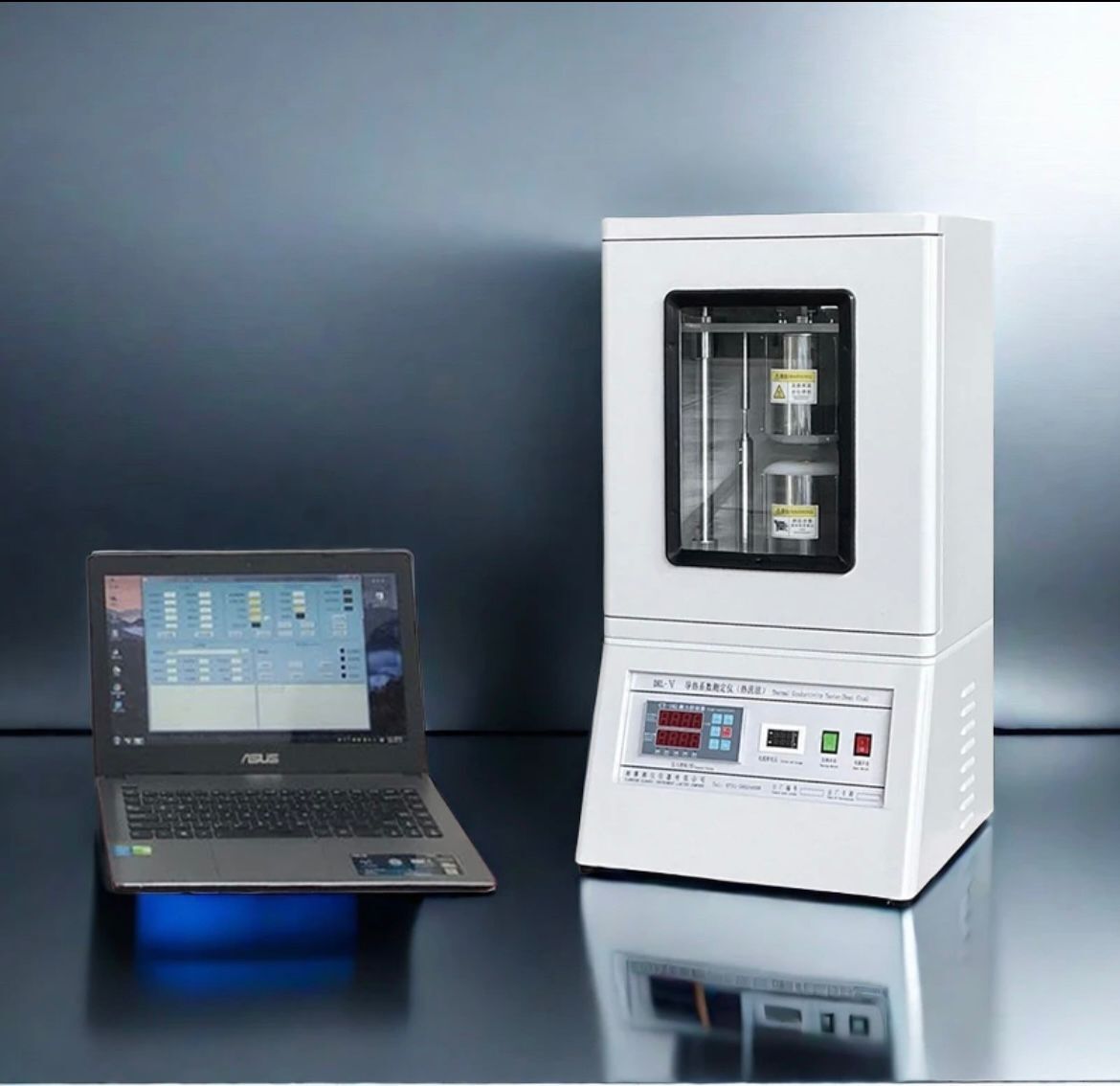 |
Benchtop Thermal Conductivity Tester (Heat Flow Method) | Whats/App: +86 156 1874 6768 Web: standard-groups.com Benchtop Thermal Conductivity Tester (Heat Flow Method) is a compact, high-precision testin... |
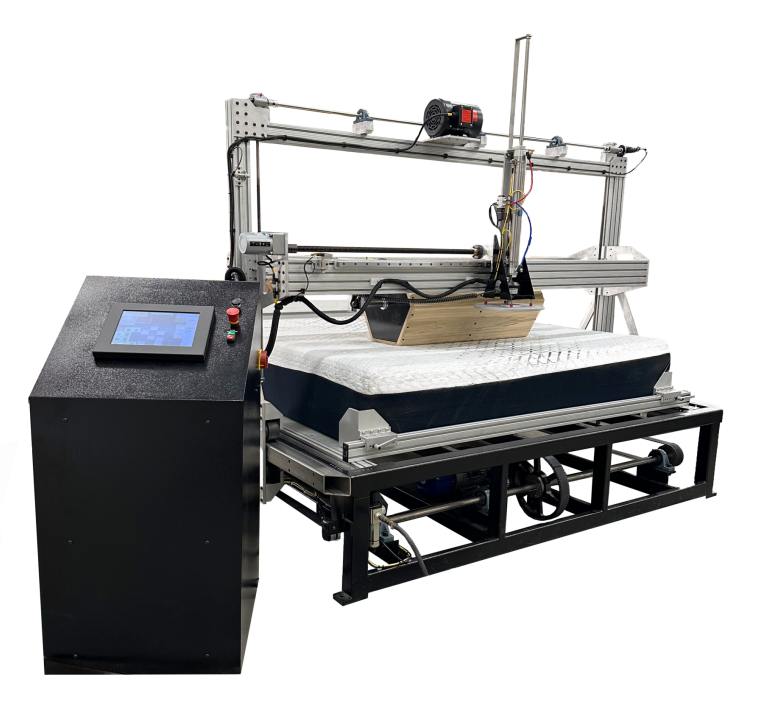 |
Mattress rollator tester | Whats/App: +86 156 1874 6768 Web: standard-groups.com The Mattress Rollator is a laboratory durability testing system designed to evaluate the lo... |
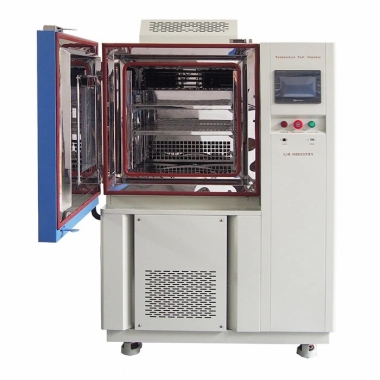 |
Constant Temperature Chamber | Whats/App: +86 156 1874 6768 Web: standard-groups.com Features and Benefits 1.Using advanced temperature control system and high-precision tempe... |
 |
UL 2596 Torch and Grit particle tester | Get a quote: Whats/App: +86 156 1874 6768 Web: standard-groups.com The Gravel Flame Jet Test Apparatus is designed to evaluate battery enclosure... |
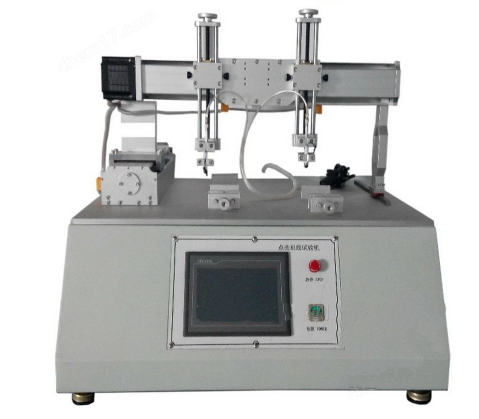 |
Touch Screen Tap-and-Scratch Durability Tester | Whats/App: +86 156 1874 6768 Web: standard-groups.com Application Primary applications Durability testing of mobile touch screens Repeated ta... |
Same products
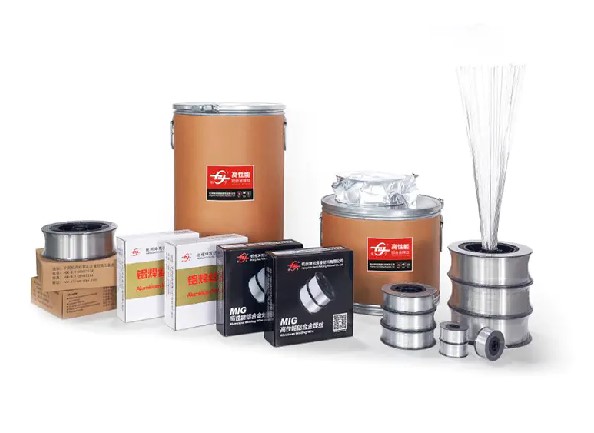 |
ER4047 Aluminum Mig Welding Wire | 卖方: 868776 | Hangzhou Kunli Welding Materials Co., Ltd. specializes in manufacturing reliable welding material... |
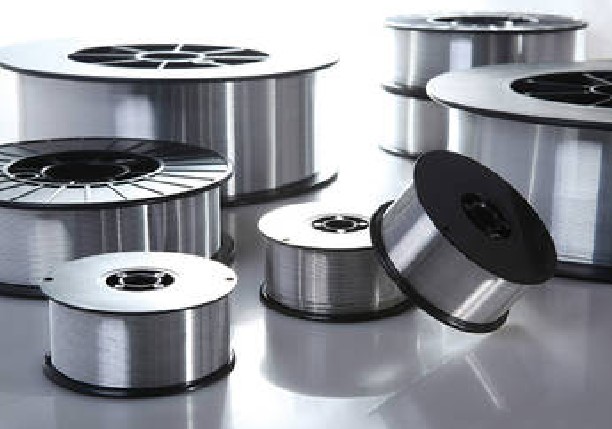 |
ER4043 Silicon Aluminum Welding Wire | 卖方: 868776 | Hangzhou Kunli Welding Materials Co., Ltd. specializes in manufacturing high-quality welding mate... |
 |
Choosing the Right Equipment for Heavy-Duty Cleaning | 卖方: Taizhou Feike Mechanical Technology Co., Ltd. | FEIKE’s High Pressure Washer is designed for industrial cleaning, equipment maintenance, ve... |
 |
ER4043 Silicon Aluminum Welding Wire | 卖方: 868776 | Hangzhou Kunli Welding Materials Co., Ltd. offers ER4043 Silicon Aluminum Welding Wire for alumin... |
 |
HDPE高速水冷双壁波纹管生产线 | 卖方: Shandong HUASU Plastic Technology Co.,Ltd. | 机头模具采用双流道结构、氮化磨光处理机头,偏壁调整方便快捷,保证内外层壁厚均匀和稳定成型。 最新设计密闭压力水冷冷却结构,冷却充分,多点分布真空系统,效率更高,生产速度更快。 双层在线扩口功... |

