

Roof-Mounted Photovoltaic Module Fire Test Apparatus,UL 790 photovoltaic roof fire test equipment

Whats/App: +86 156 1874 6768
Web: standard-groups.com
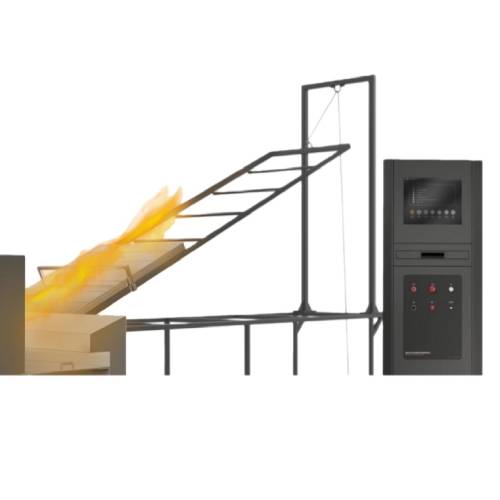
The Roof-Mounted Photovoltaic Module Fire Test Apparatus is a specialized testing system developed in accordance with GB/T 30735-2014 for evaluating the external fire performance of roof-mounted photovoltaic modules and roofing products. Based on test principles derived from ENV 1187 (t1 method) and ISO 12468-1. the apparatus simulates different fire exposure conditions such as wind influence and thermal radiation. It provides standardized test methods for assessing the external reaction to fire of roof systems and roof coverings, supporting fire safety evaluation of photovoltaic installations on roofs.
Application
The test apparatus is suitable for fire performance evaluation of roofing systems and photovoltaic installations under external fire exposure conditions. Typical applications include:
External fire reaction testing of roof-mounted photovoltaic modules
Fire performance evaluation of roof coverings and roofing assemblies
Assessment of building-integrated photovoltaic (BIPV) systems
Combustion behavior testing of roof construction materials
Fire safety research related to renewable energy installations
Type testing and compliance verification in certification and testing laboratories
Standards
The apparatus is designed to meet the requirements of the following standards:
(1) GB/T 30735-2014 – Test Method for Reaction to External Fire of Roofs and Roof Coverings
(2) ENV 1187: t1 – Test Methods for External Fire Exposure to Roofs
(3) ISO 12468-1:2013 (Method B) – Fire Performance of External Roofs and Roof Coverings — Part 1: Test Methods
(4) ISO 12468-1:2013 (Method C) – Fire Performance of External Roofs and Roof Coverings — Part 1: Test Methods
(5) UL 1703: multi-family and hotel room individual dwelling unit smoke detection monitors: electric signal detection of house dust;
(6)UL 790: standard method of fire test for roof covering materials;
(7)ASTM e 108-04: standard method of fire test for roof covering materials;
(8)NFPA 256: fire test of roof deck.
(9)IEC 61730-2 Appendix b: fire tests on PV modules.
Parameters
| Item | Specification |
|---|---|
| Radiant Panel Radiation Surface | 600 mm × 600 mm |
| Wood Crib Fire Gas Combustion Device | 1 set |
| Test Specimen Rack Angle | Adjustable, 0–50° |
| Air Duct Material | SUS304 stainless steel |
| Air Duct Thickness | 2 mm |
| Fan Airflow Capacity | Max. 250 m³/min |
| Fan Power | 5.5 kW |
| Fan Frequency Control | 3-phase 380 V, 5.5 kW |
| Air Duct Adjustable Angle | 0–35° |
| Impeller Anemometer | 3 units |
| Wind Speed Accuracy | 0.1 m/s |
Features
Frame-type structure for combustion and specimen holding systems, providing high mechanical stability.
Independent control cabinet and gas supply cabinet design, facilitating laboratory layout and improving operational safety.
Supplied with a compact stainless steel tube burner for wood shavings combustion tests.
Burner equipped with a silicon nitride igniter and UV flame detector, ensuring reliable ignition and real-time flame monitoring to prevent gas leakage.
Imported high-precision rotameter and branded pressure gauges for accurate control of fuel gas flow, combined with solenoid valves for automatic gas shutoff at the end of tests.
Specimen support frame constructed from welded metal square tubes and angle steel, ensuring rigidity during testing.
Adjustable specimen inclination angle using pneumatic actuation, allowing convenient push-button operation.
Fine honeycomb grille installed in the upper air duct and coarse honeycomb grille at the outlet to stabilize airflow.
Air duct angle adjustment driven by a ball screw and servo motor, enabling automatic and precise positioning.
Computer and dedicated software control the entire test process, ensuring convenient operation and reliable safety management.
Accessories
(1) Radiant panel assembly
(2) Wood crib fire gas combustion device
(3) Stainless steel tube burner
(4) Specimen support rack
(5) Air duct system with adjustable angle
(6) Centrifugal fan and frequency control unit
(7) Impeller-type anemometers
(8) Control cabinet and gas supply cabinet
(9) Computer and professional test software
Test Procedures
Specimen Installation
Mount the photovoltaic module or roofing specimen securely on the adjustable test rack and set the required inclination angle.
System Configuration
Adjust the air duct angle and configure the fan speed according to the selected test method and standard requirements.
Ignition and Heating
Activate the radiant panel and combustion system. For applicable tests, ignite the wood crib or burner using the silicon nitride igniter.
Fire Exposure Simulation
Expose the specimen to controlled thermal radiation and wind conditions to simulate external fire scenarios as defined in the selected method.
Monitoring and Recording
Monitor airflow velocity using the impeller anemometers and observe the combustion behavior of the specimen throughout the test.
Test Completion
After the test cycle is completed, the system automatically cuts off the gas supply and records test data for further evaluation.
Maintenance Information
Routine inspection of the burner, gas pipelines, solenoid valves, and flame detection system is recommended to ensure safe operation. The airflow system, including the fan, air duct, and honeycomb grilles, should be checked periodically for cleanliness and proper alignment. Moving components such as the specimen rack adjustment mechanism and air duct angle drive system should be maintained to ensure smooth operation. Electrical and control systems should be verified regularly according to laboratory safety procedures.
Conclusion
The Roof-Mounted Photovoltaic Module Fire Test Apparatus provides a standardized and reliable solution for evaluating the external fire reaction performance of roof-mounted photovoltaic modules and roofing products. By simulating fire exposure conditions involving thermal radiation and wind effects, the system meets the requirements of GB/T 30735. ENV 1187. and ISO 12468-1. Its stable structure, precise airflow control, and automated operation make it suitable for fire safety research, product certification, and compliance testing.
在线联系供应商
Other supplier products
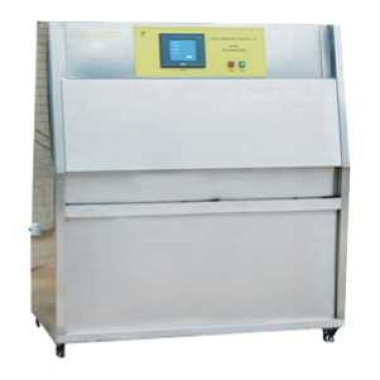 |
UV Aging Test Chamber | Whats/App: +86 156 1874 6768 Web: standard-groups.com The UV aging test chamber is suitable for all kinds of geo-synthetics, such as light resist... |
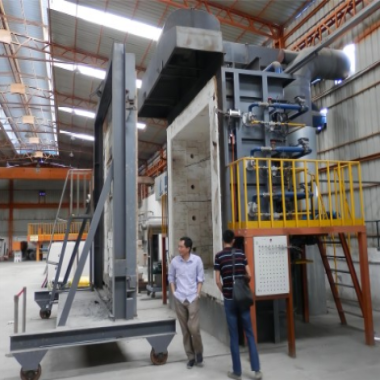 |
INTERMEDIATE SCALE INDICATIVE FIRE RESISTANCE TEST FURNACE | Whats/App: +86 156 1874 6768 Web: standard-groups.com INTERMEDIATE SCALEINDICATIVEFIRERESISTANCE TESTFURNACE Standards EN 1363-1 , ISO 834 F... |
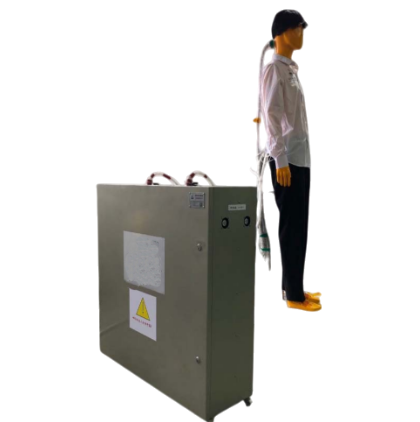 |
Dry Type Human Thermal Manikin for Comfort Analysis | Whats/App: +86 156 1874 6768 Web: standard-groups.com Application The 16-Segment Heated Thermal Manikin is used in the following application are... |
 |
Single Station Jounce Tester Manufacturer | Automotive Suspension Fatigue Testing Machine China | Get a quote: Whats/App: +86 156 1874 6768 Web: standard-groups.com Features Simulates real-world vertical vibration loads with sinusoidal motio... |
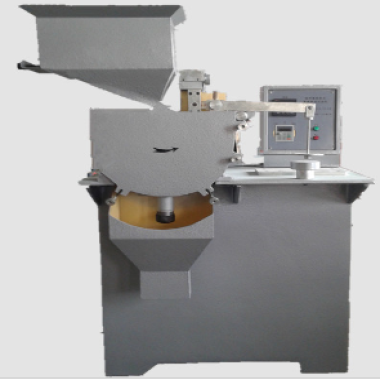 |
Dry Sand Rubber Wheel Wear Tester | Whats/App: +86 156 1874 6768 Web: standard-groups.com The dry sand rubber wheel abrasion tester is mainly used to test the abrasion resistance of... |
Same products
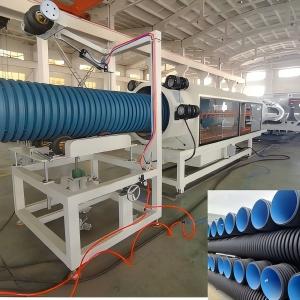 |
HDPE高速水冷双壁波纹管生产线 | 卖方: Shandong HUASU Plastic Technology Co.,Ltd. | 机头模具采用双流道结构、氮化磨光处理机头,偏壁调整方便快捷,保证内外层壁厚均匀和稳定成型。 最新设计密闭压力水冷冷却结构,冷却充分,多点分布真空系统,效率更高,生产速度更快。 双层在线扩口功... |
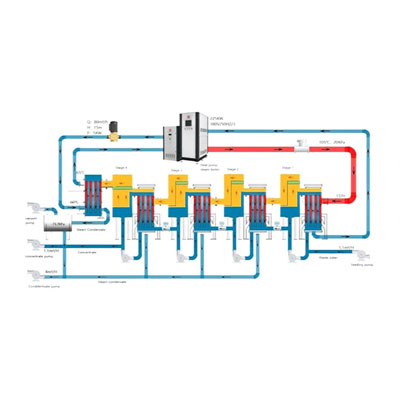 |
PanEVAP & MVR system | 卖方: Yangzhou Panstar Heat Exchanger Equipment Co., Ltd | A multiple-effect evaporator is a device that efficiently uses steam heat to evaporate water. Wat... |
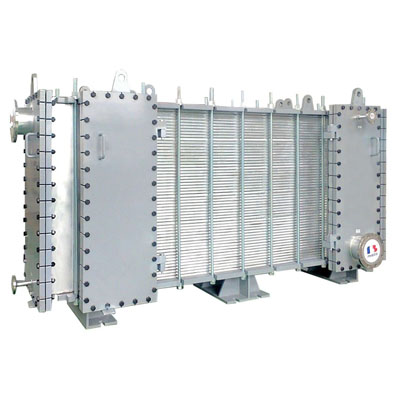 |
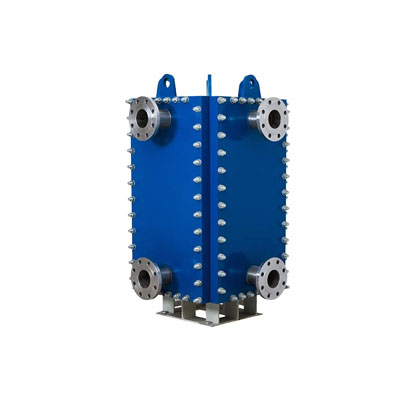
PanGAP wide gap welded plate heat exchanger | 卖方: Yangzhou Panstar Heat Exchanger Equipment Co., Ltd | PanGAP wide gap welded plate heat exchangerconsists of a welded plate pack with different channel... |
 |
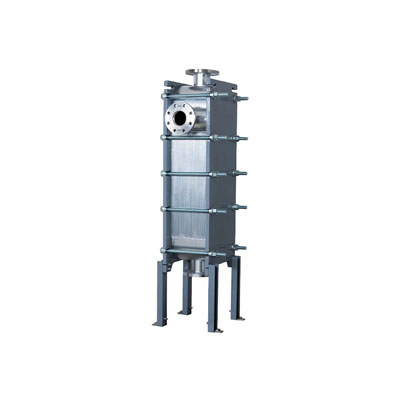
PanBloc welded plate heat exchanger | 卖方: Yangzhou Panstar Heat Exchanger Equipment Co., Ltd | PanBloc welded plate heat exchangeris compact and efficient, although fully welded, is totally ac... |
 |
PanBox welded plate heat exchanger | 卖方: Yangzhou Panstar Heat Exchanger Equipment Co., Ltd | PanBox welded plate heat exchangerconsists of a laser welded plate pack with optimized corrugated... |

