

Autocatalytic Decomposition Temperature Tester with Thermal Insulation,autocatalytic decomposition temperature measurement

Whats/App: +86 156 1874 6768
Web: standard-groups.com
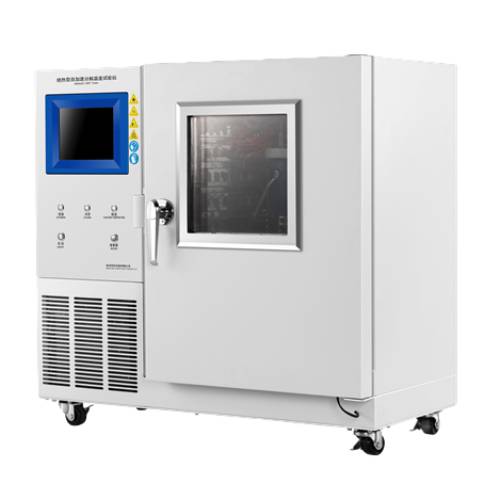
The Autocatalytic Decomposition Temperature Tester with Thermal Insulation (Adiabatic SADT Tester) is a critical instrument for evaluating the thermal hazards of energetic chemicals. By precisely determining the rate of heat generation as a function of temperature under adiabatic conditions, this equipment allows you to calculate the Self-Accelerating Decomposition Temperature (SADT). This data is essential for characterizing how a substance behaves within its packaging, ensuring safety during transport and storage. Whether you are dealing with IBCs, tanks, or small containers, this tester provides the foundational thermal loss data required to prevent catastrophic thermal runaway.
Applications
The Autocatalytic Decomposition Temperature Tester with Thermal Insulation is a core device for assessing the thermal hazards of chemicals, used to determine a substance's heat release rate as it changes with temperature. The measured heat release parameters, combined with thermal loss data for the relevant package, are used to determine the substance's autocatalytic decomposition temperature within its container. This method is applicable to all types of containers, including intermediate bulk containers and tanks.
Features
1) Embedded processor with Windows CE operating system.
2) 8-inch LCD touchscreen for real-time display of test status.
3) Built-in air circulation system ensures uniform and stable chamber temperature.
4) Digital PID algorithm precisely controls heating temperature with high accuracy.
5) Equipped with a cooling system to prevent sample overheating and potential explosions.
6) Auxiliary safety device provides overheat protection, automatically shutting off the heating system at a predetermined temperature.
7) Instrument fault detection and audible/visual alarm functions ensure enhanced test safety.
8) Features an explosion-proof glass observation window on the front and a pressure relief door on the rear. Internal thrust exceeds 2.5 kgf; opening the pressure relief door ensures safer testing.
9) Displays real-time operating duration and temperature, automatically plots test curves, and allows access to raw data.
10) Offers versatile test selection; users can configure parameters based on sample characteristics.
11) Fully automated testing process requires no manual intervention, supporting parameter settings, data storage, and report viewing.
Parameters
| Item | Specifications |
| Operating Environment | (-5 ~ 45)°C, <95% RH |
| Chamber Temperature Control Range | -20°C ~ 220°C |
| Temperature Control Accuracy | ±1°C |
| Sample Temperature Measurement Range | (-50 ~ 500)°C |
| Sample Temperature Measurement Resolution | 0.1°C |
| Sample Temperature Measurement Accuracy | ±(2.5或0.0075×|t|)℃ |
| Dewar Flask Capacity | 1 L |
| Constant Power Adjustment Range | 0.1W ~ 2W |
| Constant Power Accuracy | ≤0.015W |
| Temperature Rise Rate Range | 0 ~ 2°C |
| Refrigerant Circulation Rate | ≥3 L/min |
| Dewar Flask Material | Glass inner liner |
| Instrument Dimensions (L×W×H) | 930mm × 545mm × 875mm |
Accessories
Glass Dewar Flask (1L): High-insulation vessel for adiabatic containment.
High-Precision Temperature Probes: Specialized sensors for sample and environment monitoring.
Coolant Circulation Kit: Pumps and hoses for the active cooling system.
Pressure Relief Door Assembly: Rear-mounted safety mechanism.
Software Suite: Pre-installed Windows CE testing and reporting software.
Test Procedures
1. Power-Up and System Self-Test
Connect the power supply and activate the control panel (typically an 8-inch touchscreen).
The system automatically performs a self-test: verifying the Dewar flask's airtightness, air circulation system, explosion-proof window status, and temperature sensor communication.
2. Sample Loading
Place the sealed sample at the center of the Dewar flask, ensuring good contact with the temperature probe.
Close and lock the explosion-proof glass observation window. Initiate the vacuum/inert gas purge procedure (if applicable).
3. Parameter Setup
Select test mode: Adiabatic Mode, compliant with UN H.2 standards.
Set initial temperature (typically room temperature or estimated SADT lower limit). Default heating rate is 0.1°C/min (cannot be manually increased).
Enable “Automatic Data Logging” to capture real-time sample temperature, ambient temperature, and heat flux changes.
4. Operation and Monitoring
After experiment initiation, the system enters unattended mode.
Key Monitoring Indicators:
Sample temperature sustained rise rate > 0.5°C/min → Triggers self-accelerating decomposition warning
Temperature difference (sample-environment) > 5°C → Identified as thermal runaway precursor
The system automatically plots a time-temperature curve and stores raw data (supports exporting CSV or PDF reports).
5. Experiment Termination
When the sample temperature reaches a plateau phase or triggers a safety shutdown threshold (e.g., ≥220℃), the system automatically powers down and initiates a cooling procedure.
Only after the equipment has cooled to room temperature may the observation window be opened to retrieve the sample.
在线联系供应商
Other supplier products
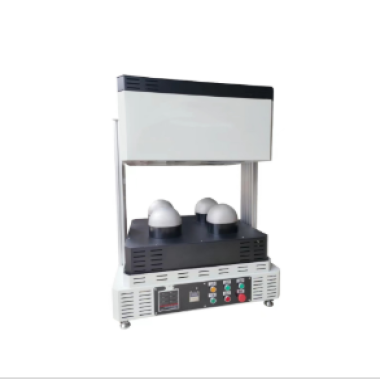 |
Safety Helmet High Temperature Pre-Treatment Chamber | Whats/App: +86 156 1874 6768 Web: standard-groups.com The safety helmet high-temperature pre-treatment chamber is manufactured according to the G... |
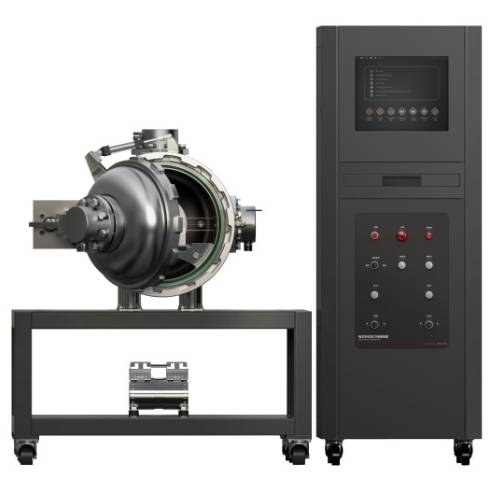 |
Battery Cell Test Pressure Vessel,battery safety testing pressure chamber\ | Whats/App: +86 156 1874 6768 Web: standard-groups.com The Battery Cell Test Pressure Vessel is designed for thermal runaway testing of battery ce... |
 |
Wall Coating Stain Resistance Test Equipment ASTM D1308 Standard | Get a quote: Whats/App: +86 156 1874 6768 Web: standard-groups.com Application Evaluate stain resistance of paints, varnishes, and coatings on ... |
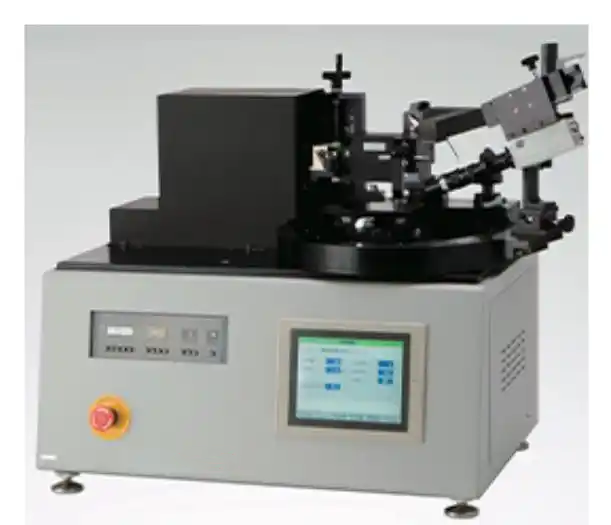 |
Variable Load Friction and Wear Test System | Whats/App: +86 156 1874 6768 Web: standard-groups.com Application Friction and wear performance evaluation of metallic materials Wear resistanc... |
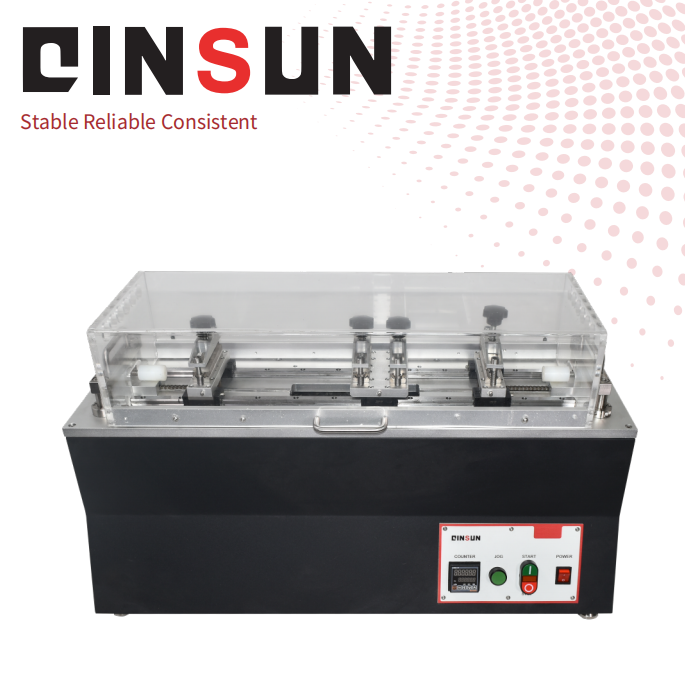 |
Leather Seam Fatigue Tester Manufacturer | Factory Direct Supply ISO Standard Testing Machine | Get a quote: Whats/App: +86 156 1874 6768 Web: standard-groups.com Features Quad-Testing Stations: Independent clamping mechanisms for parallel... |
Same products
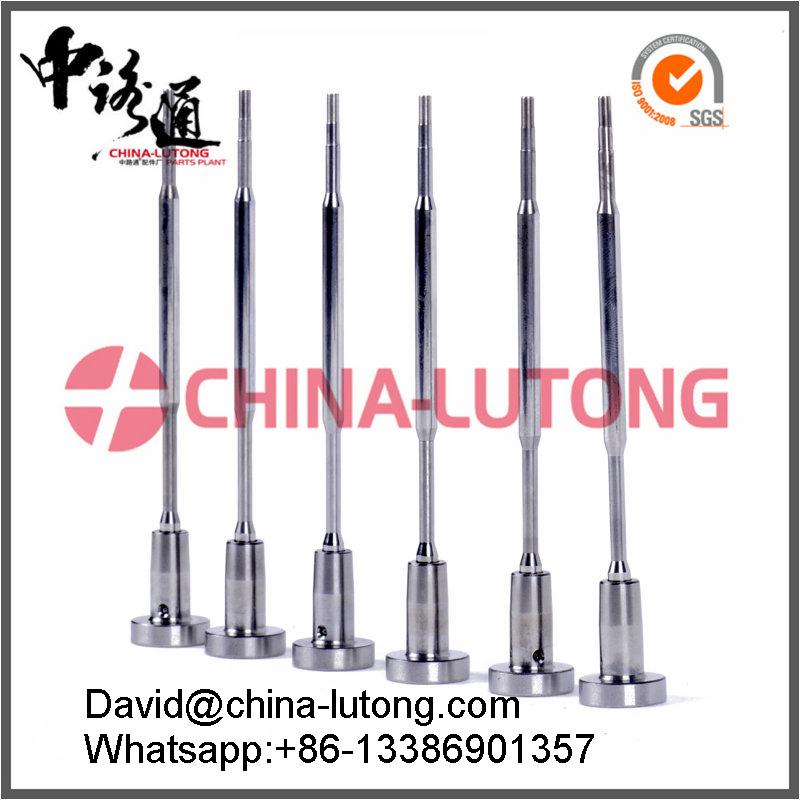 |
Common Rail Injector Valve F00R J02 012 | 卖方: 868983 | Common Rail Injector Valve F00R J02 012 David Chen |
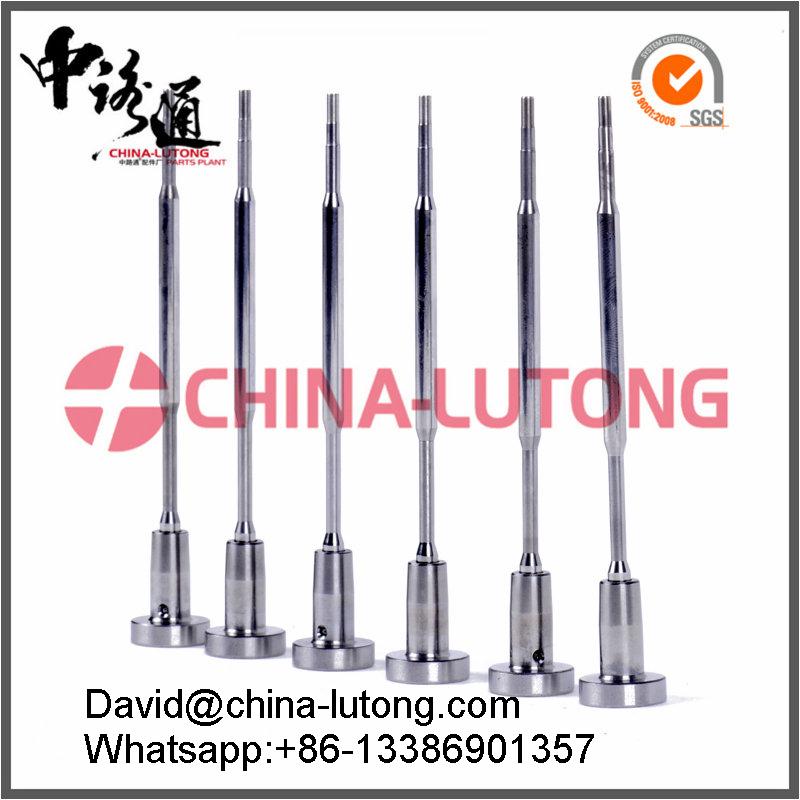 |
Common Rail Injector Valve F00R J02 005 | 卖方: 868983 | Common Rail Injector Valve F00R J02 005 David Chen |
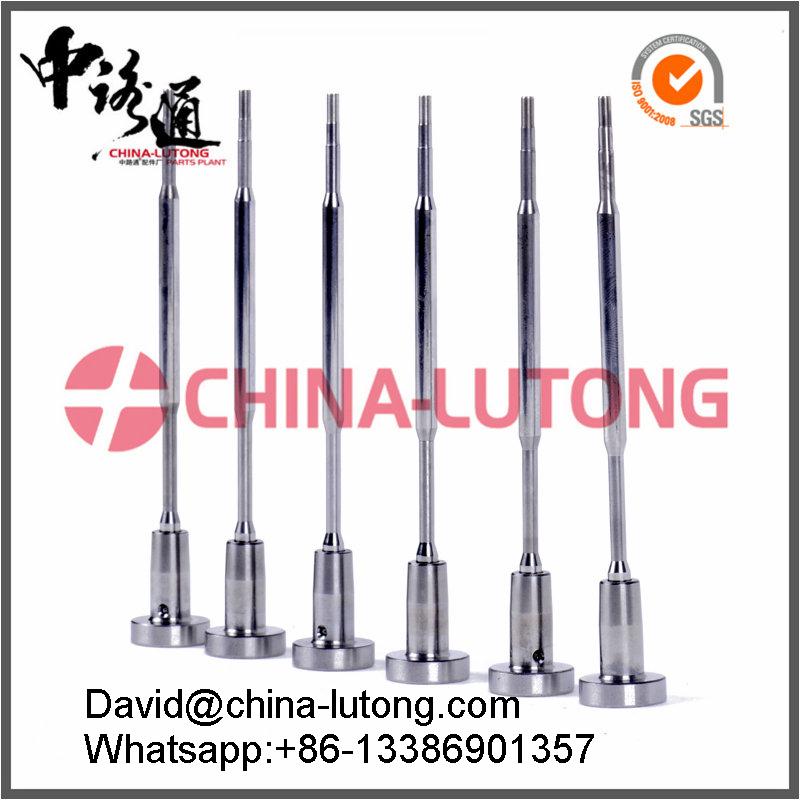 |
Common Rail Injector Valve F00R J01 945 | 卖方: 868983 | Common Rail Injector Valve F00R J01 945 David Chen |
 |
Common Rail Injector Valve F00R J01 941 | 卖方: 868983 | Common Rail Injector Valve F00R J01 941 David Chen |
 |
Common Rail Injector Valve F00R J01 924 | 卖方: 868983 | Common Rail Injector Valve F00R J01 924 David Chen |

