

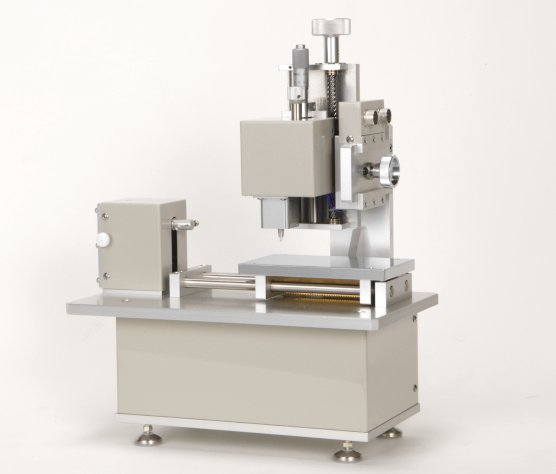
Surface Roughness/Friction Tester STD-SESRU, ASTM D1894 anti-wear property tester for fabric

Whats/App: +86 156 1874 6768
Web: standard-groups.com
The Surface Roughness / Friction Tester is an upgraded version of the FB4-A instrument, designed to evaluate the frictional feel and surface roughness of materials by simulating human touch. It quantifies “smoothness,” “slip,” and “roughness” through measurements of friction coefficient (MIU), friction coefficient deviation (MMD), and surface roughness (SMD). This instrument is suitable for fabrics, hair, and other soft-touch materials, providing objective data to support tactile performance evaluation.
Application
You can use this instrument to measure and analyze surface friction and roughness for a wide range of materials:
Textiles: fabrics, gauze, nonwovens.
Hygiene products: diapers, sanitary napkins, and other soft materials.
Cosmetic packaging: assess smoothness and tactile quality.
Hair testing: analyze softness and smoothness of human or animal hair.
Furniture and automotive interiors: leather, synthetic leather, seat materials, and other surfaces requiring frictional evaluation.
Standards
This instrument supports the following international and national testing standards:
(1) GB/T 12602-1990 – Textile friction performance test methods
(2) ASTM D1894-14 – Determination of static and kinetic coefficient of friction of plastics
(3) ISO 8295:1995 – Plastics, films and sheets: Determination of friction coefficient
(4) JIS L1096-1999 – General methods for textile testing
Parameters
| Parameter | Specification |
|---|---|
| Device Dimensions / Weight | Main unit: W320 × D200 × H390 mm / 10 kg; Electronic amplifier: W180 × D400 × H400 mm / 12 kg |
| Power Supply | AC 100 V, max 30 W |
| Operating Environment | 20–30°C, 50–70% RH (Standard: 20°C, 65% RH) |
| Testing Method | Friction coefficient, friction coefficient deviation (MMD), surface roughness (SMD) |
| Load Range | 200 gf (standard), 1000 gf (low sensitivity) |
| Measurement Accuracy | Friction: ±0.5% FS; Surface roughness: ±1.0% FS |
| Maximum Displacement | 30 mm (effective 20 mm) |
| Sample Size | 30 × 270 mm (standard) |
| Friction Sensor Size | 10 × 10 mm (single measurement) |
| Measurement Speed | 1. 2. 5. 10 mm/sec (adjustable) |
| Roughness Contact | 0.5 mm metal wire, 5 mm contact width |
Features
(1) Rapid testing: Simulates fingertip friction signals for fast and intuitive tactile assessment.
(2) Comprehensive measurements: Simultaneously evaluates friction coefficient, friction deviation, and surface roughness.
(3) Realistic tactile simulation: Advanced sensor design closely mimics fingertip perception of friction.
(4) High precision: Ensures accurate measurement for demanding tactile performance testing.
(5) Wide applicability: Suitable for textiles, hair, leather, and other soft-touch materials.
Accessories
(1) Friction measurement sensor (10 × 10 mm)
(2) Surface roughness contact element (0.5 mm metal wire)
(3) Electronic amplifier
(4) Power adapter (AC 100 V)
Test Procedures
Sample installation: Fix the sample on the test platform, ensuring full contact with the sensor.
Parameter setup: Select appropriate measurement speed and sensitivity.
Testing: Start the instrument; it automatically measures friction coefficient (MIU), friction deviation (MMD), and surface roughness (SMD).
Data reading: Review results on the digital display. MIU, MMD, and SMD values provide a complete tactile evaluation.
Data recording: Save measurements digitally for analysis or reporting.
Maintenance Information
Keep sensors and contact elements clean to ensure accurate readings.
Regularly check calibration for friction and roughness sensors.
Avoid exposure to excessive humidity or heat.
Handle sensors and moving components carefully to prevent wear or damage.
在线联系供应商
Other supplier products
 |
Custom Leakage negative pressure tester for infusion device | Whats/App: +86 156 1874 6768 Web: standard-groups.com Application The tester is suitable for leakage testing of medical infusion devices in the ... |
 |
Automatic catheter vacuum leak apparatus | Whats/App: +86 156 1874 6768 Web: standard-groups.com Standards GB 15812.1 - 2005 :Non - Vascular Intravascular Catheters - Part 1: General Perf... |
 |
Whole shoe breathability and heat preservation testing machine | Whats/App: +86 156 1874 6768 Web: standard-groups.com Standard SATRA TM376: Thermal insulation testing of footwear with sock integration. SAT... |
 |
Metal ring friction and wear testing device | Whats/App: +86 156 1874 6768 Web: standard-groups.com Evaluate the wear resistance of the material: By simulating the friction process, real-tim... |
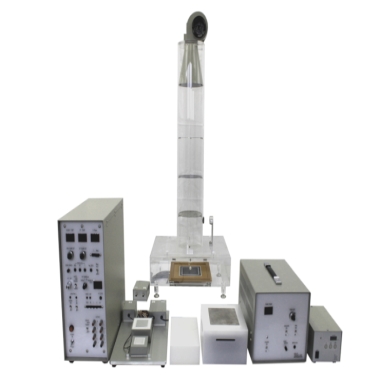 |
Contact heating and cooling tester STD-F7 | Whats/App: +86 156 1874 6768 Web: standard-groups.com The sensation of coldness or warmth when skin touches a fabric is referred to as the "coldn... |
Same products
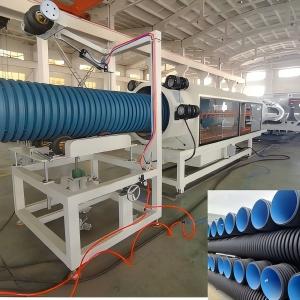 |
HDPE高速水冷双壁波纹管生产线 | 卖方: Shandong HUASU Plastic Technology Co.,Ltd. | 机头模具采用双流道结构、氮化磨光处理机头,偏壁调整方便快捷,保证内外层壁厚均匀和稳定成型。 最新设计密闭压力水冷冷却结构,冷却充分,多点分布真空系统,效率更高,生产速度更快。 双层在线扩口功... |
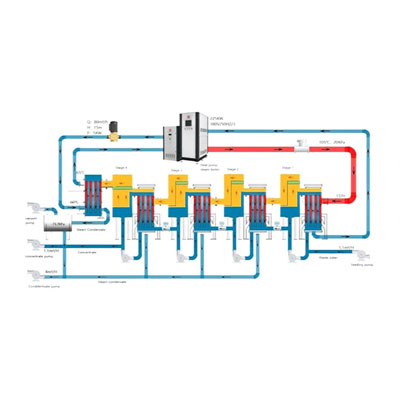 |
PanEVAP & MVR system | 卖方: Yangzhou Panstar Heat Exchanger Equipment Co., Ltd | A multiple-effect evaporator is a device that efficiently uses steam heat to evaporate water. Wat... |
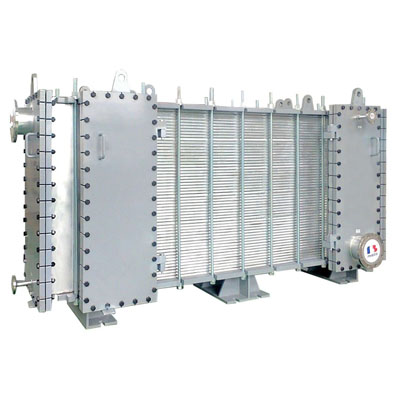 |
PanGAP wide gap welded plate heat exchanger | 卖方: Yangzhou Panstar Heat Exchanger Equipment Co., Ltd | PanGAP wide gap welded plate heat exchangerconsists of a welded plate pack with different channel... |
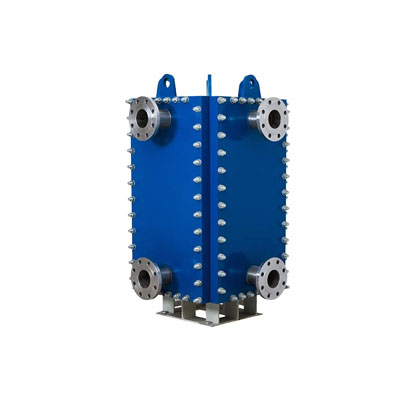 |
PanBloc welded plate heat exchanger | 卖方: Yangzhou Panstar Heat Exchanger Equipment Co., Ltd | PanBloc welded plate heat exchangeris compact and efficient, although fully welded, is totally ac... |
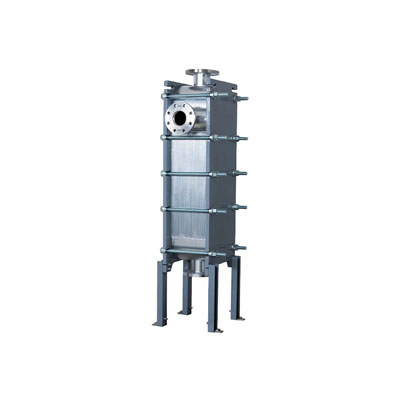 |
PanBox welded plate heat exchanger | 卖方: Yangzhou Panstar Heat Exchanger Equipment Co., Ltd | PanBox welded plate heat exchangerconsists of a laser welded plate pack with optimized corrugated... |

