

Catheter Burst Pressure Tester

Whats/App: +86 156 1874 6768
Web: standard-groups.com
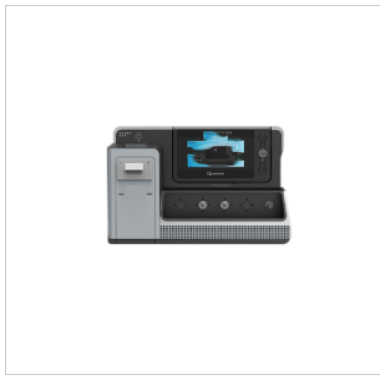
The Catheter Burst Pressure Tester uses the positive pressure method and is designed according to the relevant clauses of Appendix F of YY0285.1-2017 and YY0285.4-2017. It is used to test the rated burst pressure (RBP) of the catheter, the balloon fatigue test without leakage or damage during filling, the balloon decompression time test, and the test of the relationship between filling diameter and filling pressure.
Applications
The catheter burst pressure tester is a key device used to evaluate catheter performance in the medical field. Its main uses include: Evaluating Catheter Pressure - Resistance Performance: By simulating high - pressure conditions in actual usage scenarios, gradually increasing the pressure applied to the catheter until it bursts, and recording the pressure at which the catheter bursts, the pressure - resistance performance of the catheter can be evaluated.
Quality Control: During the production process of catheters, the tester can be used in the quality - control process. It helps manufacturers conduct performance tests on each batch of catheters to ensure that every catheter meets the quality standards. Medical Device R & D: In the R & D stage of medical devices, the tester can be used to evaluate the performance of catheters made of different materials and with different design schemes in high - pressure environments, providing a basis for the optimized design of products.
Third - Party Testing and Certification: The tester is also widely used in third - party testing institutions and quality certification institutions, providing technical support for the certification and quality inspection of medical devices.
Standards
YY/T 1536-2017:Catheters other than intravascular catheters — Standard test model for evaluating the surface sliding performance
YY 0285.1-2017:Disposable sterile urinary catheters — Part 1: General requirements
Features
1. High-Precision Measurement: The tester employs high-precision pressure and flow sensors to accurately measure flow and pressure data during dynamic injection, ensuring reliable test results.
2. Real-Time Monitoring and Feedback: The tester features real-time monitoring capabilities, enabling timely detection of problems during injection, such as leaks or blockages, and providing corresponding feedback. This helps doctors or operators take timely measures to ensure patient safety.
3. Automated Operation: The tester utilizes an automated control system, simplifying the testing process, reducing human error, and improving testing efficiency and accuracy.
4. Flexibility and Adaptability: The tester is suitable for different sizes and types of intravascular catheters, meeting the needs of various dynamic injection scenarios. Furthermore, it can be customized to meet specific testing requirements.
Technical Parameters
| Technical Parameter | Specification |
|---|---|
| Testing Accuracy | With a high - precision measurement system, the error is generally not more than ±2%FS (full - scale error). This ensures the accuracy and reliability of the test results. |
| Testing Flow | Some testers may have the function of testing flow, and the flow range is generally 0 - 500ml or other applicable ranges. Flow testing helps evaluate the performance of catheters during power injection. |
| Water Bath Temperature | During the testing process, the water bath temperature is generally controlled at 37°C±1°C or 37°C±2°C to simulate the human body temperature environment. This helps ensure the accuracy and comparability of the test results. |
| Data Recording and Display | The tester should have a data - recording function and be able to store multiple groups of test data. Meanwhile, the test data should be presented in the form of charts or curves to enable users to intuitively understand the performance of catheters. |
| Automated Control | Some testers are equipped with automated control systems, which can automatically complete the testing process and reduce errors caused by human operations. This improves the testing efficiency and accuracy. |
Accessoriess
1. One main unit
2. Constant temperature bath: ambient temperature +8-99 degrees Celsius, temperature fluctuation ±1℃
3. One acrylic water tank, 1500mm in length
4. Luer connectors: 2 sets, including 1 male and 1 female connector
5. One instruction manual
6. One certificate of conformity
7. One power cord
8. One laptop computer (optional)
9. Metrology: One calibration certificate from a metrology institution.
Test Procedures
Precautions and safety precautions must be taken to protect test operators from the dangers of pressurization system failure and fluid leakage under high pressure.
1. Prepare the test catheter using clinically relevant pretreatments. For example, pre-soak in physiological saline, contact with commonly used injectable solutions, or sterilize.
2. Bring the chamber fluid temperature to (37±2)°C and maintain this temperature during the test.
3. Connect the catheter hub to the connector and secure it firmly with a locking device (if applicable).
4. Ensure that any gas inside the catheter has been expelled with fluid, then seal the catheter with clamps.
5. Check the hydraulic circuit for integrity and leaks.
6. Immerse the catheter in the circulating chamber fluid for at least 1 minute before the test to allow it to reach thermal equilibrium.
7. Adjust the hydraulic power source to supply fluid to the test catheter at a rate of 1 mL/s to generate sufficient pressure to cause the catheter to leak or burst. For alternative equipment, the manufacturer should select a pressure increment rate to control the test equipment, ensuring accurate measurement of the static burst pressure.
8. Inject fluid into the closed conduit until the conduit leaks or bursts.
9. While pressurizing the system, record the conduit seat pressure and note its maximum achievable pressure.
在线联系供应商
Other supplier products
 |
Safety Helmet Chin-strap Strength Tester | Whats/App: +86 156 1874 6768 Web: standard-groups.com The Safety Helmet Chin-strap Strength Tester is designed to evaluate the tensile strength a... |
 |
Steam jet durability testing machine | Whats/App: +86 156 1874 6768 Web: standard-groups.com The Steam Jet Test Chamber is designed to evaluate the durability and performance of materi... |
 |
Pressure Transmission Flow Meter Test Instrument | Whats/App: +86 156 1874 6768 Web: standard-groups.com The Pressure Transmission and Flow Tester is widely used in multiple fields and is mainly u... |
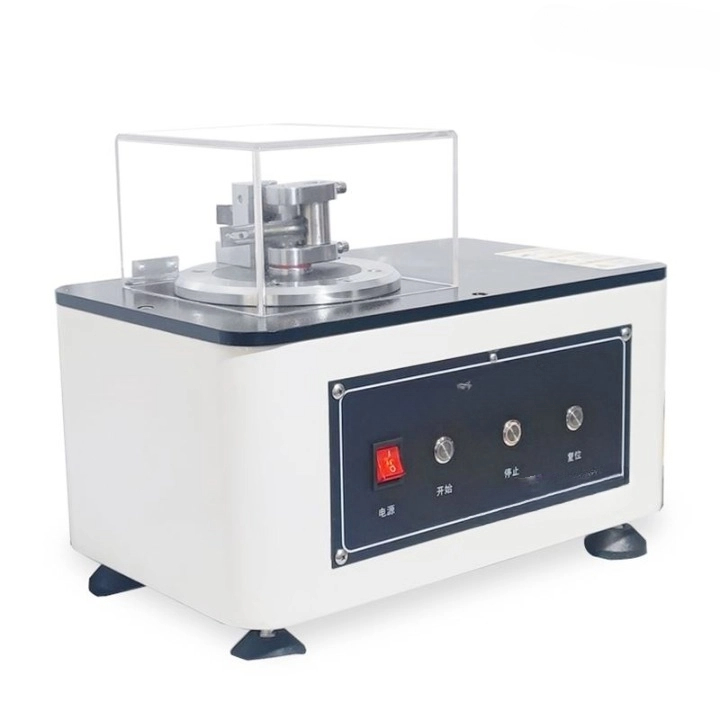 |
Steel Hook Strength & Bend Resistance Tester Supplier | Get a quote: Whats/App: +86 156 1874 6768 Web: standard-groups.com Applications (1)Testing steel shanks or hooks used in men’s shoes, wom... |
 |
Automatic Colorfastness Rating Machine for Fabrics and Garments | Get a quote: Whats/App: +86 156 1874 6768 Web: standard-groups.com Instrument Features (1) LED active illumination with RGB imaging captures ac... |
Same products
 |
KL‑016A Benchtop High‑precision pH Meter | 卖方: 科立龙电子股份有限公司ctron Co.Ltd | Product Description: Large‑screen display with high resolution and precision for con... |
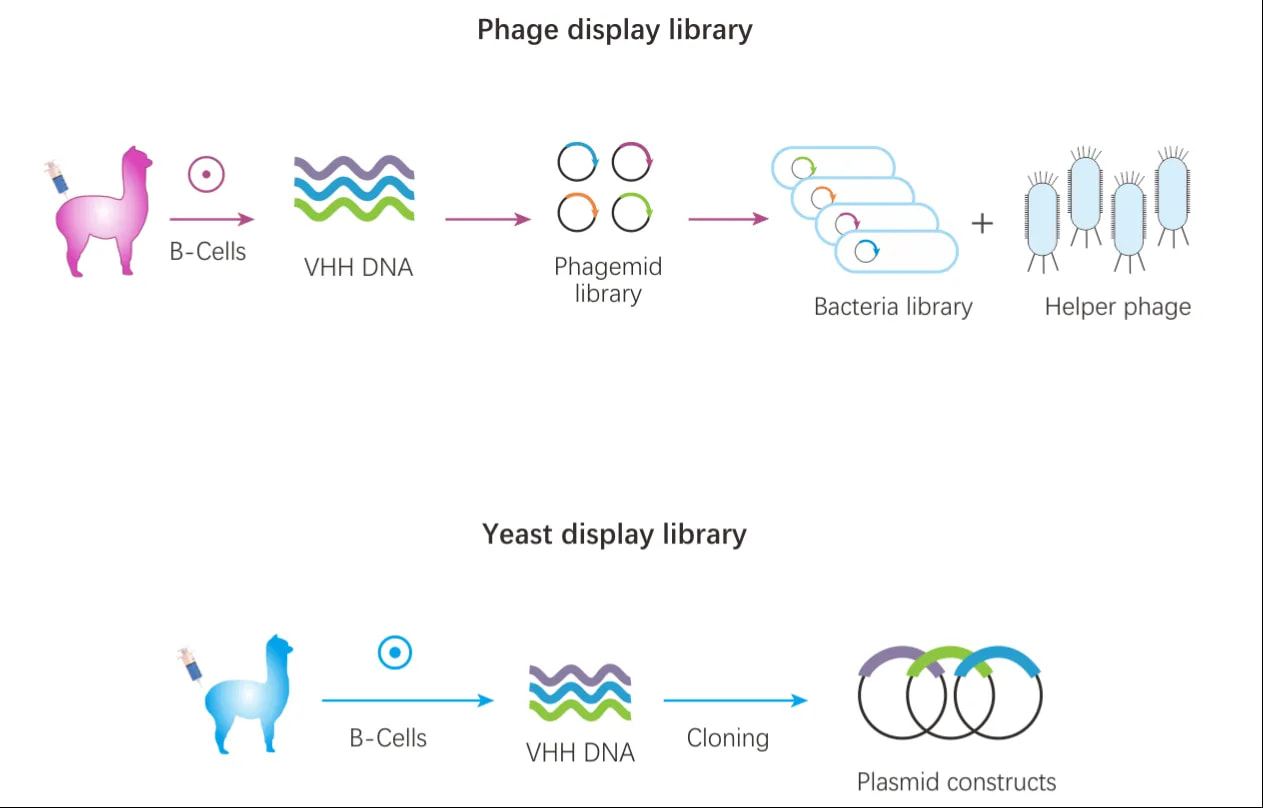 |
Large Naïve VHH Library | 卖方: AlpVHHs | Large Naïve VHH Library VHHare single-domain antibodies derived from the variable regions o... |
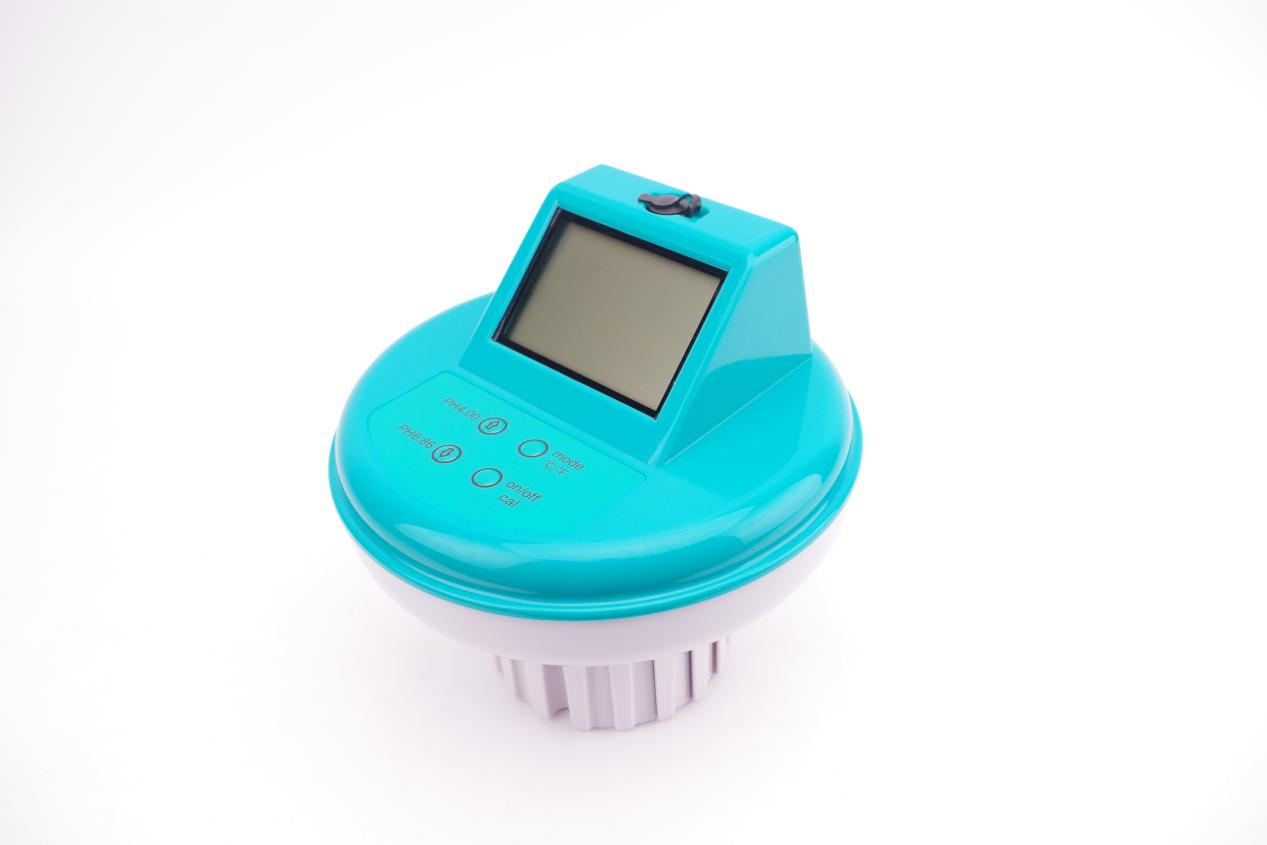 |
PH-2398 pH/EC/ORP/温度 多参数测试仪 | 卖方: 科立龙电子股份有限公司 | 大显示,可同时进行水质PH、氧化还原电位、电导率、温度的测量; 带背光LCD显示清晰,功能齐全,精度高; 仪表采用微电脑测量与控制技术,具有自动校准功能,方便实用。 内置蓝牙,可以与电脑或... |
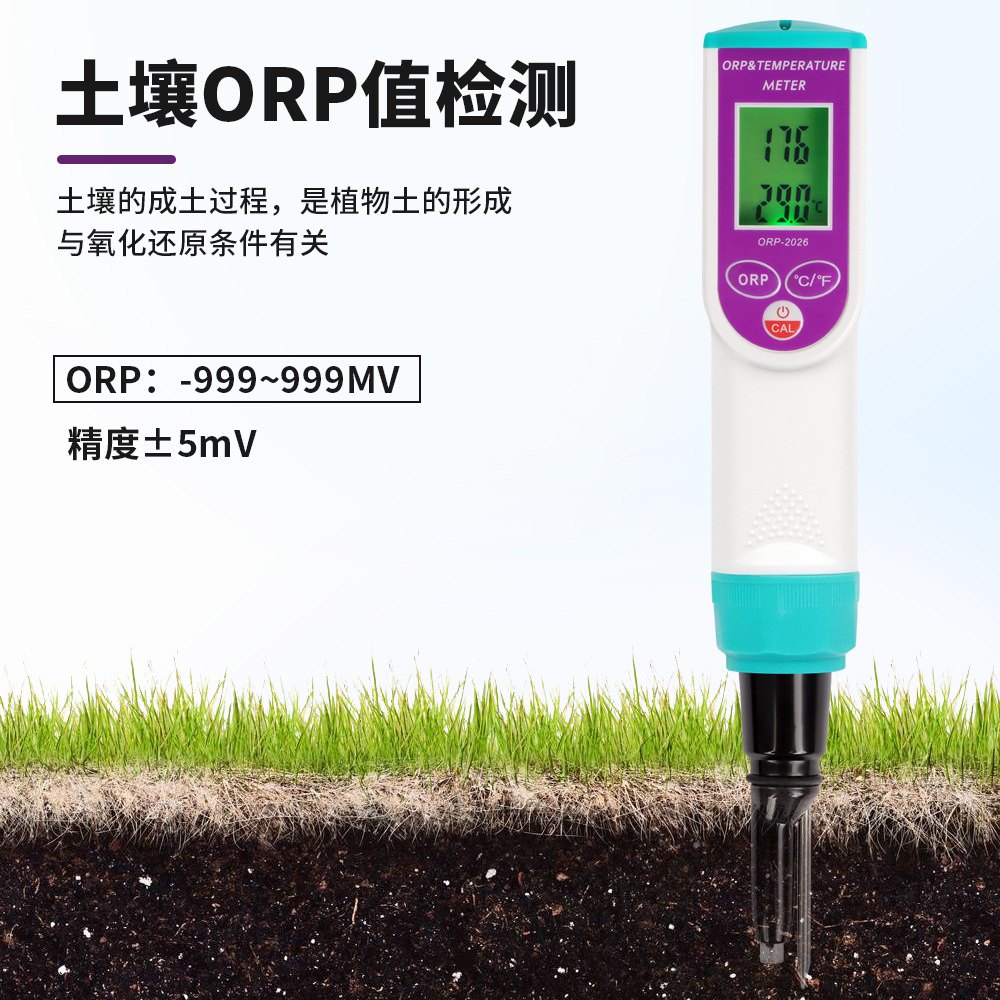 |
ORP-2026S 防水型 土壤ORP&温度 二合一测试仪 | 卖方: 科立龙电子股份有限公司 | 范围 ORP -999~999mV Temp 0~50℃ 分辨率 ORP 1mV... |
 |
防水型 EC /TDS/温度三合一参数测试仪 | 卖方: 科立龙电子股份有限公司 | 范围 EC ~19.9mS TDS Temp 0~50℃ 分辨率 ... |

