

Wet leakage current test system of photovoltaic module

Whats/App: +86 156 1874 6768
Web: standard-groups.com
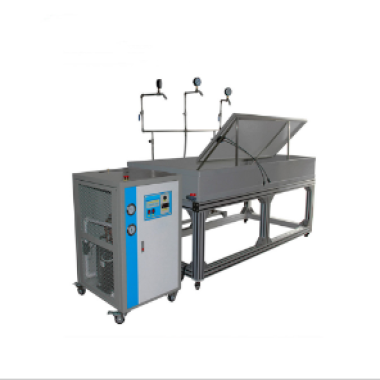
The Wet Leakage Current Test System is designed for high-precision evaluation of insulation resistance and leakage current in photovoltaic modules under simulated wet conditions. It replicates real-world rain, dew, and irrigation scenarios while providing accurate temperature control and corrosion-resistant construction, ensuring reliable PID and insulation defect testing.
Application
(1) Wet insulation resistance measurement of framed and frameless PV modules
(2) Detection of leakage currents to evaluate PID (Potential Induced Degradation) risk
(3) Qualification testing per IEC 61215 and UL 61730 standards
(4) Laboratory testing of module materials, encapsulants, and junction boxes
(5) R&D of PV module waterproofing and sealing technologies
Standards
(1) IEC 61215 – Terrestrial Photovoltaic (PV) Modules: Design Qualification and Type Approval
(2) UL 61730 – Safety Standard for Photovoltaic Modules
(3) ISO 17025 – General Requirements for the Competence of Testing and Calibration Laboratories
(4) CE Certification – Conformité Européenne
(5) Optional: IEC 60529 – Degrees of Protection Provided by Enclosures (IP Code)
Features
IEC 61215 Compliance: Maintains 22±3°C for consistent wet insulation resistance measurements.
Precise Liquid Resistivity: <3,500 Ω·cm ensures accurate leakage current detection per standard requirements.
Multi-Directional Spray Simulation: 360° adjustable nozzles with 0–10 bar flow for customizable rain/dew exposure.
Corrosion-Resistant Design: 15mm Plexiglass tank and 316L stainless steel fittings resist salt spray and UV exposure.
Safety Features: 30mA GFI and door interlock system for operator protection during wet cycles.
Smart Data Acquisition: 16-bit ADC captures microamp-level leakage currents; AI diagnostics flag insulation defects.
User-Friendly Operation: Dual-zone temperature control, 7” touchscreen HMI, remote monitoring, and self-cleaning protocols.
Modular Testing: Expandable from single-module to 10-module parallel testing.
Parameters
| Parameter | Specification |
|---|---|
| Test Tank Dimensions | 2,100 mm × 1,000 mm × 250 mm (W×D×H) |
| Tank Material | 15 mm Cast Acrylic (Plexiglass) |
| Temperature Range | 15°C to 40°C (operational) |
| Temperature Stability | ±0.5°C (at 22°C setpoint) |
| Liquid Resistivity | <3,500 Ω·cm (deionized water recommended) |
| Spray Pressure | 0–10 bar (adjustable) |
| Flow Rate | 0–15 L/min (per nozzle) |
| Power Supply | 230V AC, 50/60Hz (single-phase) |
| Dimensions (W×D×H) | 2,500 mm × 1,200 mm × 1,500 mm |
| Weight | 350 kg (net) / 450 kg (gross) |
Accessories
(1) PV module test fixtures (4 pcs, adjustable for frameless/framed modules)
(2) Insulated test leads with alligator clips (10 pcs)
(3) Software Suite: LeakTest Pro license (Windows/Linux), 1-year cloud-based I-V curve analyzer
(4) Calibration & Safety: NIST-traceable conductivity meter, emergency eyewash station (wall-mounted)
(5) Maintenance Kit: Spare acrylic tank seal, nozzle gaskets, non-corrosive tank cleaning solution
(6) Documentation: Multilingual quick-start guide (printed + digital), compliance certificates for IEC/UL/ISO standards
Test Procedures
Install PV module on test fixture and connect insulated leads to module terminals.
Fill tank with deionized water and set liquid resistivity below 3,500 Ω·cm.
Configure chamber and water temperature via HMI to 22±3°C.
Adjust nozzle orientation and spray pressure to desired testing conditions.
Initiate test sequence; system sprays water while measuring leakage current and recording data.
Monitor results in real-time through HMI or remote software interface.
Upon completion, stop spray, drain water using automated self-cleaning system, and safely remove the PV module.
Export recorded data for analysis and reporting.
Maintenance Information
Clean tank surfaces, nozzles, and PV module fixtures regularly to prevent residue buildup.
Replace acrylic seals, nozzle gaskets, and test leads as needed.
Periodically calibrate conductivity meters and data acquisition channels.
Verify GFI and door interlock functionality before each test cycle.
Maintain tank and equipment in a dry environment when not in use.
在线联系供应商
Other supplier products
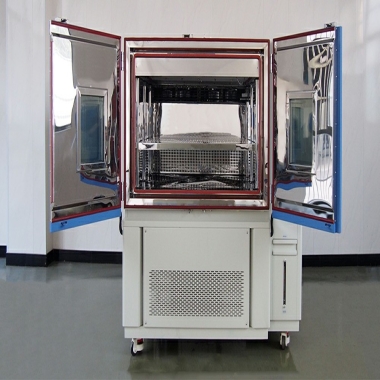 |
Weatherometer Laboratory Testing Equipment(UV) | Whats/App: +86 156 1874 6768 Web: standard-groups.com Features and Benefits 1. UVA-340. UVB-313 and other UV lamps, a single power of 40 watts... |
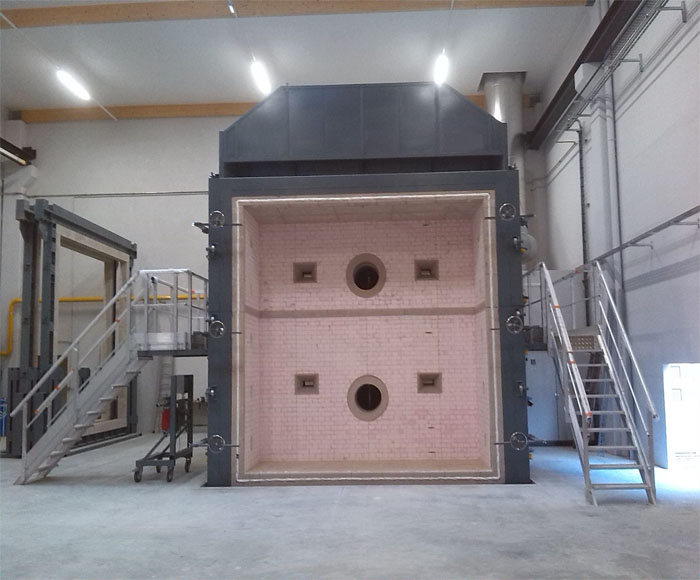 |
Advanced heat insulation test furnace for fireproof coatings | Whats/App: +86 156 1874 6768 Web: standard-groups.com Application This test furnace is suitable for determining: 1. Thermal insulation efficien... |
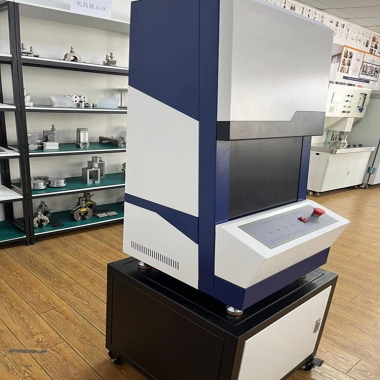 |
Rubber Non-Rotor Vulcanization Measuring Apparatus | Whats/App: +86 156 1874 6768 Web: standard-groups.com Product Introduction: Non-rotor vulcanizer is a rubber processing industry control rubber ... |
 |
ASTM D3359 Cross Hatch Adhesion Tester Manufacturer | Get a quote: Whats/App: +86 156 1874 6768 Web: standard-groups.com Features Interchangeable multi-range weights The instrument has a wide load... |
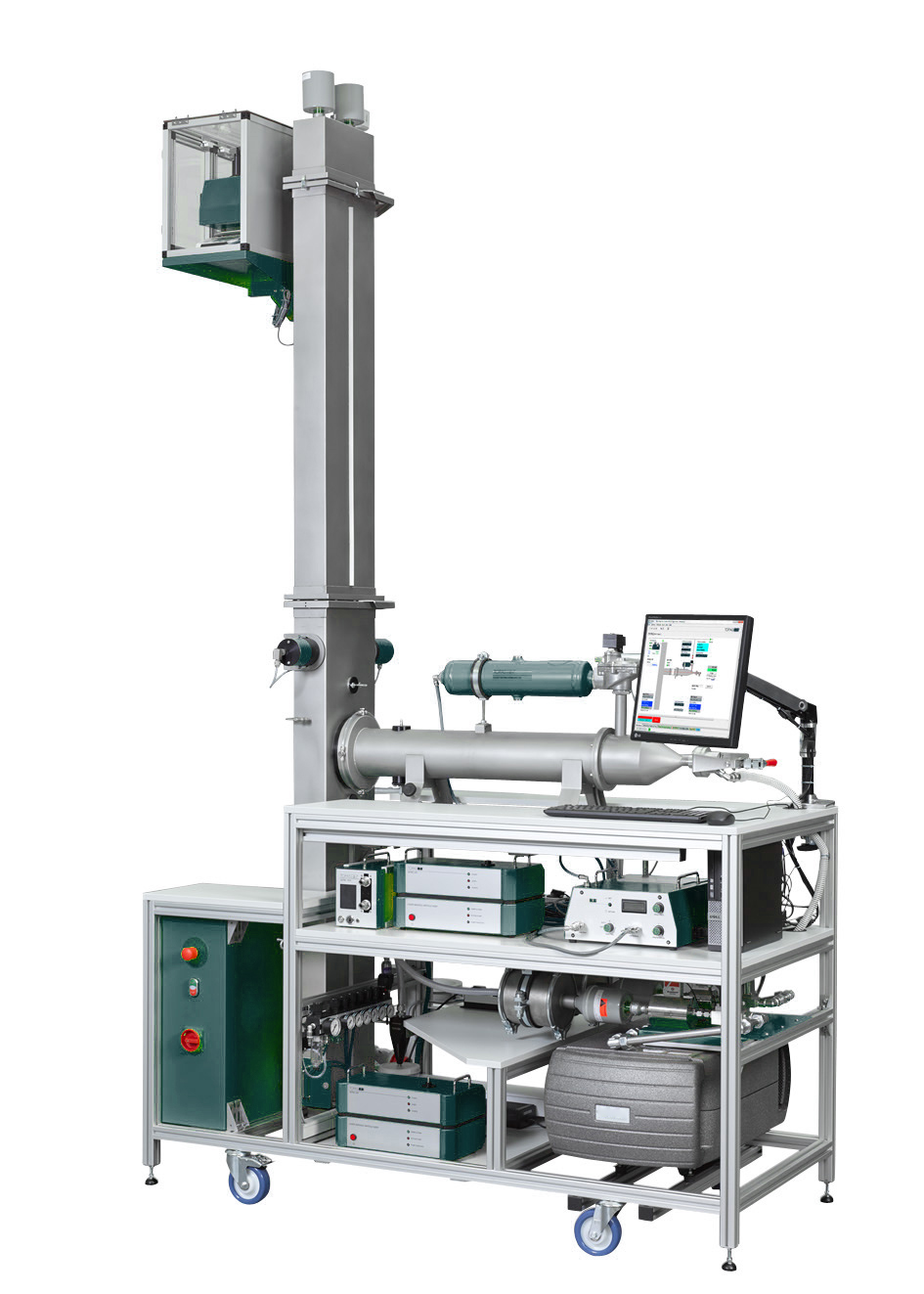 |
Filter Media Test Rig According To ISO11057,air filter efficiency and pressure drop tester | Whats/App: +86 156 1874 6768 Web: standard-groups.com The Filter Media Test Rig According to ISO 11057 is designed for reliable and repeatable te... |
Same products
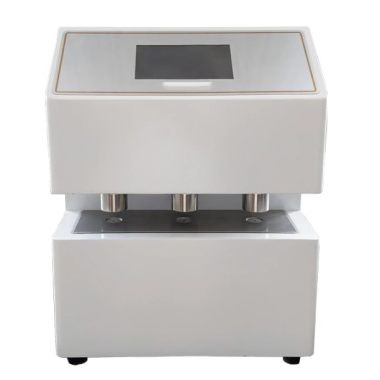 |
Battery Diaphragm Gas Permeability Tester ISO | 卖方: Standard Groups | Get a quote: Whats/App: +86 185 0176 3615 Web: qinsun-lab.com The Battery Diaphragm Gas Permea... |
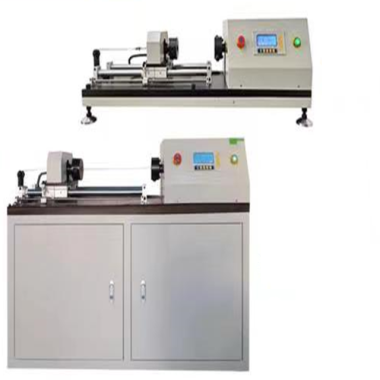 |
Torsion Testing Tester ASTM, JIS, and DIN | 卖方: Standard Groups | Get a quote: Whats/App: +86 185 0176 3615 Web: qinsun-lab.com The Universal Torsion Testing Ma... |
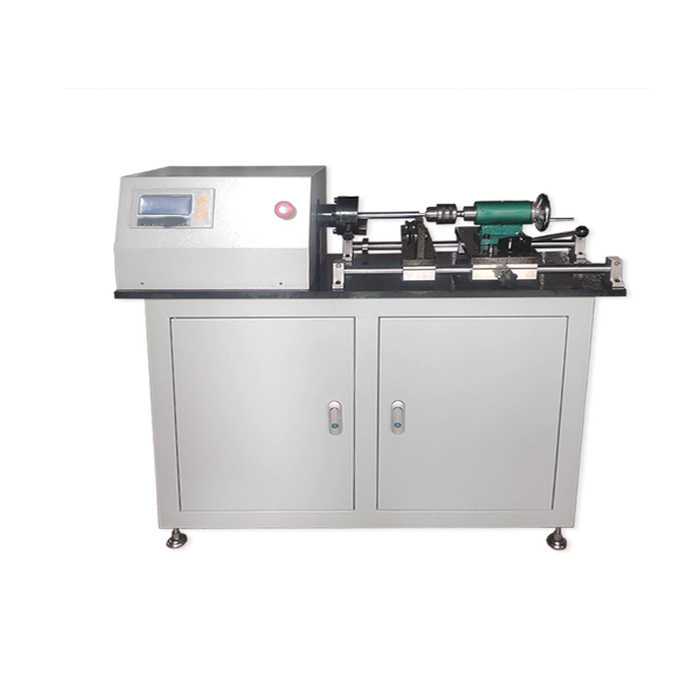 |
Wire Torsion and Winding Tester ASTM and JIS | 卖方: Standard Groups | Get a quote: Whats/App: +86 185 0176 3615 Web: qinsun-lab.com The Wire Torsion and Winding Tes... |
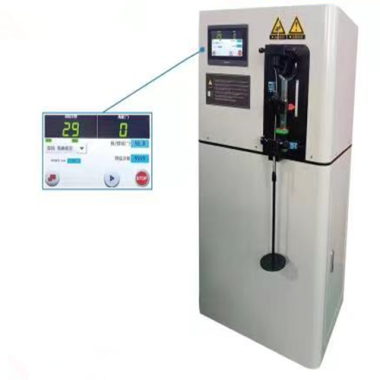 |
Metal Wire Repeated Bending Tester ISO/DIS 7801 | 卖方: Standard Groups | Get a quote: Whats/App: +86 185 0176 3615 Web: qinsun-lab.com The Metal Wire Repeated Bending ... |
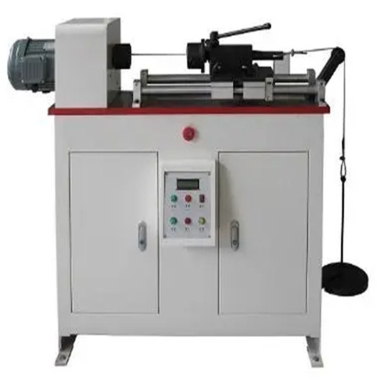 |
Metal Wire Wrap Tester ISO 4101 | 卖方: Standard Groups | Get a quote: Whats/App: +86 185 0176 3615 Web: qinsun-lab.com The Metal Wire Wrap Tester is de... |

