Self-lubricating titanium carbide guide wheels



Titanium carbide guide wheel is a high-performance transmission component made of titanium carbide as the core material. It is extremely high hardness, Rockwell hardness up to HRA85 or more, with excellent wear resistance, in high-speed operation and frequent friction conditions, can effectively reduce the surface loss and extend the service life. At the same time, the titanium carbide guide wheel has outstanding high temperature resistance, can work stably in the environment above 600℃, and has stable chemical properties, strong corrosion resistance, and is suitable for a variety of complex media environment. With good impact toughness and dimensional stability, titanium carbide guide wheels are widely used in electronic manufacturing, textile, cable production and other industries, can accurately guide the material transport, to ensure the efficient and stable operation of the production process, and significantly improve the quality and efficiency of production.
在线联系供应商
Other supplier products
 |
Precision mold coating chromium carbide powder | Chromium carbide powder has outstanding high-temperature oxidation resistance. Its oxidation rate is low below 900℃ in the air, and the formed oxid... |
 |
Stable and jitter-free titanium carbide guide wheel | Carbide titanium carbide guide wheel has a wide range of working temperature, -100 ℃ to 600 ℃ environment with stable performance, in the low-tem... |
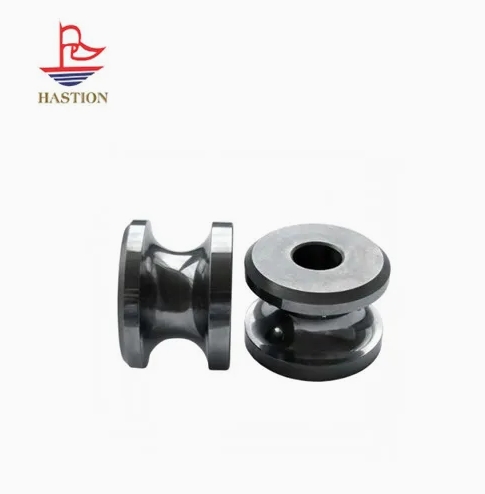 |
Titanium carbide guide wheels for cable armor processing | Hard alloy titanium carbide guide wheels are critical guiding components used in the manufacturing processes of wire and tube materials. These guid... |
 |
Heavy-duty mechanical cutting tools titanium carbide carbide rods | The anti-adhesion performance of titanium carbide round rods composed of hard alloy is excellent. When machining sticky materials such as aluminum ... |
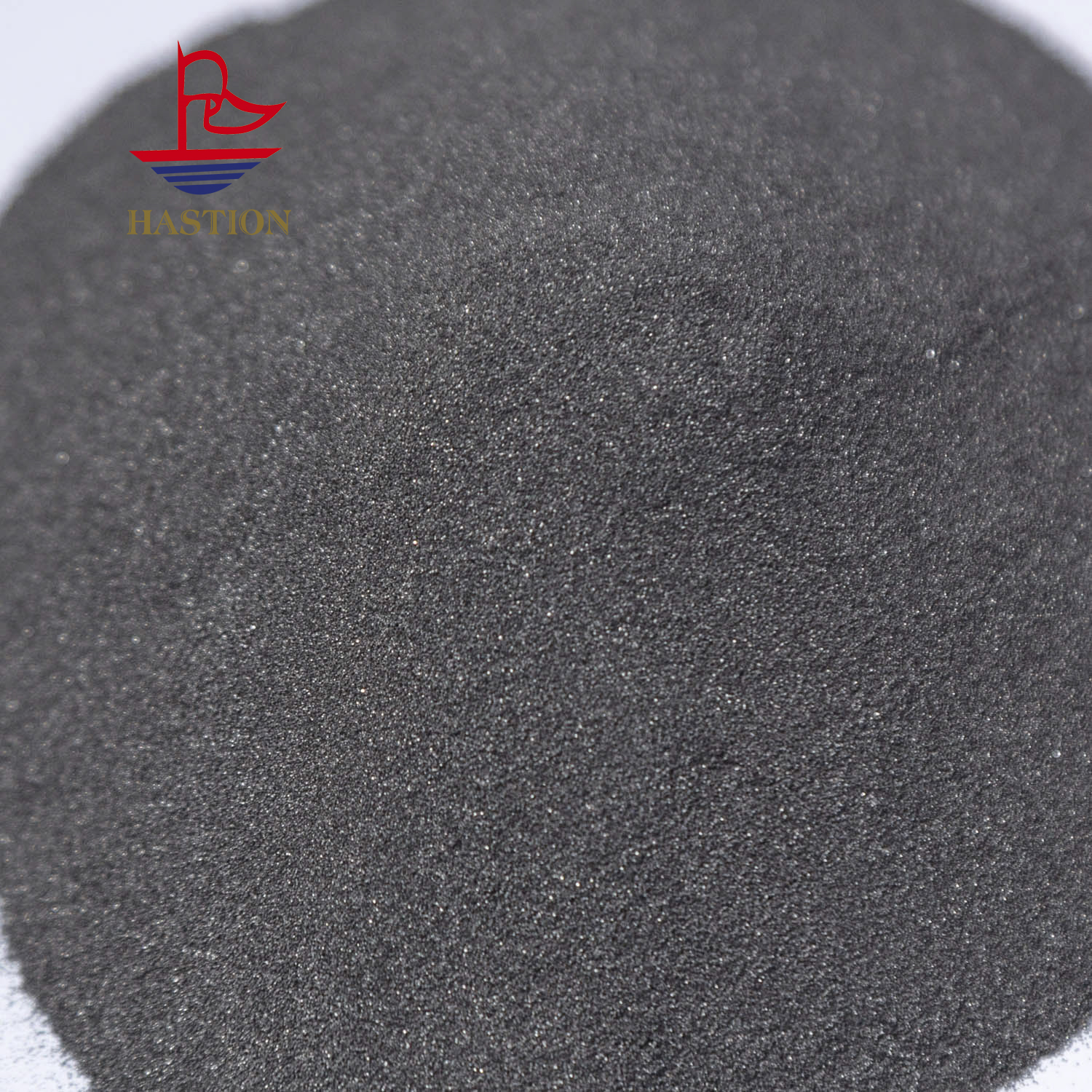 |
The core material of metal ceramics is titanium carbide powder | Titanium carbide powder has excellent oxidation resistance. It is not prone to oxidation in the air below 600℃, and the oxidation rate at 800℃ is o... |