

Phospholipid Raw Material nutrient additives

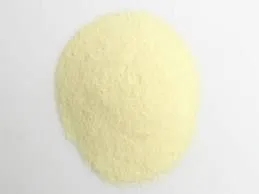
Phospholipids are a type of lipid containing phosphate groups and are classified as complex lipids. They have amphipathic properties, with one end being a hydrophilic head containing nitrogen or phosphorus and the other end being a hydrophobic (lipophilic) hydrocarbon chain. This structure allows phospholipids to function as emulsifiers, acting as a bridge between oil and water to tightly combine the two.Phospholipids are mainly sourced from animals and plants, such as egg yolks, milk, and soybeans. Among these, soybean phospholipids are one of the most commonly used sources of phospholipids in chocolate production. Soybean phospholipids are natural, safe, and easily accessible, which makes them widely applied in the food industry. In chocolate production, phospholipids help bind sugars and fats together, distributing the fat evenly on the surface of the sugar, increasing interfacial activity, reducing viscosity, and improving flowability.
Applications of Phospholipids in Chocolate Production
- Emulsification: Phospholipids prevent oil and water separation, giving chocolate a smoother texture and enhancing its mouthfeel. At the same time, phospholipids improve the brittleness of chocolate, enhancing its sensory qualities.
- Cost Reduction: Since phospholipids lower the viscosity of chocolate, they can partially replace cocoa butter, thereby reducing costs. For example, a 60-65% pure commercial phospholipid can replace approximately 9-10 parts of cocoa butter.
- Stability Improvement: Phospholipids prevent the formation of white bloom on chocolate during storage and transportation, improving product stability.
The typical amount of phospholipid added in chocolate production is between 0.3% and 0.5%. Excessive addition may affect the taste and quality of the chocolate. Phospholipids should be added gradually during the refining process; if added too early, the material becomes too thin, which affects the movement and friction of the mixture, hindering the evaporation of moisture and volatile substances. Therefore, the timing and quantity of phospholipid addition need to be determined based on the specific production process and product requirements.
As a common emulsifier in chocolate production, phospholipids play multiple roles such as emulsification, cost reduction, and stability improvement. The amount and timing of phospholipid addition should be carefully considered according to the specific production process and product requirements. Additionally, the source of phospholipids should also be monitored to ensure product safety and quality.
Send product request
Other supplier products
 |
Phosphatidylserine powder | Phosphatidylserine powder is an amino acid with various effects. It can help us to improve memory and brain excitability to some extent. It can pla... |
 |
Phosphatidyl serine Exporter | Phosphatidyl serine is a kind of phospholipid, which mainly exists in the inner layer of cell membrane and is a part of the cell membrane. In our h... |
 |
Phosphatidylserine | There is both natural and synthetic phosphatidylserine. The main source of phosphatidylserine on the market at present is natural soy phosphatidyls... |
 |
Phosphatidylserine Wholesale Price | Functions and Roles Neuronal Function: Phosphatidylserine enhances neuronal function by improving the activity of neurotransmitters and neuromodula... |
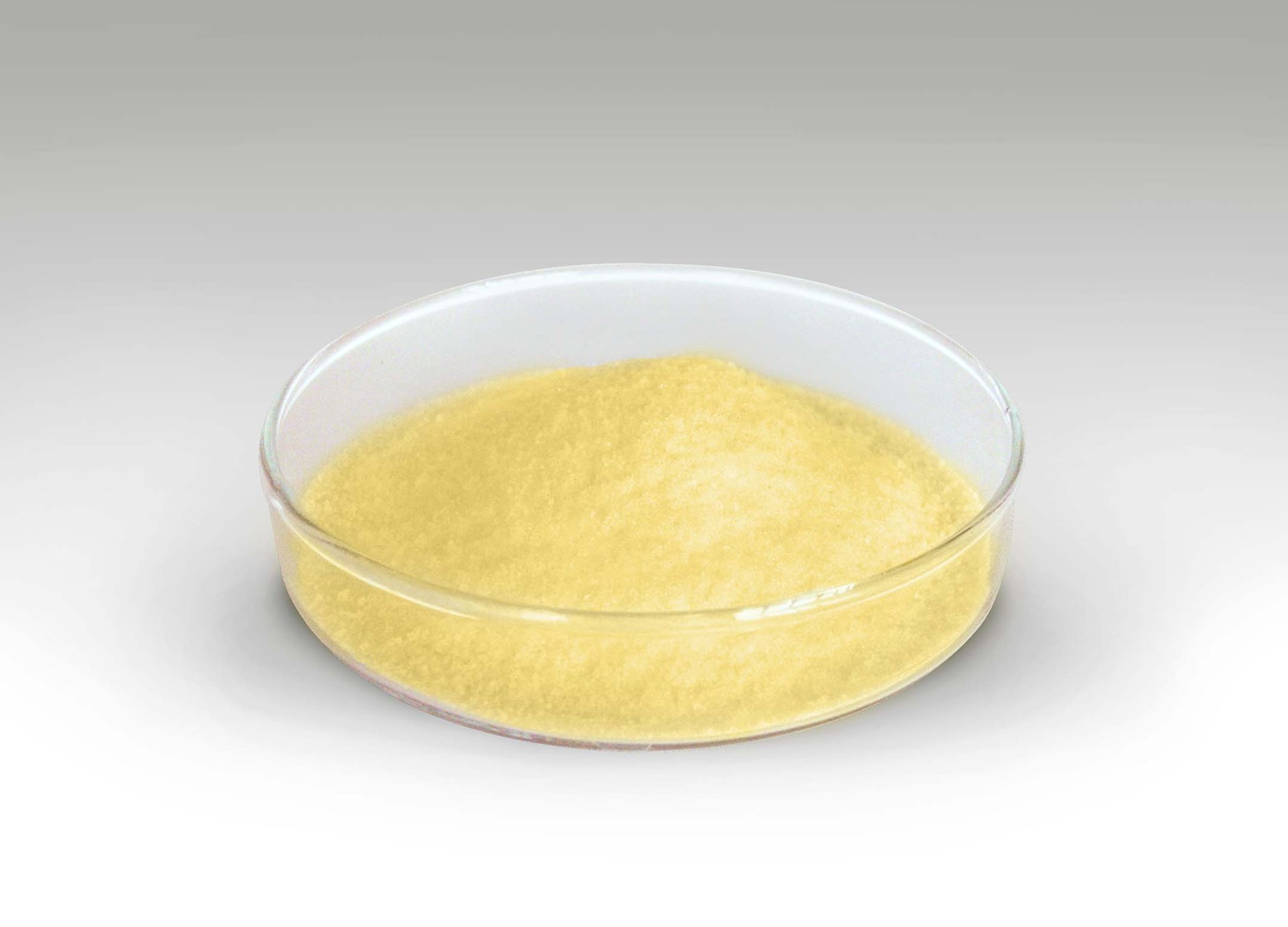 |
Phospholipid powder Food additive | Phospholipids reduce friction between food particles or between food and processing equipment, preventing sticking and improving production efficie... |
Same products
 |
Deboom Energetic Graphene Oil Additive | Seller: Shanghai Aikebao New Material Technology Co., Ltd | Asgraphene oil additive manufacturerspecializing in automotive solutions, we understand the criti... |
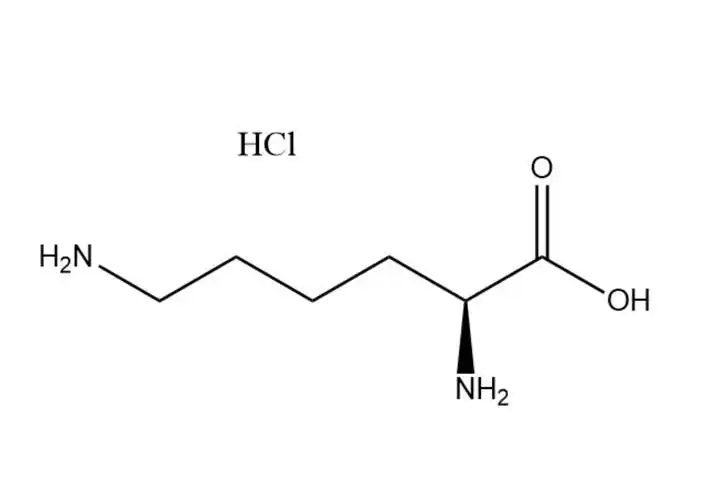 |
L-Lysine monohydrochloride as nutrient additives | Seller: Shanghai Yifu Food Ingredients Co., Ltd | Free L-lysine is highly hygroscopic—it absorbs atmospheric moisture rapidly at relative hum... |
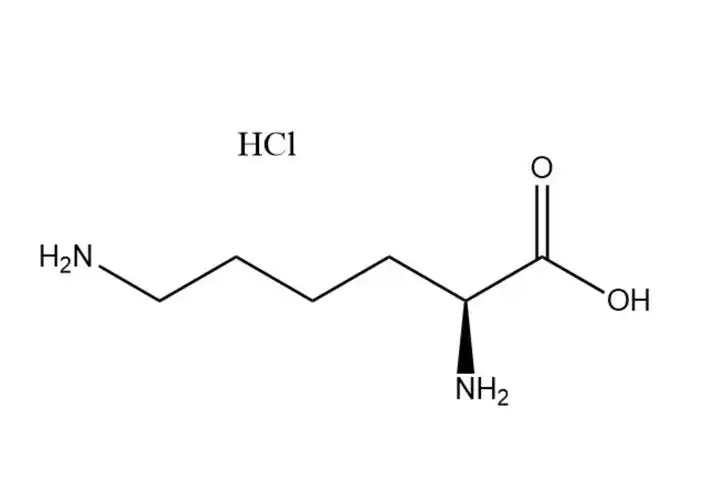 |
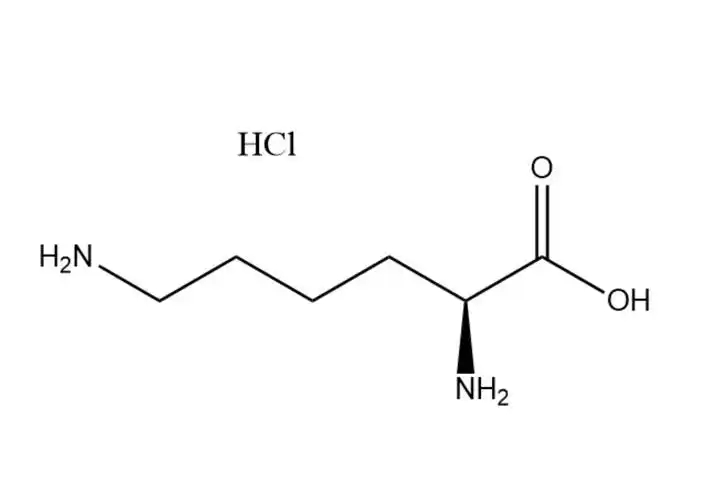
L-Lysine monohydrochloride Purchase price | Seller: Shanghai Yifu Food Ingredients Co., Ltd | L-Lysine monohydrochloridehas a higher aqueous solubility than free L-lysine: ~70 g/100 mL at 25 ... |
 |
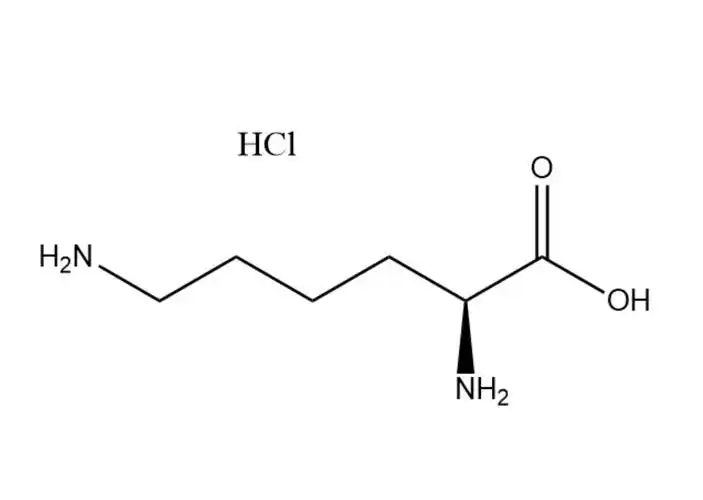
L-Lysine monohydrochloride Partners, long-termCooperation | Seller: Shanghai Yifu Food Ingredients Co., Ltd | The most prominent performance advantage ofL-Lysine monohydrochloride is its optimized physical a... |
 |
L-Lysine monohydrochloride Marke quotation | Seller: Shanghai Yifu Food Ingredients Co., Ltd | L-Lysine monohydrochloride (L-Lys·HCl) is the dominant commercial form of L-lysine—a... |

