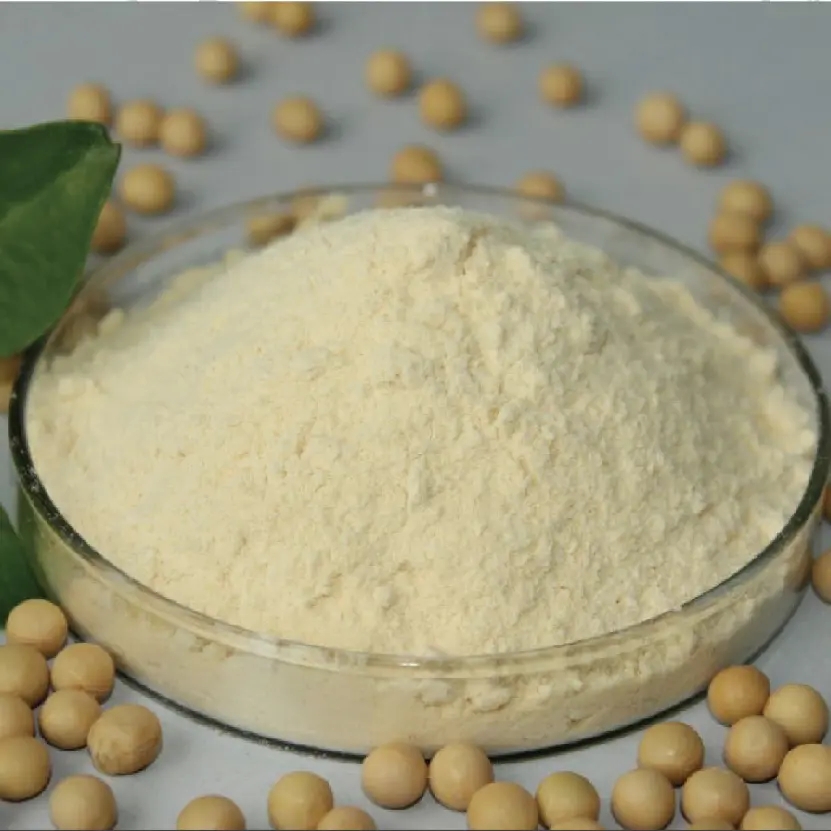
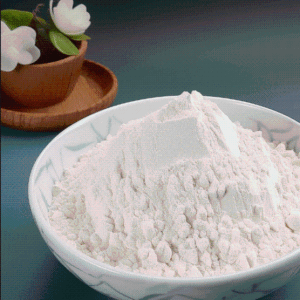
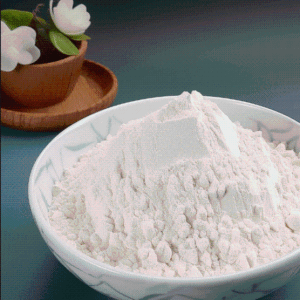
Phospholipid Powder Manufacturer
Processing Conditions and Handling of Phospholipid Powder
Temperature Control:
Phospholipids may denature or oxidize at high temperatures (e.g., above 120°C in frying or baking). Add them at the appropriate stage of processing (e.g., during cooling phases to maintain functionality).
In hot extrusion or sterilization processes, choose heat-stable phospholipid formulations (e.g., hydrogenated phospholipids).
Hydration and Dispersion:
Phospholipid powder may clump in water; pre-disperse it in oil or use a dispersant (e.g., glycerol) before adding to aqueous systems.
For emulsions, ensure proper mixing (e.g., high-shear homogenization) to achieve uniform distribution.
Storage Conditions:
Store phospholipid powder in a cool, dry place away from light and moisture (ideally at <20°C and <60% humidity).
Use within the shelf life (typically 12–24 months) to prevent rancidity or loss of functionality.
Other supplier products
|
|
phospholipids enhance the technical performance |
Beyond physiological benefits, phospholipids enhance the technical performance of functional foods, ensuring product quality and consumer acceptanc... |
|
|
Phosphatidylserine supplements |
Phosphatidylserine improves psychological performance by balancing stress responses and neurotransmitter levels, with advantages over traditional a... |
|
|
Aflatoxin adsorbent |
Aflatoxins are toxic compounds produced by certain molds, primarily Aspergillus flavus and Aspergillus parasiticus. These mycotoxins can contaminat... |
|
|
Supply Phospholipid Powder |
Phospholipids offer various health benefits. Phosphatidylcholine (PC) in phospholipids is an important precursor to the neurotransmitter acetylchol... |
|
|
Phospholipid Powder Manufacturer |
Processing Conditions and Handling of Phospholipid PowderTemperature Control:Phospholipids may denature or oxidize at high temperatures (e.g., abov... |
All supplier products
Same products