

Phospholipids as wall materials

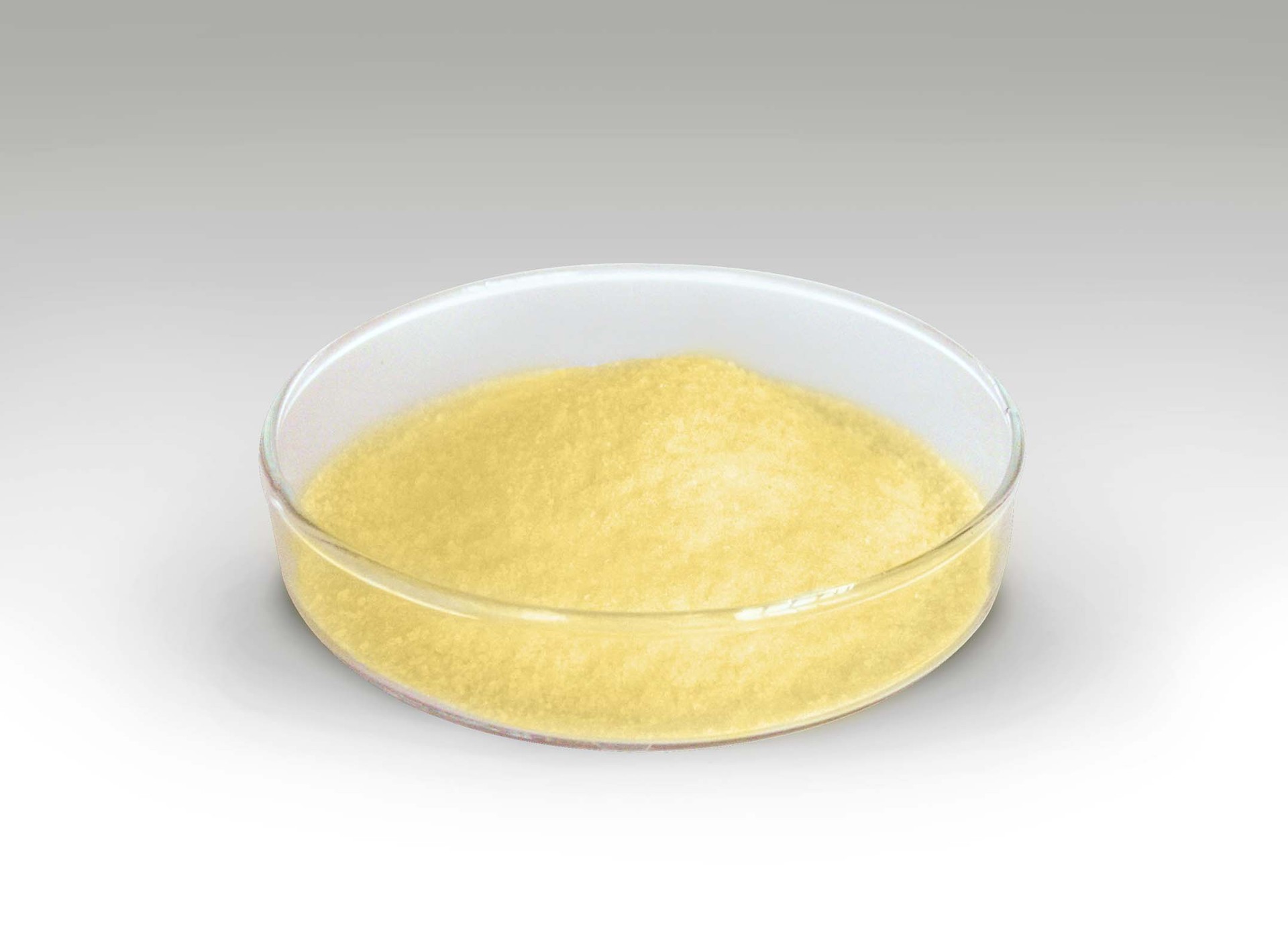
Due to their amphiphilic nature, phospholipids are used as wall materials in microencapsulation technologies to protect sensitive ingredients and improve their stability and bioavailability:
Flavor and Fragrance Encapsulation: Encapsulate volatile flavors (e.g., essential oils, natural fragrances) in food products such as beverages, candies, and baked goods, preventing evaporation and degradation, and ensuring controlled release during consumption.
Nutrient Delivery: Microencapsulate sensitive nutrients (e.g., probiotics, omega-3 fatty acids, vitamins) to protect them from harsh processing conditions (heat, acid) and improve their absorption in the gastrointestinal tract. For example, phospholipid-based microcapsules in probiotic yogurt ensure probiotic survival through stomach acid.
Send product request
Other supplier products
 |
High quality Phospholipid Raw Material | During candy production, sugar crystallization is a critical process that requires careful control; rapid or uneven crystallization can result in a... |
 |
Phospholipids as Antioxidants and Shelf Life Extenders | Phospholipids (especially those containing unsaturated fatty acids and tocopherols) exhibit mild antioxidant activity and can synergize with other ... |
 |
Phospholipids in liver-protective functional foods | Phospholipids (especially PC) are core nutrients for liver health, with proven effects in regulating lipid metabolism and repairing liver damage, m... |
 |
Phosphatidylserine Powder Purchase price | Phosphatidylserine can influence the release of stress-related hormones (such as cortisol) and regulate neurotransmitters like serotonin, thereby h... |
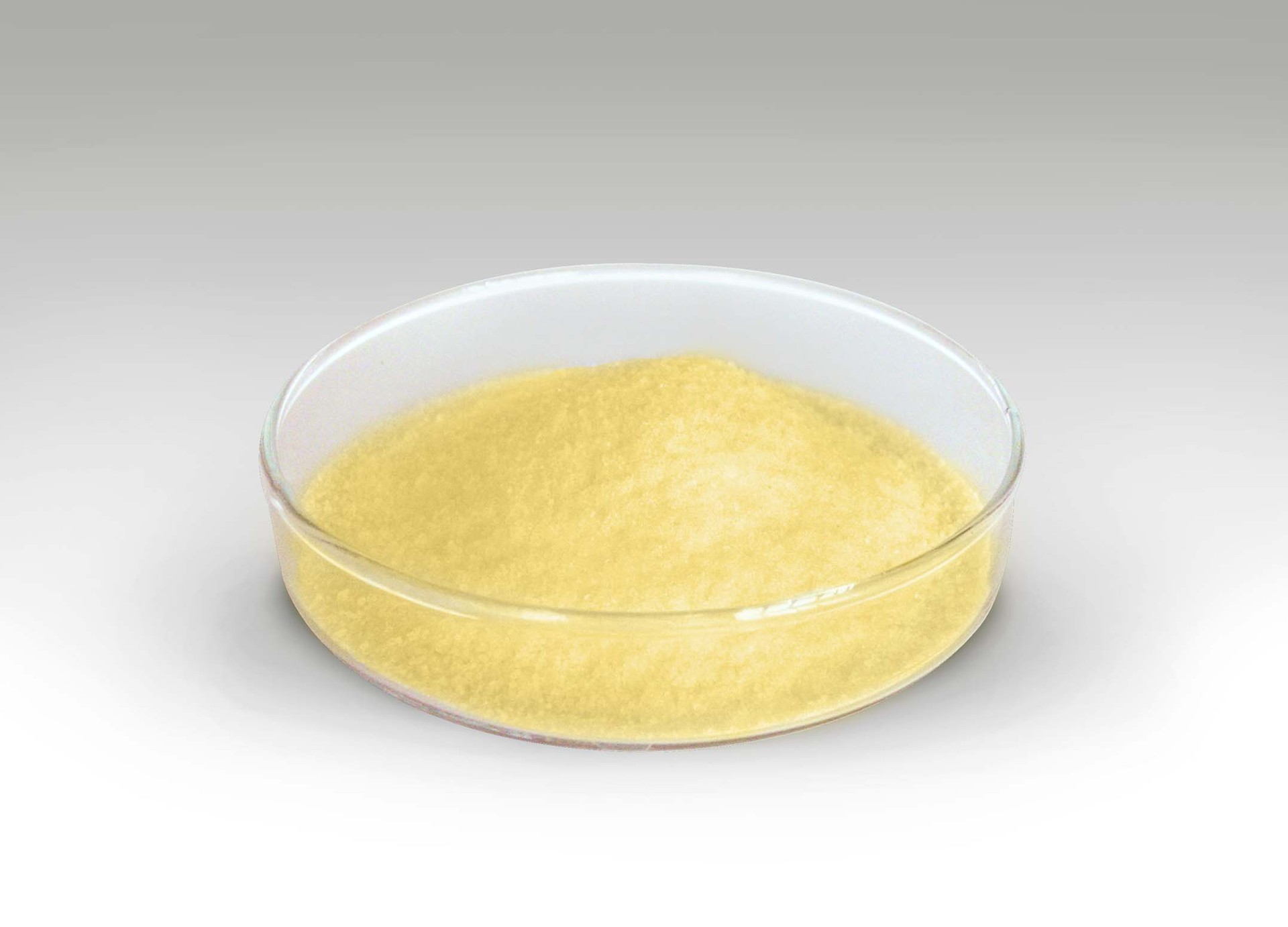 |
Phospholipids as natural amphiphilic lipids | Phospholipids, as natural amphiphilic lipids with unique structural and functional properties (combining hydrophilic phosphate groups and hydrophob... |
Same products
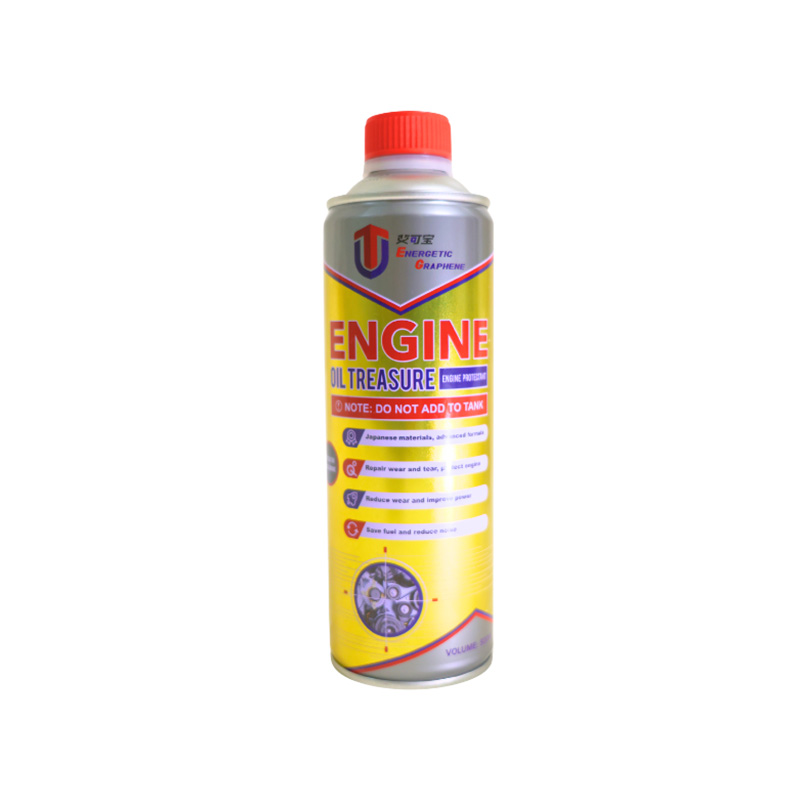 |
Deboom Energetic Graphene Oil Additive | Seller: Shanghai Aikebao New Material Technology Co., Ltd | Asgraphene oil additive manufacturerspecializing in automotive solutions, we understand the criti... |
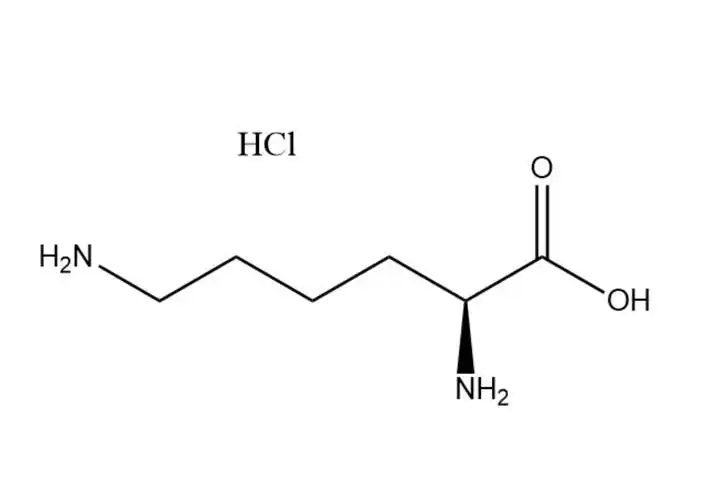 |
L-Lysine monohydrochloride as nutrient additives | Seller: Shanghai Yifu Food Ingredients Co., Ltd | Free L-lysine is highly hygroscopic—it absorbs atmospheric moisture rapidly at relative hum... |
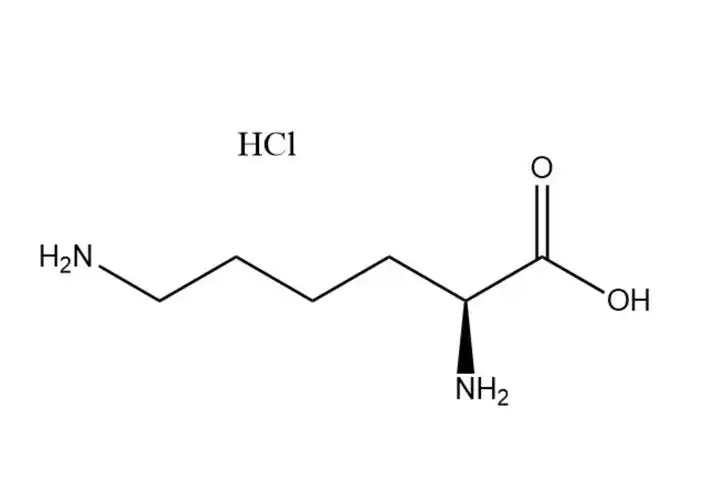 |
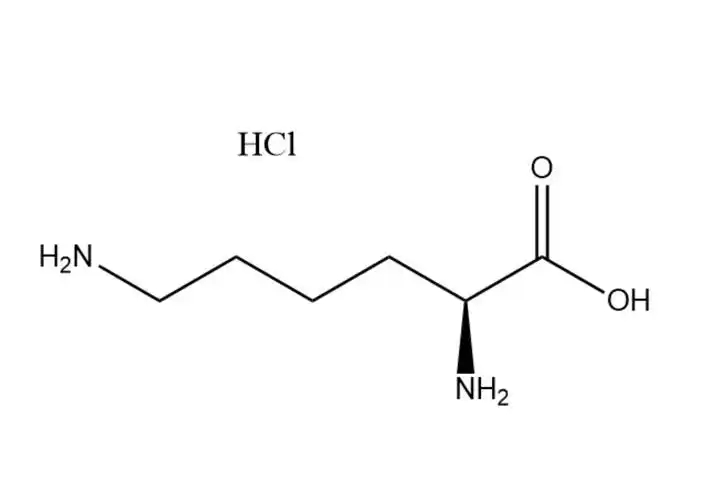
L-Lysine monohydrochloride Purchase price | Seller: Shanghai Yifu Food Ingredients Co., Ltd | L-Lysine monohydrochloridehas a higher aqueous solubility than free L-lysine: ~70 g/100 mL at 25 ... |
 |
L-Lysine monohydrochloride Partners, long-termCooperation | Seller: Shanghai Yifu Food Ingredients Co., Ltd | The most prominent performance advantage ofL-Lysine monohydrochloride is its optimized physical a... |
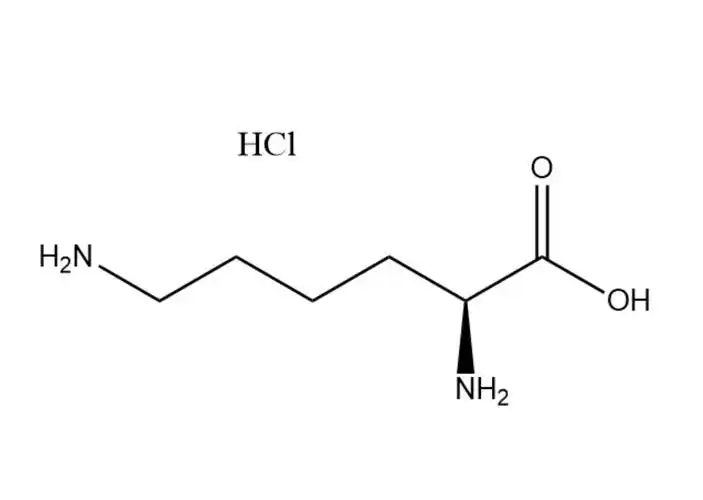 |
L-Lysine monohydrochloride Marke quotation | Seller: Shanghai Yifu Food Ingredients Co., Ltd | L-Lysine monohydrochloride (L-Lys·HCl) is the dominant commercial form of L-lysine—a... |

