

Perforated Leather Abrasion Tester,Leather Puncture Abrasion Tester

Whats/App: +86 156 1874 6768
Web: standard-groups.com
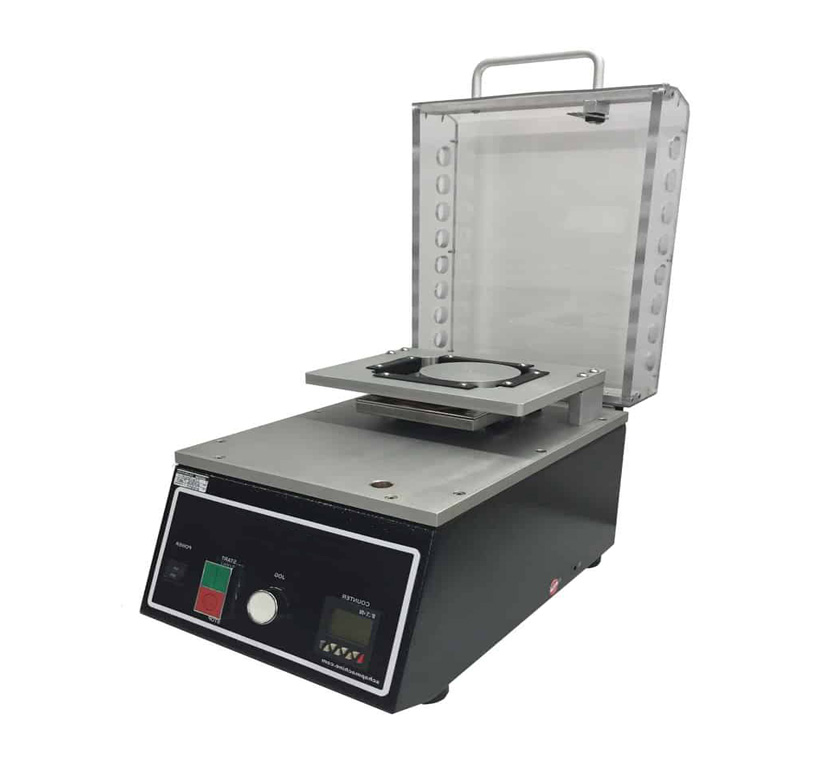
The Perforated Leather Abrasion Tester is designed to evaluate the abrasion resistance and surface durability of perforated leather materials used in automotive interiors.
Application
This single-station tester performs abrasion (fiber fluff) tests in compliance with Toyota Specification TIS 01208-00F21. simulating real-world wear caused by repeated contact and friction.
It is widely used in automotive material research and quality control to ensure that leather surfaces maintain their appearance and texture over extended use.
Standards
| Standard Code | Description |
|---|---|
| TIS 01208-00F21 | Toyota Perforated Leather Abrasion Resistance Test Method |
| Toyota Specification | Conformance to Toyota interior material performance standards |
Technical Specifications
| Item | Specification |
|---|---|
| Test Type | Single-station abrasion (fiber fluff) test |
| Test Material | Perforated automotive leather |
| Cycle Speed | 70 cycles per minute (adjustable) |
| Operating Stroke | 20 mm |
| Sample Table | Polished stainless steel oscillating table, with double-stick tape attachment |
| Sample Disc | 95 mm diameter aluminum disc, 0.5 kg weight (removable for weight verification) |
| Retaining System | Overhead pass-through sample disc retaining system |
| Counter System | Programmable cycle counter with automatic stop |
| Construction | Precision aluminum and stainless-steel mechanical components |
| Finish | Durable powder coat and anodized finish |
| Power Supply | To be specified at time of order |
Advantages and Features
Toyota-compliant design – Fully meets the requirements of TIS 01208-00F21.
Precision-engineered structure – Ensures stable and repeatable test results.
Adjustable operation speed – Allows for flexible test parameter control.
High-quality components – Non-corrosive stainless steel and aluminum for long-term reliability.
User-friendly setup – Removable test disc enables easy sample loading and calibration.
Automatic control system – Programmable cycle counter with automatic stop enhances convenience and safety.
Compact design – Space-efficient layout ideal for laboratory environments.
Test Procedures
Cut leather samples according to test requirements.
Fix the sample flat on the polished stainless-steel table using double-sided adhesive tape.
Install and check the aluminum sample disc position.
Set test speed and cycle count according to the relevant standard.
Start the device and observe operation to ensure smooth reciprocating motion.
The machine automatically stops when the set cycles are completed.
Remove the sample and evaluate surface abrasion and fiber fluffing.
Record results and compile experimental data.
Maintenance Information
Ensure the sample disc and test table are clean before and after use.
Replace worn brushes or abrasive media regularly.
Inspect mechanical components for wear or loosening.
Calibrate cycle counter and verify sample disc weight periodically.
Store in a dry, clean environment to maintain device longevity.
Send product request
Other supplier products
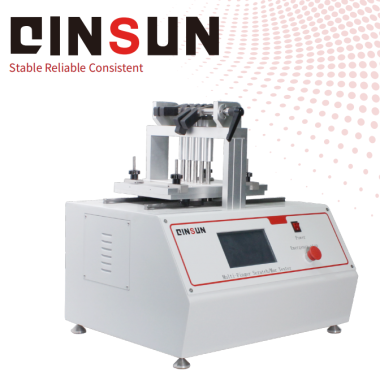 |
Multi-Finger Scratch/Mar Tester | Whats/App: +86 156 1874 6768 Web: standard-groups.com Standards Chrysler LP-463DD-18-01 Scratch and Mar Resistance of Automotive Plastics Chrys... |
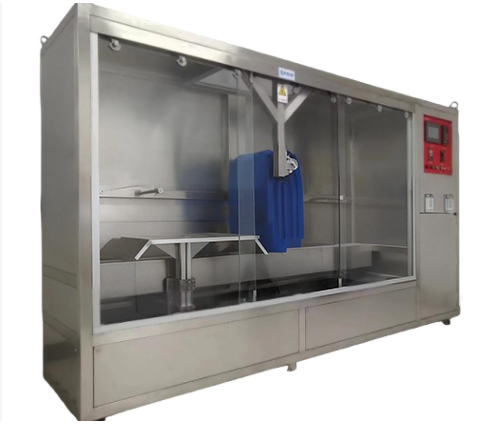 |
Automotive interior material wash resistance testing machine | Whats/App: +86 156 1874 6768 Web: standard-groups.com Application Primary applications: Assessing scratch resistance of automotive paint and cl... |
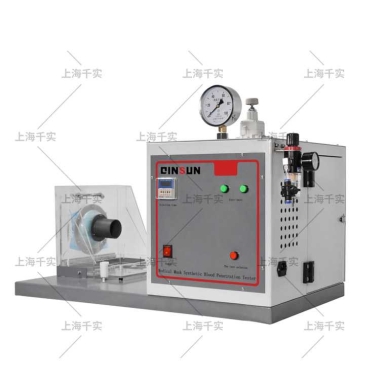 |
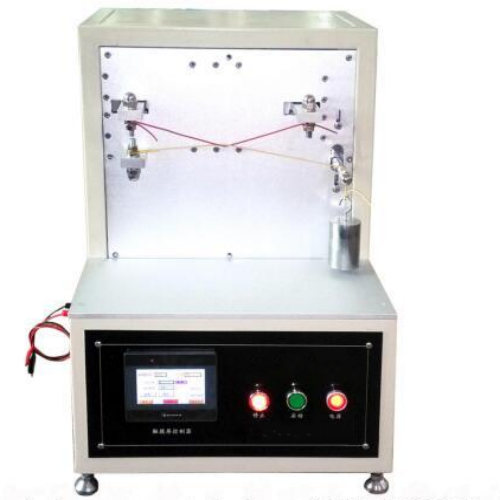
Medical Mask Synthetic Blood Penetration Tester | Whats/App: +86 156 1874 6768 Web: standard-groups.com Medical Face Mask Synthetic Blood Penetration Resistance Tester is mainly used in the blood... |
 |
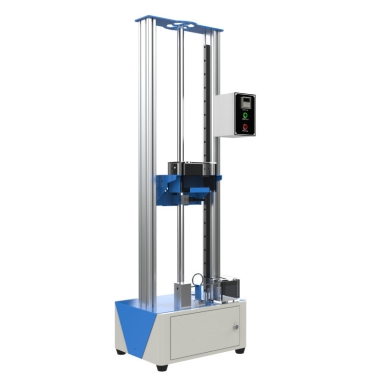
ISO 6722 Automotive Wire Vibration Wear Test Equipment Supplier Factory Direct | Get a quote: Whats/App: +86 156 1874 6768 Web: standard-groups.com Parameters ParameterSpecification Vibration Frequency 10 Hz ... |
 |
Catheter bending resistance tester | Whats/App: +86 156 1874 6768 Web: standard-groups.com The Catheter Bending Resistance Tester is a specialized instrument designed to evaluate the... |
Same products
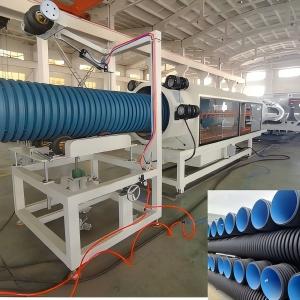 |
HDPE High Speed Water Cooled Double Wall Corrugated Pipe Extrusion Line | Seller: Shandong HUASU Plastic Technology Co.,Ltd. | The molds adopt the double flow channel structure and nitriding polishing processed die head. Thi... |
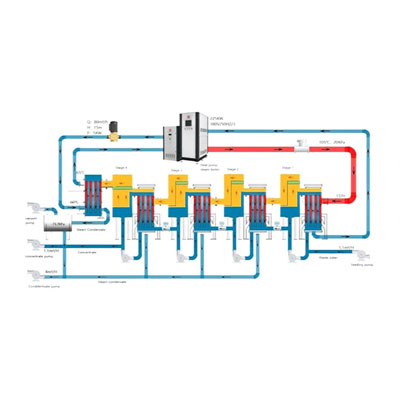 |
PanEVAP & MVR system | Seller: Yangzhou Panstar Heat Exchanger Equipment Co., Ltd | A multiple-effect evaporator is a device that efficiently uses steam heat to evaporate water. Wat... |
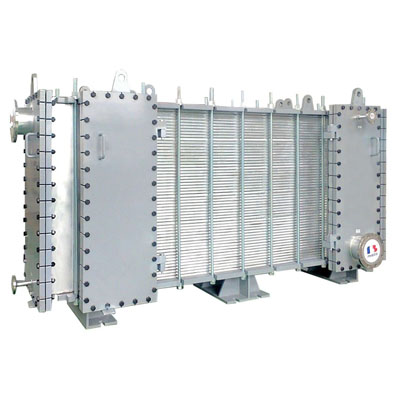 |
PanGAP wide gap welded plate heat exchanger | Seller: Yangzhou Panstar Heat Exchanger Equipment Co., Ltd | PanGAP wide gap welded plate heat exchangerconsists of a welded plate pack with different channel... |
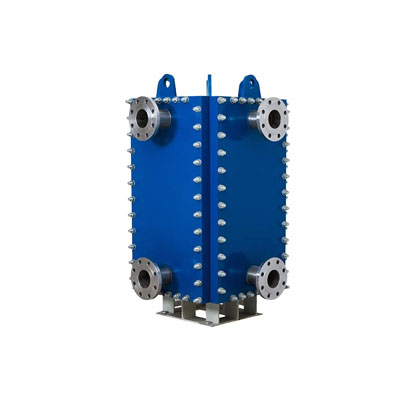 |
PanBloc welded plate heat exchanger | Seller: Yangzhou Panstar Heat Exchanger Equipment Co., Ltd | PanBloc welded plate heat exchangeris compact and efficient, although fully welded, is totally ac... |
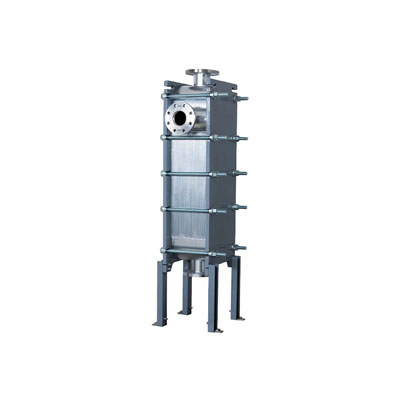 |
PanBox welded plate heat exchanger | Seller: Yangzhou Panstar Heat Exchanger Equipment Co., Ltd | PanBox welded plate heat exchangerconsists of a laser welded plate pack with optimized corrugated... |

