

Automatic Transmission Fluid Anti-Shudder Friction Tester,Transmission fluid friction performance tester

Whats/App: +86 156 1874 6768
Web: standard-groups.com
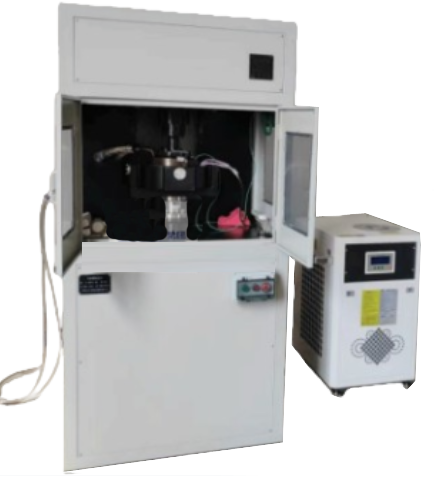
The Passenger Vehicle Automatic Transmission Fluid Anti-Shudder Friction Tester is a specialized friction testing system designed to evaluate the friction characteristics and anti-shudder durability of automatic transmission fluids (ATF) under controlled pressure, speed, and temperature conditions.
You can use this tester to accurately simulate the real operating conditions of wet friction pairs in automatic transmissions, enabling quantitative analysis of friction behavior during running-in, low-speed operation, and long-term durability. It provides reliable technical support for lubricant development, quality control, and compliance verification.
Application
You can apply this tester to a wide range of automotive transmission fluids, friction materials, and research scenarios, including:
(1) Passenger vehicle automatic transmission fluids (ATF)
(2) Dual clutch transmission fluids (DCTF)
(3) Continuously variable transmission fluids (CVTF)
(4) Lubricants for wet clutch systems
(5) Automatic transmission friction plates and steel plates
(6) Anti-shudder performance development of new lubricant formulations
(7) Durability evaluation and performance degradation analysis of in-service fluids
Typical users include petrochemical companies, lubricant manufacturers, vehicle and transmission OEMs, third-party testing laboratories, universities, and research institutes.
Standards
The tester is designed to meet and support the following domestic and international standards and test methods:
(1) GB/T 11118 — Tribological Performance Test Methods for Lubricants
(2) GB/T 3142 — General Test Methods for Lubricant Viscosity and Performance
(3) JASO M348 — Friction Characteristics Test Method for Automatic Transmission Fluids
(4) SAE No.2 — Friction Test Method for Automatic Transmission Fluids
Note: Differences in speed profiles, loading modes, temperature programs, and data processing requirements among standards can be accommodated through software parameter configuration.
Parameters
| Category | Parameter | Technical Specification | Remarks |
|---|---|---|---|
| Load system | Axial load range | 200 N – 10.000 N | Servo-hydraulic loading |
| Load indication relative error | ±0.5% | ||
| Long-term load holding error | ±0.05 MPa | ||
| Stroke | Axial loading stroke | 150 mm | |
| Friction measurement | Maximum friction torque | 320 N·m | |
| Friction torque relative error | ±2% | ||
| Drive system | Sliding speed range | 0.01 – 1.5 m/s | Continuously adjustable |
| Speed control accuracy | ±0.01 m/s | ||
| Drive motor | 380 V / 11 kW | AC servo motor | |
| Temperature control | Temperature range | –30 °C to 200 °C | Indirect heating & cooling |
| Temperature control accuracy | ±2 °C | ||
| Heating power | 220 V / 300 W | ||
| Cooling power | 220 V / 2.37 kW | ||
| System power | Total power | 16.5 kW | Including load, drive, temperature |
| Control & monitoring | Time setting range | 1 s – 9999 min | |
| Real-time monitored parameters | Load, friction force, speed, temperature, time |
Features
(1) Servo-hydraulic constant-force loading ensures high stability and fast response of axial load
(2) AC servo drive system meets strict accuracy requirements for low-speed friction testing
(3) Supports both LVFA low-speed friction tests and SAE No.2 durability test modes
(4) High-precision strain-gauge sensors simultaneously measure load and friction torque
(5) Integrated heating and cooling temperature control system enables wide temperature testing
(6) Integrated control and data acquisition system provides fully automated test operation
(7) Built-in μ–V curve analysis and anti-shudder life evaluation logic reduces operator influence
Accessories
(1) Friction plate fixture for standard friction plate sizes
(2) Steel plate fixture compliant with JASO and SAE requirements
(3) Servo-hydraulic axial loading unit
(4) Temperature-controlled oil bath with heating and cooling
(5) Industrial all-in-one computer with control and analysis software
(6) Sealing components for routine replacement
(7) Operation manual
Test Procedures
(1) Install the friction plate and steel plate with proper coaxial alignment
(2) Fill the test chamber with the specified volume of transmission fluid
(3) Perform the running-in stage according to the selected standard
(4) Execute μ–V characteristic tests using defined speed steps
(5) Conduct durability cycling tests to monitor friction coefficient evolution
(6) Stop the test automatically upon completion of the programmed cycle
(7) Remove samples and inspect wear condition
(8) Generate test curves and reports using the software system
Maintenance Information
(1) Check fixture alignment before each test to prevent eccentric loading
(2) Set running-in and test parameters strictly according to the applicable standard
(3) Do not exceed the specified axial load and temperature limits
(4) Allow natural cooling after high-temperature tests before disassembly
(5) Regularly calibrate load, speed, and temperature sensors
(6) Replace sealing components periodically to ensure system reliability
Send product request
Other supplier products
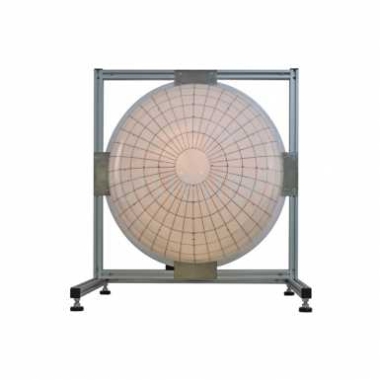 |
Mask Visual Field Tester丨Mask Visual Field Test machine | Whats/App: +86 156 1874 6768 Web: standard-groups.com Application: Mask Visual Field Tester to determine whether field of vision under the mask ... |
 |
Wire and cable smoke density tester | Whats/App: +86 156 1874 6768 Web: standard-groups.com The STD AOTSI-NBS smoke density test chamber, from NIST (NBS's predecessor), is widely used... |
 |
Aatcc 112 Textile Formaldehyde Content Tester | Get a quote: Whats/App: +86 156 1874 6768 Web: standard-groups.com The Textile Formaldehyde Content Tester is a precision instrument designed to... |
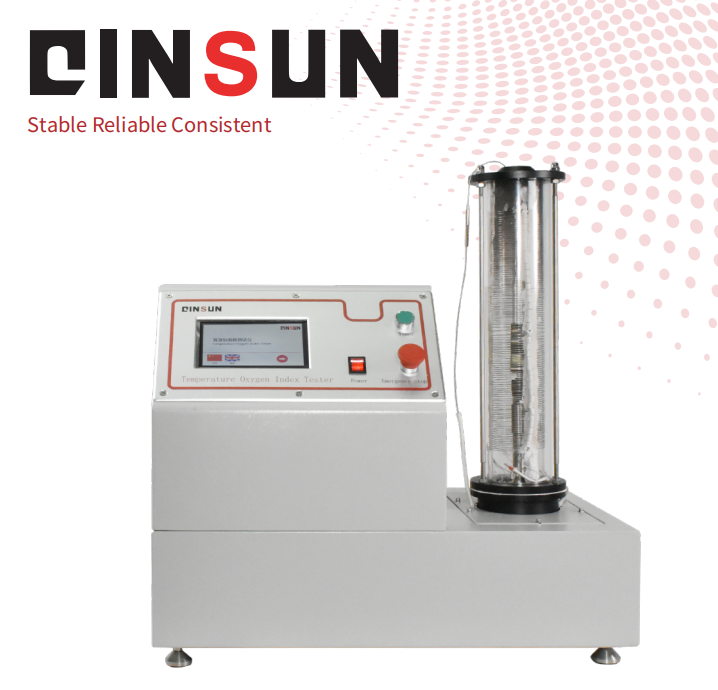 |
ASTM D2863 high temperature oxygen index tester | Get a quote: Whats/App: +86 156 1874 6768 Web: standard-groups.com The High-Temperature Oxygen Index (TOI) measuring instrument determines oxyge... |
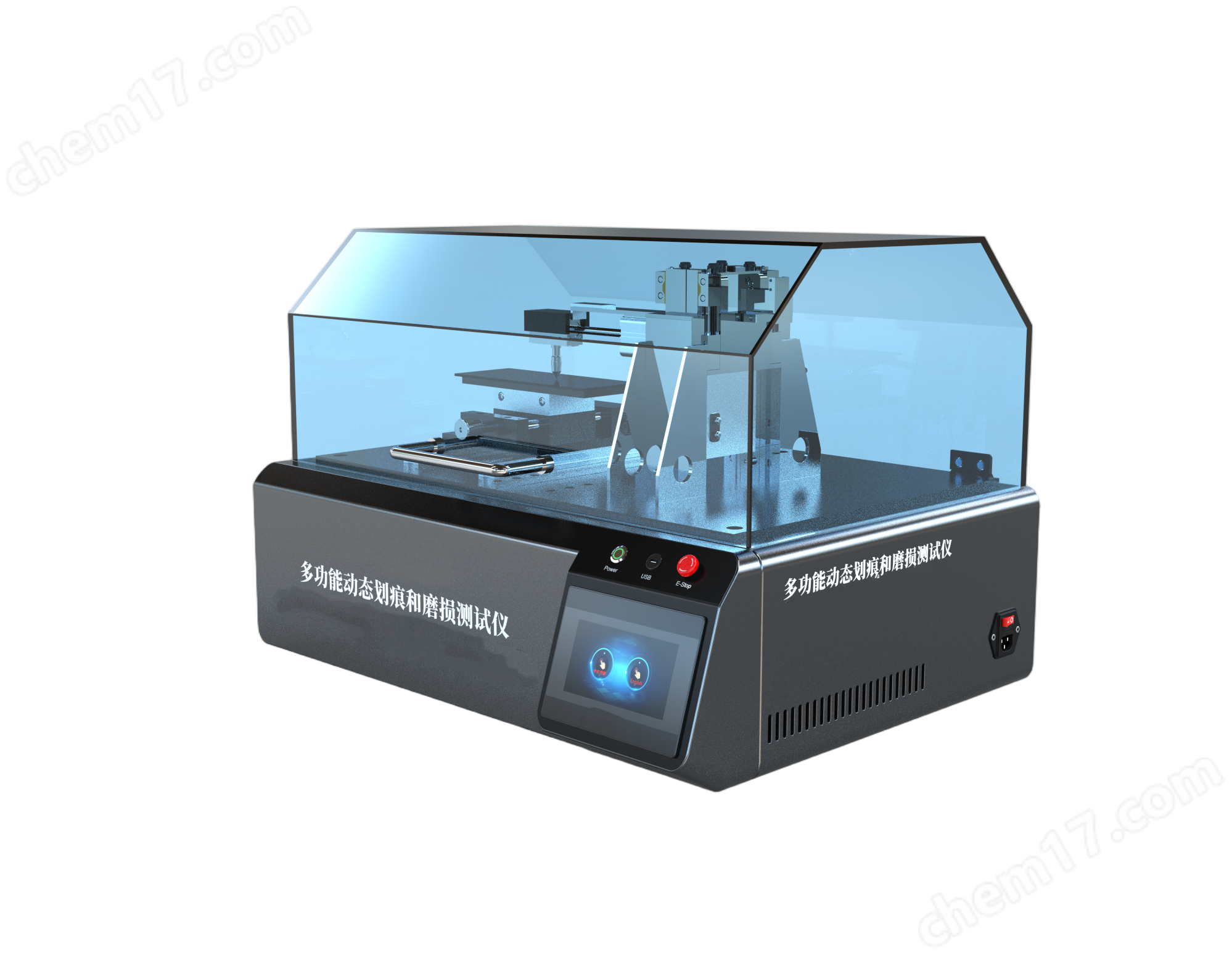 |
Multifunctional Dynamic Scratch and Wear Tester | Whats/App: +86 156 1874 6768 Web: standard-groups.com Application Primary applications Scratch, wear, and impact resistance testing for materia... |
Same products
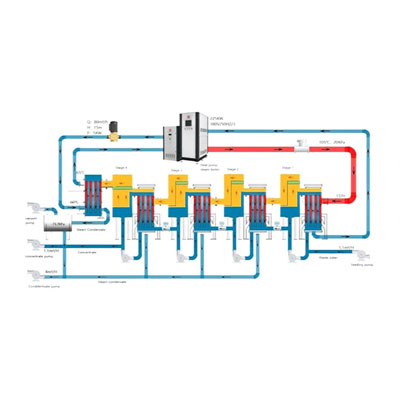 |
PanEVAP & MVR system | Seller: Yangzhou Panstar Heat Exchanger Equipment Co., Ltd | A multiple-effect evaporator is a device that efficiently uses steam heat to evaporate water. Wat... |
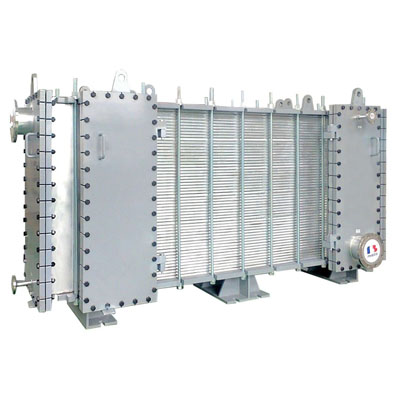 |
PanGAP wide gap welded plate heat exchanger | Seller: Yangzhou Panstar Heat Exchanger Equipment Co., Ltd | PanGAP wide gap welded plate heat exchangerconsists of a welded plate pack with different channel... |
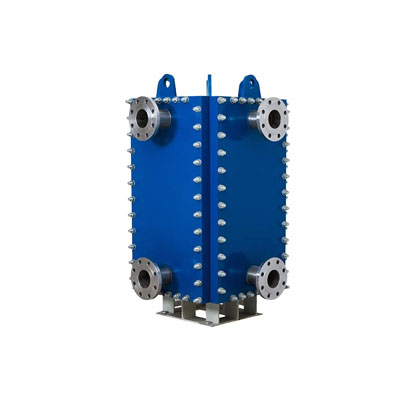 |
PanBloc welded plate heat exchanger | Seller: Yangzhou Panstar Heat Exchanger Equipment Co., Ltd | PanBloc welded plate heat exchangeris compact and efficient, although fully welded, is totally ac... |
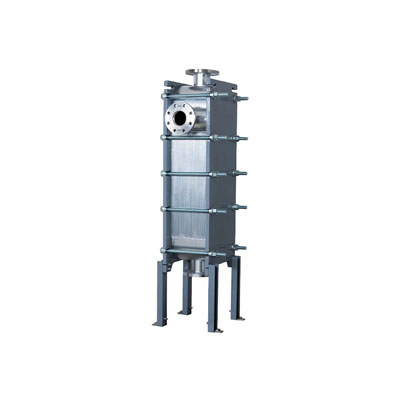 |
PanBox welded plate heat exchanger | Seller: Yangzhou Panstar Heat Exchanger Equipment Co., Ltd | PanBox welded plate heat exchangerconsists of a laser welded plate pack with optimized corrugated... |
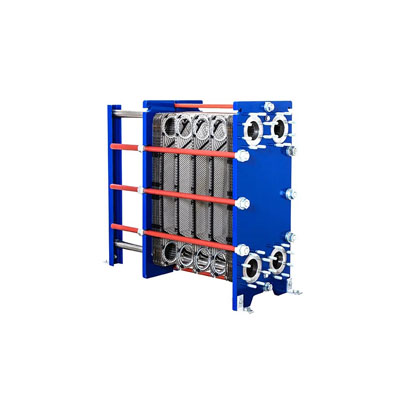 |
PanPHE gasketed plate heat exchangers | Seller: Yangzhou Panstar Heat Exchanger Equipment Co., Ltd | PanPHE gasketed plate heat exchangersare designed with easy access for regular servicing and for ... |

