

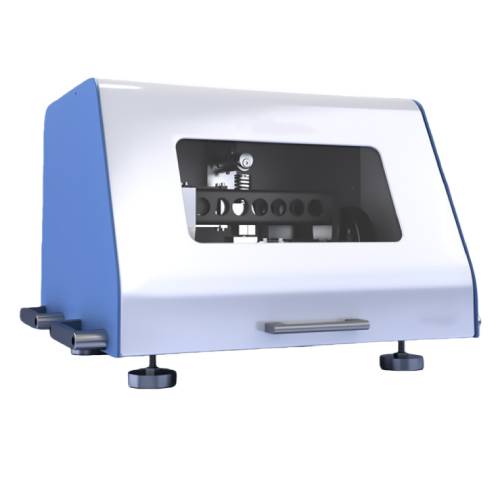
High-Frequency Reciprocating Tester

Whats/App: +86 156 1874 6768
Web: standard-groups.com
High-Frequency Reciprocating Tester is a fully automated, computer-controlled tribological testing system designed to evaluate fuel lubricity and the friction and wear performance of additives. It is widely used for friction and wear analysis of petroleum products and for measuring the lubricating properties of fuels, lubricating oils, greases, and additives. The new-generation system combines programmable control with high-precision piezoelectric ceramic sensors, enabling real-time friction force measurement with excellent repeatability and ease of calibration.
Application
The High-Frequency Reciprocating Tester is used in standardized and research-level lubricity testing, including:
Evaluation of diesel fuel lubricity and additive performance
Friction and wear analysis of petroleum products under boundary lubrication conditions
Lubricity measurement of lubricating oils, greases, and fuel additives
Comparative testing of different fuel formulations and additive packages
Research, development, and quality control testing in refineries, laboratories, and industrial facilities
Optional modules allow extended testing such as electrical contact resistance measurement, wear scar morphology observation, and gasoline lubricity testing.
Standards
The tester complies with or supports test methods defined in the following standards:
ASTM D6079 (Standard Test Method for Evaluating Lubricity of Diesel Fuels by the High-Frequency Reciprocating Rig)
GB/T 35137-2025 (Diesel fuel lubricity evaluation)
SH/T 0765 (Diesel fuel lubricity evaluation method)
ASTM D7688 (Standard Test Method for Evaluating Lubricity of Diesel Fuels)
ISO 12156-1 (Diesel fuel — Assessment of lubricity using the high-frequency reciprocating rig — Part 1: Test method)
CEC F-06-A-96 (Method for evaluating the lubricating performance of diesel fuel)
BS EN 590 (Automotive fuels — Diesel — Requirements and test methods)
JPI-5S-50-98 (Test method for evaluating diesel fuel lubricity)
Parameters
| Item | Description |
|---|---|
| Load Control | Real-time normal load control |
| Frequency Range | 1–200 Hz |
| Stroke Length | 10 µm to 2.8 mm |
| Friction Force Measurement | High-precision piezoelectric ceramic sensor |
| Temperature Range | Ambient to 180 °C; optional low-temperature and high-temperature up to 400 °C |
| Maximum Load | Up to 20 N (other load ranges available) |
Features
Standardized high-frequency reciprocating motion for lubricity evaluation
Fully automated, computer-controlled test system
Programmable test parameters for flexible testing conditions
Real-time friction force measurement using piezoelectric ceramic sensors
High repeatability and reliable calibration procedure
Supports standard reference oils and test samples
Optional expansion modules for advanced analysis and extended applications
Send product request
Other supplier products
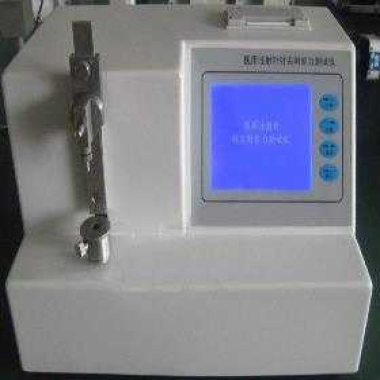 |
Medical injection needle puncture force tester | Whats/App: +86 156 1874 6768 Web: standard-groups.com The Medical Injection Needle Puncture Force Tester is a precision instrument designed to ev... |
 |
Cork Puncture and Chip Detection Instrument | Whats/App: +86 156 1874 6768 Web: standard-groups.com The rubber stopper puncture debris detector is a device specifically used to detect the num... |
 |
Auto Seat Frame Strength Test Bench | Get a quote: Whats/App: +86 156 1874 6768 Web: standard-groups.com The Automotive Seat Frame Durability Tester is a dedicated impact testing sys... |
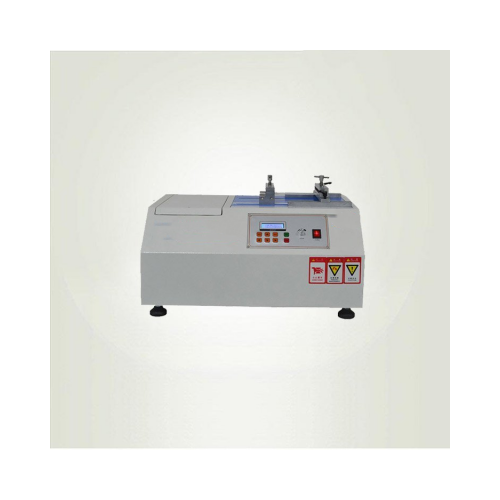 |
Elastic Tape Fatigue Testing Machine | Whats/App: +86 156 1874 6768 Web: standard-groups.com This instrument is used to test the elasticity of elastic belt after reciprocating movement... |
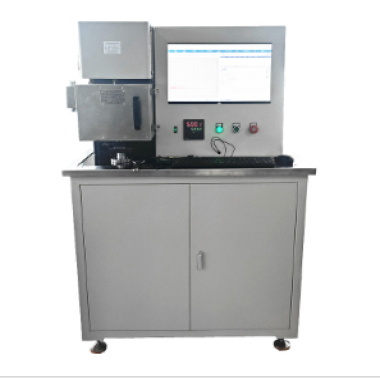 |
Reciprocating Friction and Wear Test Machine | Whats/App: +86 156 1874 6768 Web: standard-groups.com Applicable Standards ASTM Standards: Formulated by the American Society for Testing and Ma... |
Same products
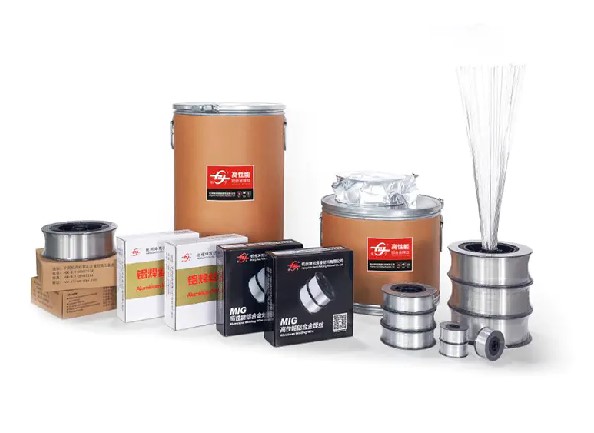 |
ER4047 Aluminum Mig Welding Wire | Seller: 868776 | Hangzhou Kunli Welding Materials Co., Ltd. specializes in manufacturing reliable welding material... |
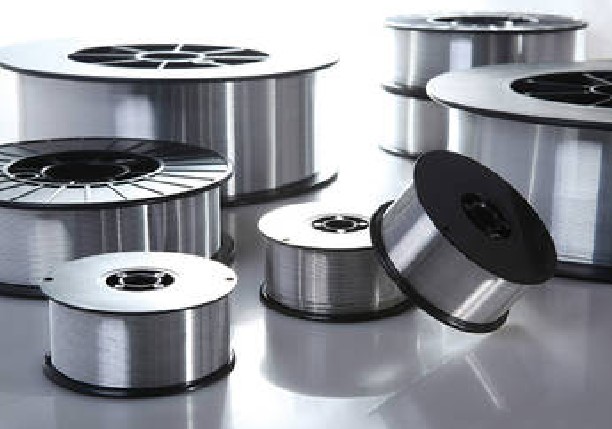 |
ER4043 Silicon Aluminum Welding Wire | Seller: 868776 | Hangzhou Kunli Welding Materials Co., Ltd. specializes in manufacturing high-quality welding mate... |
 |
Choosing the Right Equipment for Heavy-Duty Cleaning | Seller: Taizhou Feike Mechanical Technology Co., Ltd. | FEIKE’s High Pressure Washer is designed for industrial cleaning, equipment maintenance, ve... |
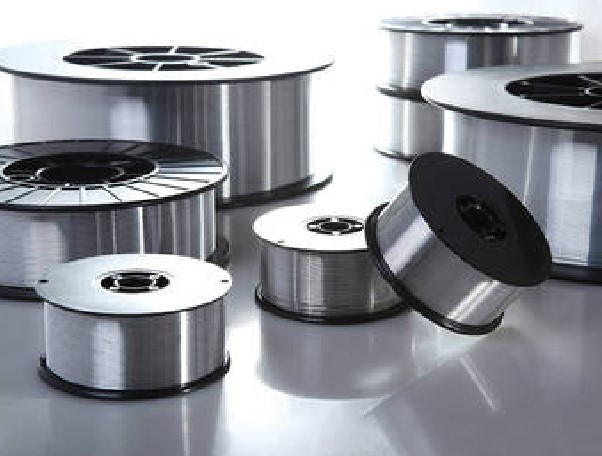 |
ER4043 Silicon Aluminum Welding Wire | Seller: 868776 | Hangzhou Kunli Welding Materials Co., Ltd. offers ER4043 Silicon Aluminum Welding Wire for alumin... |
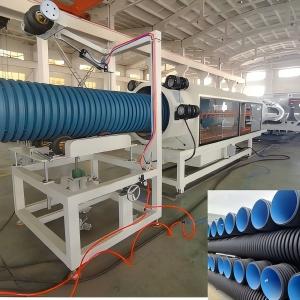 |
HDPE High Speed Water Cooled Double Wall Corrugated Pipe Extrusion Line | Seller: Shandong HUASU Plastic Technology Co.,Ltd. | The molds adopt the double flow channel structure and nitriding polishing processed die head. Thi... |

