

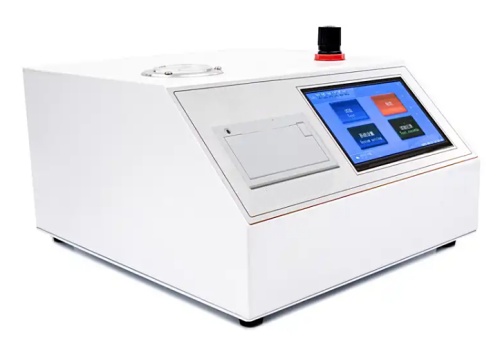
Automated humidifying bottle tester equipment

Whats/App: +86 156 1874 6768
Web: standard-groups.com
Applications
The humidifier bottle performance tester is mainly used to detect various properties of humidifier bottles, including but not limited to leakage, pressure - resistance, humidification output, and overflow. This instrument can ensure the safety and effectiveness of humidifier bottles during use, and it is an important tool for the quality inspection of medical oxygen humidifiers.
Standards
YY/T 1610 - 2018:Anaesthetic and respiratory equipment - Oxygen humidifiers for medical use
Technical Parameters
| Parameter | Specification |
|---|---|
| Working Range | Usually between 0 and 1000KPa; some models may offer higher pressure options (e.g., 2000KPa or 2500KPa) |
| Flow Accuracy | ±1%, ensuring the accuracy of testing |
| Power Supply | Generally 220V, 5A, 50Hz |
| Instrument Operating Voltage | Usually 220V |
| Air Source Requirements | Adjustable from 0 to 2MPa; the air source needs to be provided by the user |
| Main Unit Dimensions | Vary depending on the model; e.g., some models: 570×400×200mm (Length×Width×Height) |
| Other Functions | Some advanced-model humidifier bottle performance testers may have features like micro-computer control, large touch-screen display, Chinese menu settings, digital preset test flow, and printing function (making operation more intuitive and convenient) |
Accessoriess
Standard configuration: electronic control unit, testing unit, printer
Test Procedures
1. Pre-test Preparation
Check that the instrument's power supply (220V, 5A, 50Hz) is functioning correctly, and confirm that the external gas source (0-2MPa) is connected and adjustable;
Calibrate the flow sensor (ensuring an accuracy of ±1%), clean the instrument interfaces and tubing to ensure the test pathway is unobstructed.
2. Humidifier Bottle Sample Installation
Remove the humidifier bottle to be tested, check its appearance for damage, and connect the humidifier bottle to the instrument's test tubing according to the interface specifications;
Seal the connection between the humidifier bottle and the instrument, ensuring there is no risk of leakage at the interface (low-pressure gas can be pre-applied to initially verify the seal).
3. Test Parameter Settings
Select the test item (e.g., leak test, pressure test, humidification output test) via the instrument's touchscreen;
According to the YY/T 1610-2018 standard, set the corresponding test parameters: such as pressure test pressure, pressure holding time, test flow rate, etc., and save the parameters after confirmation.
4. Starting the Test
After confirming that the humidifier bottle connection and parameter settings are correct, click the "Start" button, and the instrument will automatically execute the corresponding test procedure (e.g., the leak test will monitor pressure changes, and the pressure test will stably maintain the set pressure);
During the test, the instrument will display pressure, flow rate, and other data in real time.
5. Test Process Monitoring
Observe whether the data on the instrument interface is stable. For leak tests, pay close attention to whether the pressure drops abnormally; for pressure tests, confirm that the humidifier bottle is not deformed or ruptured;
If abnormal data or equipment alarms occur, pause the test immediately and troubleshoot the problem (e.g., interface leakage, unstable gas source).
6. Test Completion and Cleanup
After the test is completed, the instrument will automatically shut down, and the test results will be recorded (e.g., whether the leakage is qualified, whether the pressure resistance value meets the standard);
Disconnect the gas source, loosen the humidifier bottle interface, remove the sample, clean the instrument tubing and interfaces, turn off the equipment power, and prepare the test report.
Send product request
Other supplier products
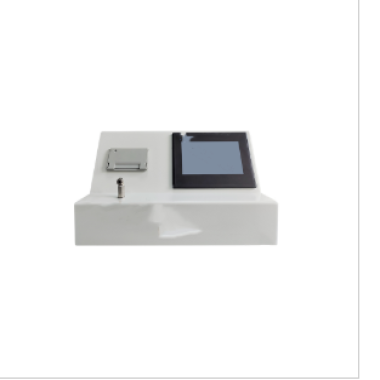 |
Catheter Residual Vacuum Tester | Whats/App: +86 156 1874 6768 Web: standard-groups.com The Catheter Residual Vacuum Tester is a professional device used to detect the residual va... |
 |
Aerospace Wire and Cable Smoke Test Apparatus | Whats/App: +86 156 1874 6768 Web: standard-groups.com The Aerospace Wire and Cable Smoke Test Apparatus is designed to assess whether aerospace-g... |
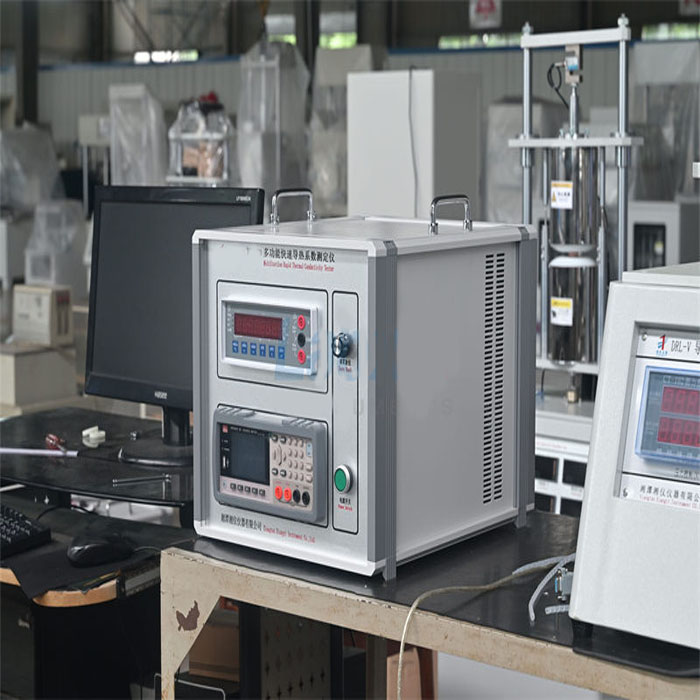 |
High-precision rapid thermal conductivity tester for geotechnical materials | Whats/App: +86 156 1874 6768 Web: standard-groups.com Application This testeris designed for thermal characterization of geotechnical materials,... |
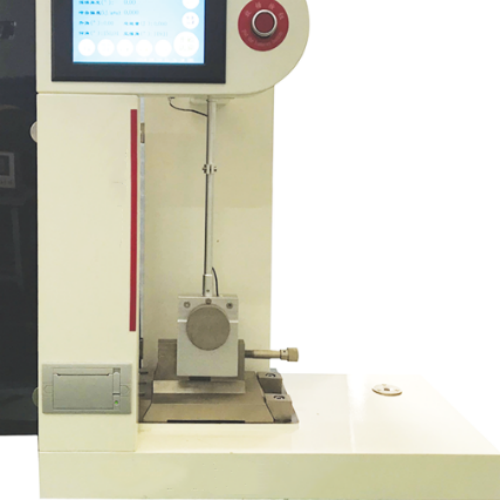 |
Computer controlled memory impact testing machine,bench-top Computer controlled memory impact testing machine | Whats/App: +86 156 1874 6768 Web: standard-groups.com Computer controlled memory impact testing machine is mainly used for hard plastics, reinfor... |
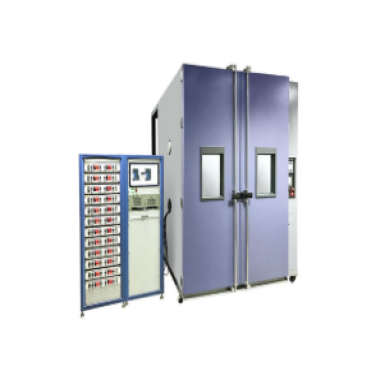 |
Thermal cycle wet freezing testing machine | Whats/App: +86 156 1874 6768 Web: standard-groups.com The Thermal Cycle Wet Freezing Testing Machine is designed for comprehensive environmental ... |
Same products
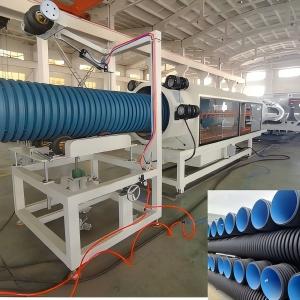 |
HDPE High Speed Water Cooled Double Wall Corrugated Pipe Extrusion Line | Seller: Shandong HUASU Plastic Technology Co.,Ltd. | The molds adopt the double flow channel structure and nitriding polishing processed die head. Thi... |
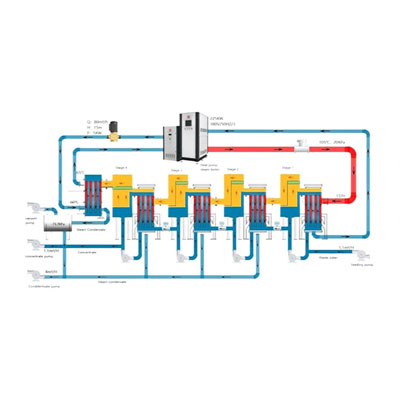 |
PanEVAP & MVR system | Seller: Yangzhou Panstar Heat Exchanger Equipment Co., Ltd | A multiple-effect evaporator is a device that efficiently uses steam heat to evaporate water. Wat... |
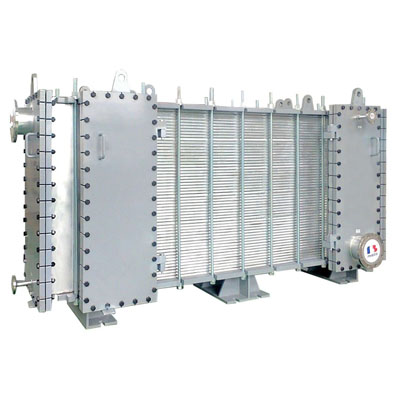 |
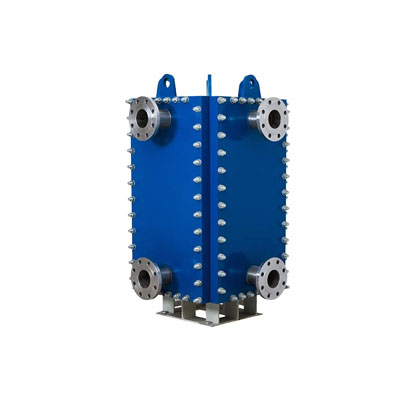
PanGAP wide gap welded plate heat exchanger | Seller: Yangzhou Panstar Heat Exchanger Equipment Co., Ltd | PanGAP wide gap welded plate heat exchangerconsists of a welded plate pack with different channel... |
 |
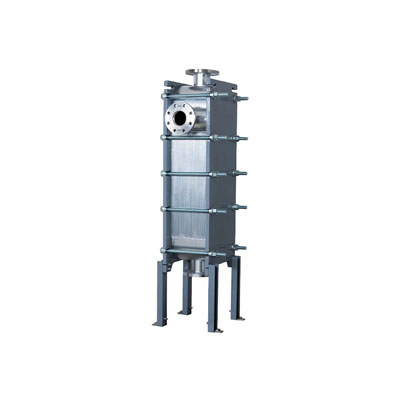
PanBloc welded plate heat exchanger | Seller: Yangzhou Panstar Heat Exchanger Equipment Co., Ltd | PanBloc welded plate heat exchangeris compact and efficient, although fully welded, is totally ac... |
 |
PanBox welded plate heat exchanger | Seller: Yangzhou Panstar Heat Exchanger Equipment Co., Ltd | PanBox welded plate heat exchangerconsists of a laser welded plate pack with optimized corrugated... |

