

Diesel High Frequency Reciprocating Rig


Whats/App: +86 156 1874 6768
Web: standard-groups.com
Standards
The tester complies with or supports test methods defined in the following standards:
ASTM D6079 (Standard Test Method for Evaluating Lubricity of Diesel Fuels by the High-Frequency Reciprocating Rig)
GB/T 35137-2025 (Diesel fuel lubricity evaluation)
SH/T 0765 (Diesel fuel lubricity evaluation method)
ASTM D7688 (Standard Test Method for Evaluating Lubricity of Diesel Fuels)
ISO 12156-1 (Diesel fuel — Assessment of lubricity using the high-frequency reciprocating rig — Part 1: Test method)
CEC F-06-A-96 (Method for evaluating the lubricating performance of diesel fuel)
BS EN 590 (Automotive fuels — Diesel — Requirements and test methods)
JPI-5S-50-98 (Test method for evaluating diesel fuel lubricity)
Parameters
| Item | Description |
|---|---|
| Load Control | Real-time normal load control |
| Frequency Range | 1–200 Hz |
| Stroke Length | 10 µm to 2.8 mm |
| Friction Force Measurement | High-precision piezoelectric ceramic sensor |
| Temperature Range | Ambient to 180 °C; optional low-temperature and high-temperature up to 400 °C |
| Maximum Load | Up to 20 N (other load ranges available) |
Features
Standardized high-frequency reciprocating motion for lubricity evaluation
Fully automated, computer-controlled test system
Programmable test parameters for flexible testing conditions
Real-time friction force measurement using piezoelectric ceramic sensors
High repeatability and reliable calibration procedure
Supports standard reference oils and test samples
Optional expansion modules for advanced analysis and extended applications
Accessories
Standard test specimen and reference oil set
Piezoelectric ceramic friction force sensor
Electrical contact resistance measurement module (optional)
Metallographic microscope for wear scar analysis (optional)
Gasoline lubricity test module (optional)
Test Procedures
Install the standard test specimen and select the appropriate test configuration.
Set test parameters such as load, frequency, stroke length, and temperature.
Calibrate the system according to the standard procedure using reference oil.
Start the automated test sequence under computer control.
Measure friction force in real time throughout the test.
Complete the test after the specified duration or cycle count.
Evaluate lubricity performance based on test results and wear scar analysis.
Maintenance Information
Clean test specimens and contact components after each test.
Regularly verify calibration using standard reference oils.
Inspect sensors and mechanical components periodically for stable performance.
Maintain temperature control and motion systems according to operating conditions.
Send product request
Other supplier products
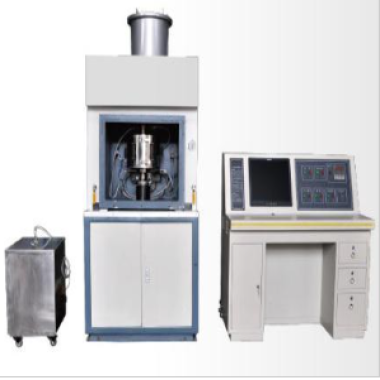 |
High temperature vacum friction & wear tester | Whats/App: +86 156 1874 6768 Web: standard-groups.com Main uses: High temperature vacuum friction and wear testing machine is mainly used to stud... |
 |
FPC Flex Durability Tester | Whats/App: +86 156 1874 6768 Web: standard-groups.com The FPC Flex Durability Tester is designed to evaluate the bending durability and fatigue l... |
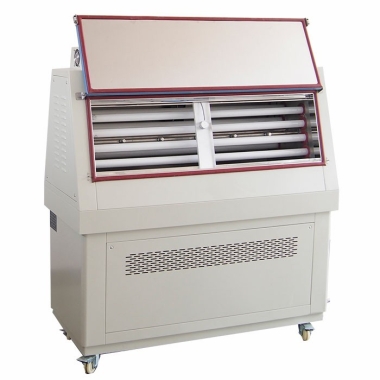 |
UV Weathering Testing Machine 丨UV Weathering Tester | Whats/App: +86 156 1874 6768 Web: standard-groups.com Features and Benefits 1.Accelerated Aging Simulation Simulates months or years of outdo... |
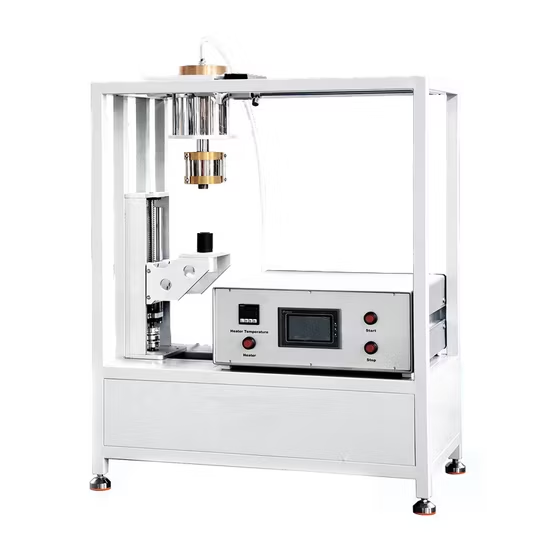 |
Protective Clothing Thermal Conductivity Tester | Whats/App: +86 156 1874 6768 Web: standard-groups.com The Protective Clothing Thermal Conductivity Tester is a specialized device used to evaluat... |
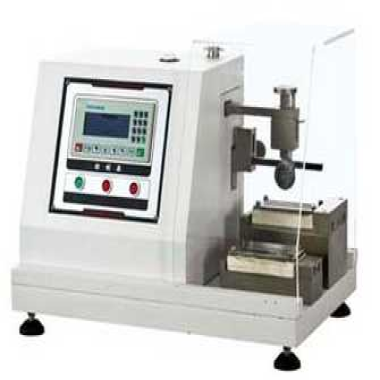 |
Gloves Cut Resistance Testing Machine | Whats/App: +86 156 1874 6768 Web: standard-groups.com The Gloves Cut Resistance Testing Machine is designed for evaluating the cutting resistance... |
Same products
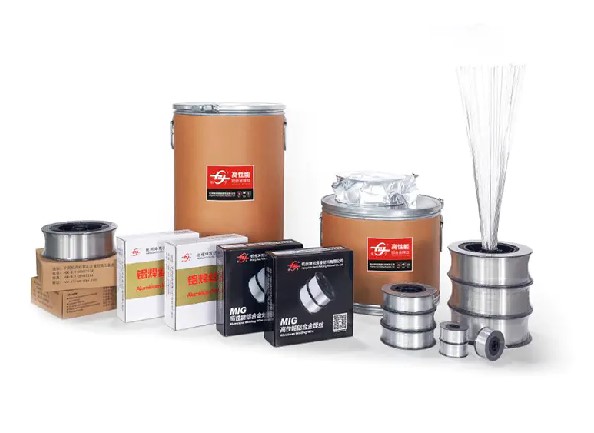 |
ER4047 Aluminum Mig Welding Wire | Seller: 868776 | Hangzhou Kunli Welding Materials Co., Ltd. specializes in manufacturing reliable welding material... |
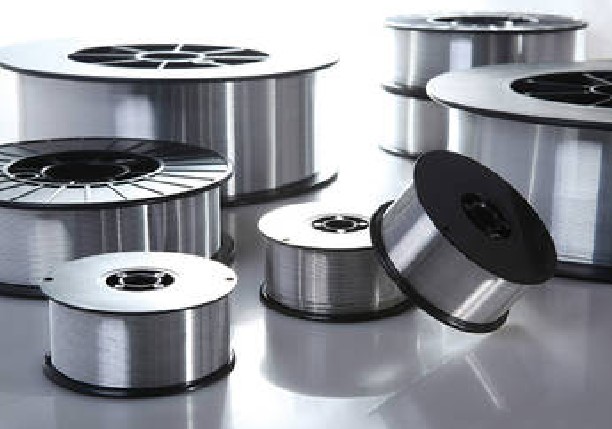 |
ER4043 Silicon Aluminum Welding Wire | Seller: 868776 | Hangzhou Kunli Welding Materials Co., Ltd. specializes in manufacturing high-quality welding mate... |
 |
Choosing the Right Equipment for Heavy-Duty Cleaning | Seller: Taizhou Feike Mechanical Technology Co., Ltd. | FEIKE’s High Pressure Washer is designed for industrial cleaning, equipment maintenance, ve... |
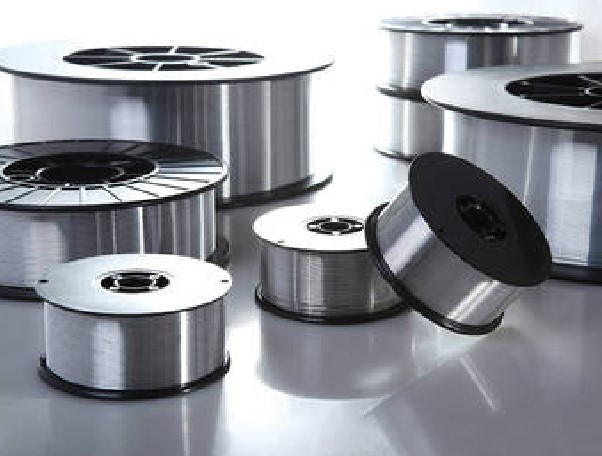 |
ER4043 Silicon Aluminum Welding Wire | Seller: 868776 | Hangzhou Kunli Welding Materials Co., Ltd. offers ER4043 Silicon Aluminum Welding Wire for alumin... |
 |
HDPE High Speed Water Cooled Double Wall Corrugated Pipe Extrusion Line | Seller: Shandong HUASU Plastic Technology Co.,Ltd. | The molds adopt the double flow channel structure and nitriding polishing processed die head. Thi... |

