

Carpet Thickness Gauge

Meet the standard:
ASTM D418
ISO 1765
ISO 5084
Product Introduction:
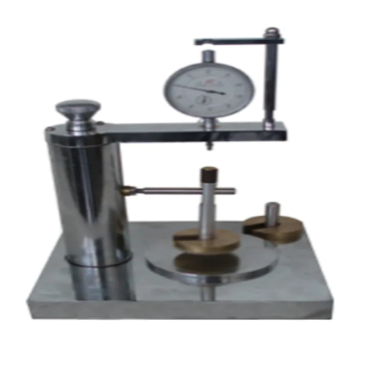
The thickness of a carpet is a fundamental characteristic used in material specification, quality control, and assessing features like pile height and overall bulk. Due to their resilient nature, carpets compress under load. Therefore, simply measuring thickness without applying a standard pressure would yield inconsistent results. A Resilient Carpet Thickness Tester applies a defined pressure to a specific area of the carpet specimen, ensuring that the measurement is taken under standardized conditions, making results comparable.
The tester typically consists of a flat base plate upon which the carpet specimen is placed. A presser foot with a precisely defined area and shape (often circular) is positioned above the specimen. A mechanism is used to apply a specified downward pressure to the presser foot. This pressure can be generated by a calibrated weight placed directly onto the presser foot assembly, a calibrated spring mechanism, or sometimes a pneumatic system.
A displacement measuring device, such as a dial gauge, digital indicator, or linear encoder, measures the vertical distance between the bottom surface of the presser foot and the top surface of the base plate while the specified pressure is applied to the carpet specimen. This measured distance is the thickness of the carpet under the test load. The presser foot is typically lowered gently onto the specimen to avoid dynamic effects from impact.
The instrument is used in laboratories for:
Measuring the total thickness of carpets and other textile floor coverings under a standardized pressure.
Determining pile height by measuring total thickness and backing thickness separately (using different procedures).
Quality control during carpet manufacturing to ensure product consistency in thickness.
Material specification and comparison based on thickness values.
Research and development of new carpet constructions and materials.
Ensuring compliance with product specifications and industry standards.
Product Advantages:
Provides objective, quantitative measurement of carpet thickness under a standardized load.
Essential for quality control, material specification, and characterization of resilient textile floor coverings.
Accounts for the compressible nature of carpets, ensuring consistent and repeatable measurements.
Standard compliant test methods (ASTM D418. ISO 1765) are widely used for carpet thickness evaluation.
Useful for product development, comparison, and assessing characteristics related to thickness.
Product Features:
Based on typical Resilient Carpet Thickness Testers:
Flat, stable base plate to support the carpet specimen during testing.
Presser foot with a precisely defined area and shape (e.g., circular presser foot with a specific diameter) as specified by the relevant standard.
Mechanism for applying a specified downward pressure to the presser foot. This is typically achieved using a calibrated weight or a calibrated spring system.
Displacement measuring device (e.g., mechanical dial gauge, digital indicator, linear encoder) to accurately measure the vertical distance between the bottom of the presser foot and the top of the base plate while the pressure is applied.
Mechanism to lower the presser foot onto the specimen smoothly and gently to avoid impact loading.
Digital or analog display showing the measured thickness.
Durable construction suitable for use in a laboratory or manufacturing environment.
Send product request
Other supplier products
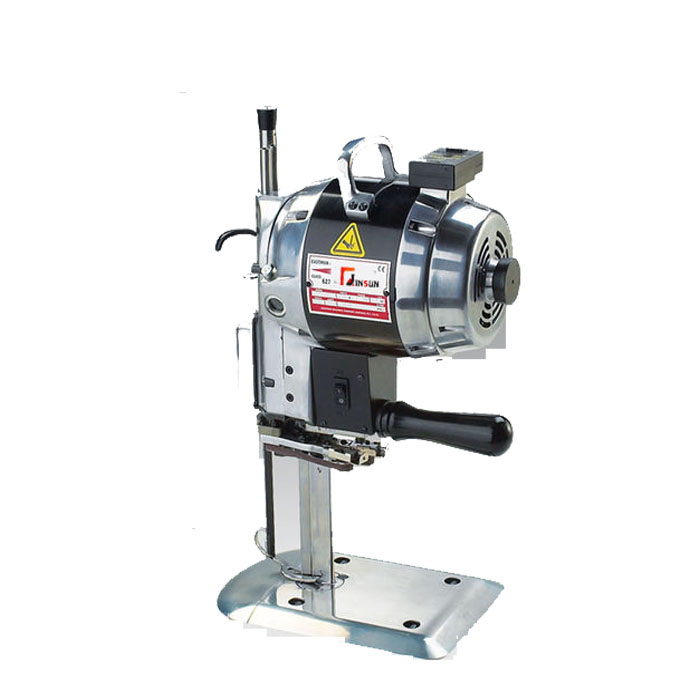 |
TEXTILE CUTTING MACHINE | Description Textile cutting machine, Fabric cutting machine, Cloth cutting machine, Automatic knife cutter, Straight knife cutter. Variable speed ... |
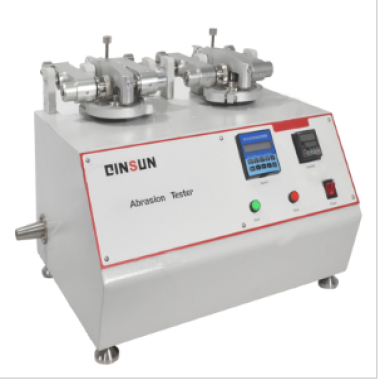 |
Flooring Materials Abrasion Resistance Tester | Standard ASTM D3884(Abrasion Resistance of Textile Fabrics) ISO 5470-1(Rubber or Plastics-Coated Fabrics - Abrasion Resistance) EN 660-2(Abras... |
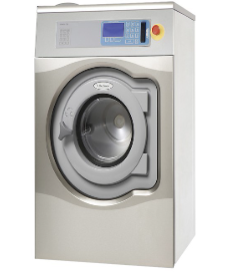 |
Wascator FOM 71 CLS Lab Washer - Extractor ISO 5077/6330 | Standards: ISO 5077/6330. M&S P1/P1A/P3A/P12/P91/P99/P99A/P13. BS EN25077/26330. NEXT TM7/7A/7B/TM12. GB/T 8629. IWSTM 31. IEC 456 Applicatio... |
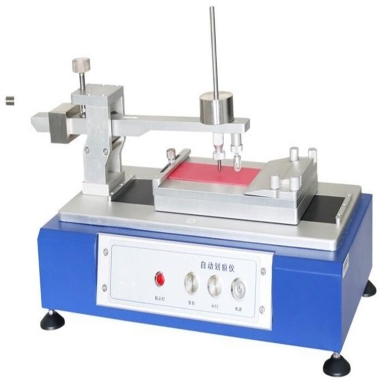 |
Paint film scratch tester | Product Introduction: It is suitable for printing, labeling, mobile shell, MP3/MP4 shell, laptop computer shell and other kinds of household appl... |
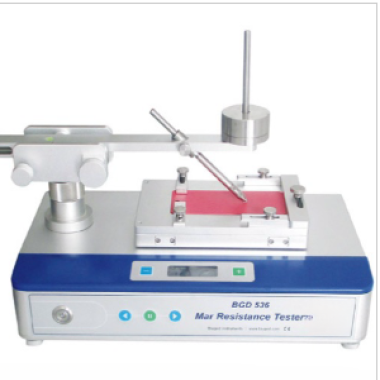 |
Coating abrasion resistance tester | Product Introduction: The determination of scratch resistance of the coating is very similar to the scratch test of the coating, but this test met... |
Same products
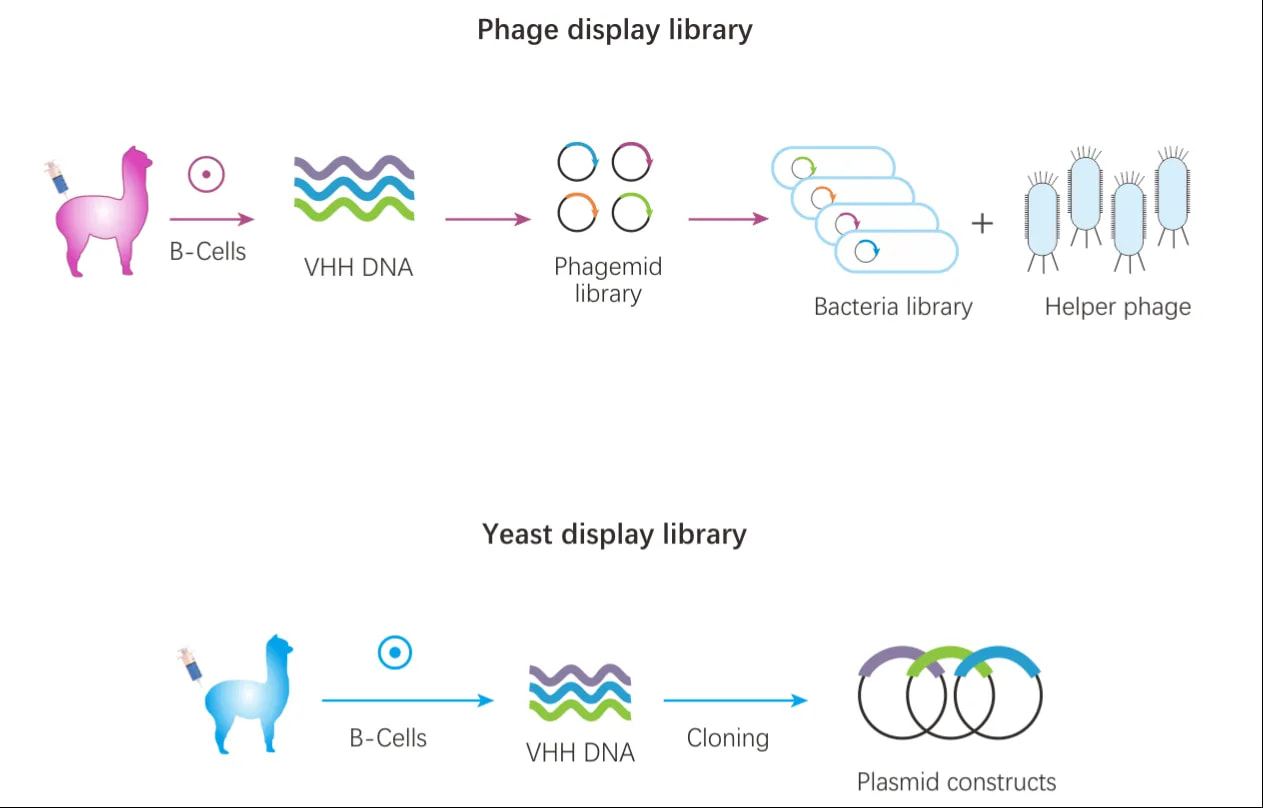 |
Large Naïve VHH Library | Seller: AlpVHHs | Large Naïve VHH Library VHHare single-domain antibodies derived from the variable regions o... |
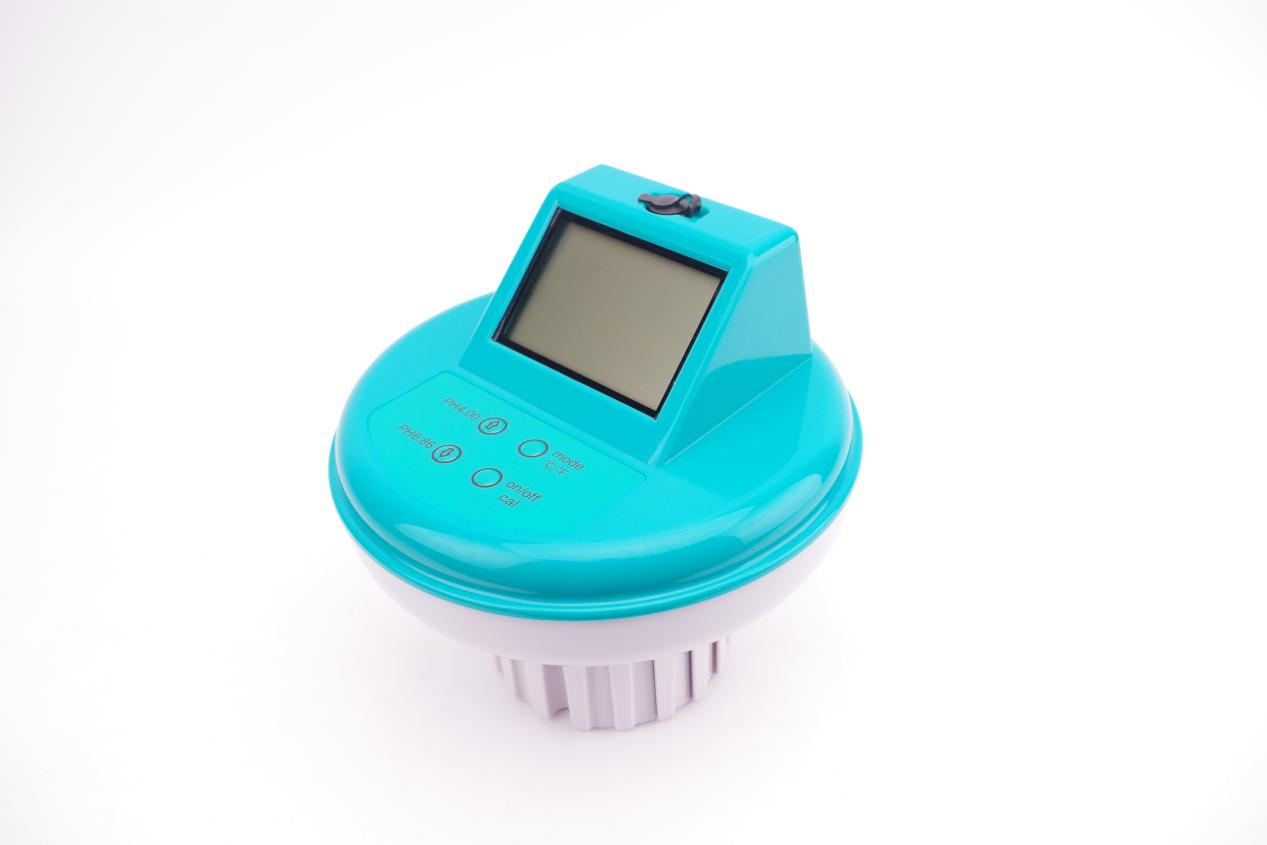 |
pH-2398 pH/EC/ORP/Temperature multi-parameter Water Quality Tester | Seller: Kelilong Electron Co.,Ltd | Feature Large display screen, capable of simultaneously measuring water quality pH, redox potent... |
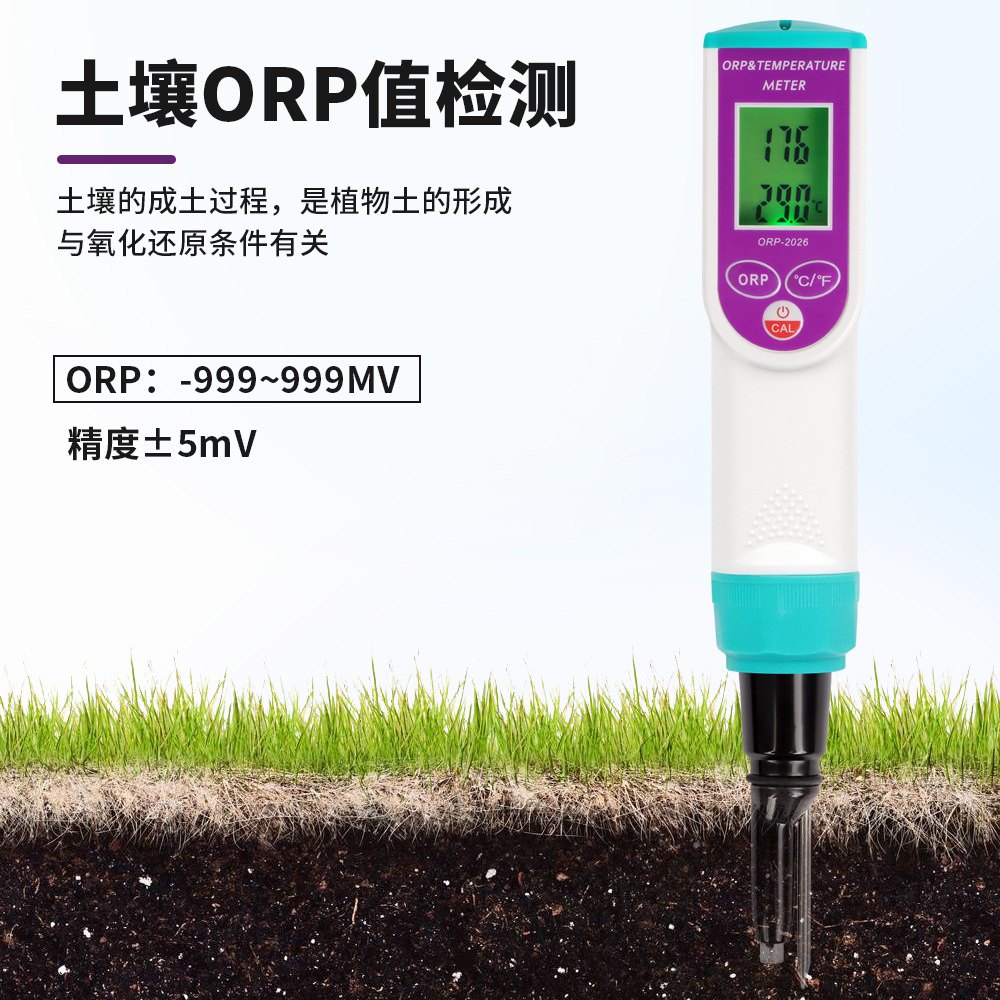 |
ORP-2026S Waterproof Soil ORP and Temperature Meter | Seller: Kelilong Electron Co.,Ltd | 范围 ORP -999~999mV Temp 0~50℃ 分辨率 ORP 1mV... |
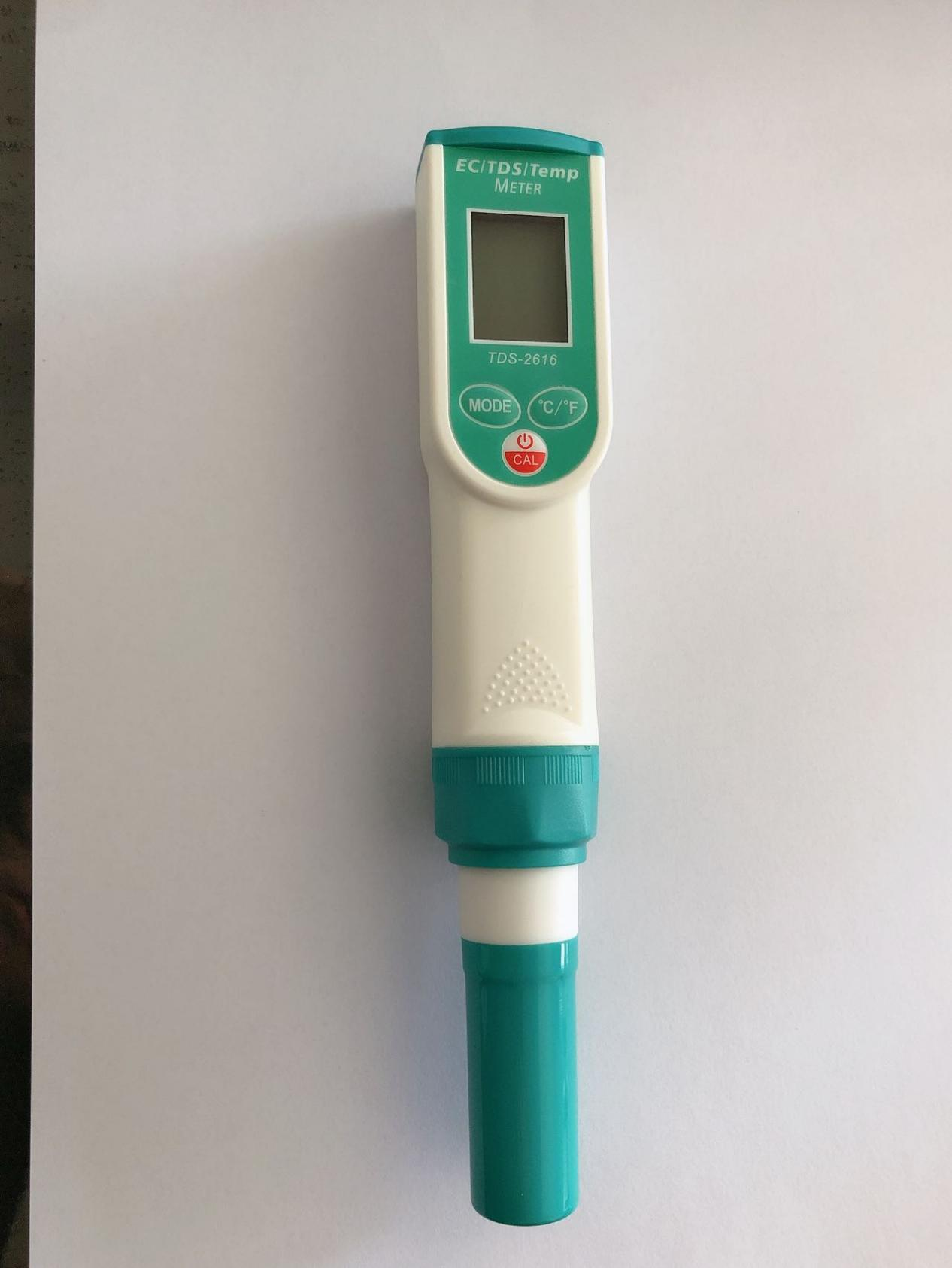 |
TDS-2616 Waterproof EC/TDS/Temperature Meter | Seller: Kelilong Electron Co.,Ltd | Range EC ~19.9mS TDS Temp 0~50℃ R... |
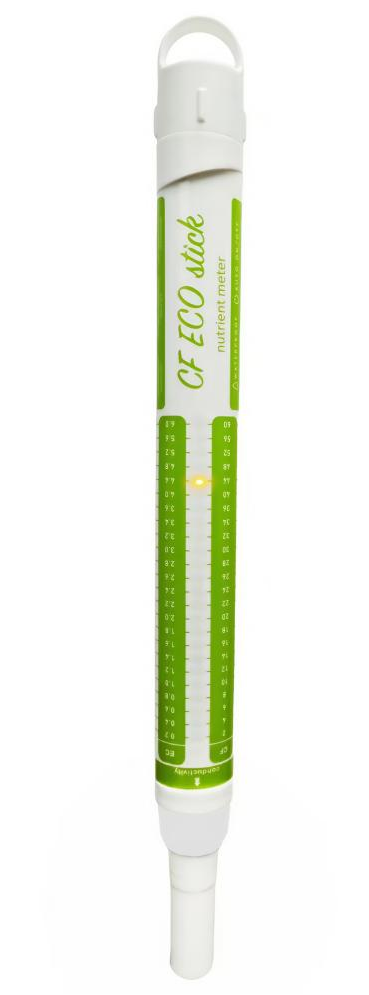 |
EC-98330 CF ECOstick - Nutrient Tester | Seller: Kelilong Electron Co.,Ltd | Ideal for hydroponics and agriculture applications, theNutrient Tester accurately measures the el... |

