

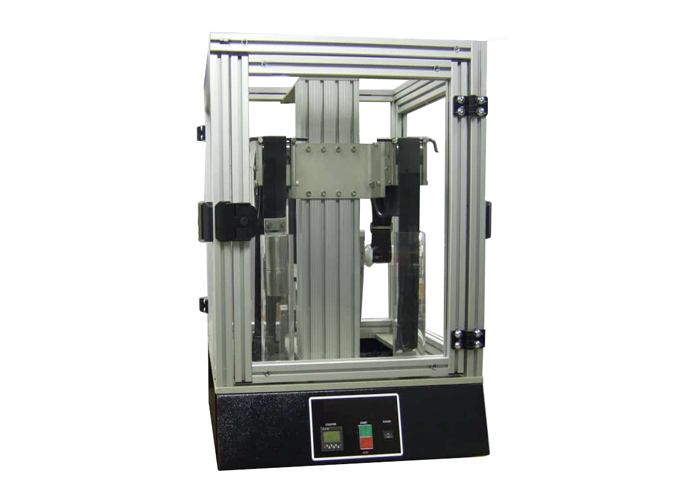
Photovoltaic module backplane peeling strength testing machine

Whats/App: +86 156 1874 6768
Web: standard-groups.com
The Photovoltaic Module Backplane Peeling Strength Testing Machine is a specialized device designed to evaluate the peeling strength of photovoltaic module backplanes, ensuring the durability and reliability of solar panels. This testing machine complies with the IEC 61730-2 standard, which is critical for assessing the safety and performance of photovoltaic modules.
This equipment is essential for manufacturers and quality control laboratories focused on photovoltaic modules, as it helps verify the adhesion strength of backplanes, which is vital for the longevity and safety of solar panels. By using this testing machine, users can identify potential weaknesses in module construction and improve product quality. The device is designed for ease of use and accuracy, making it a valuable tool in the photovoltaic industry. Please note that the information provided is intended for industry professionals and should be used as a reference.Buyers are advised to ensure they meet all relevant qualifications and regulatory requirements before purchasing.
Application
(1) Measurement of backplane peeling strength in framed and frameless PV modules
(2) Verification of adhesion quality for module encapsulants and backsheet materials
(3) Evaluation of module mechanical reliability during design and production stages
(4) Compliance testing for safety and durability assessment per IEC 61730-2
(5) Identification of potential defects in module lamination processes
Standards
(1) IEC 61730-2 – Photovoltaic (PV) Module Safety Qualification: Part 2 – Mechanical Testing
(2) Optional: ISO 178 – Plastics – Determination of Flexural Properties
(3) Optional: ASTM D1876 – Peel Resistance of Adhesives (T-Peel Test)
(4) CE Certification – Conformité Européenne
Features
High Precision Load Application: Rated load capacity of 500 N ensures accurate simulation of peeling forces.
Adjustable Peeling Method: 0–180° peeling angle accommodates a wide range of testing scenarios.
Digital Display: Real-time monitoring of test speed (50–500 mm/min) and applied force.
Consistent Glass Speed: Maintains 50±5 mm/min for reliable testing of PV module surfaces.
Maximum Stripping Force Measurement: Capable of measuring ≥200 N for backplane adhesion evaluation.
User-Friendly Operation: Simple setup with accurate, repeatable results, suitable for laboratory environments.
Parameters
| Parameter | Specification |
|---|---|
| Rated Load | 500 N |
| Travel Distance | 210 mm |
| Digital Display Test Speed | 50–500 mm/min |
| Peeling Method | 0–180° (adjustable) |
| Glass Speed | 50 ± 5 mm/min |
| Maximum Stripping Force | ≥200 N |
Accessories
(1) PV module clamps and mounting fixtures
(2) Digital force display unit
(3) Software for data acquisition and test result recording
(4) Calibration weights and verification tools
(5) User manual and compliance documentation
Test Procedures
Mount the PV module securely on the test fixture.
Set the desired peeling angle (0–180°) and test speed (50–500 mm/min) on the digital display.
Apply the rated load to initiate the peeling test.
Monitor real-time force and displacement via the digital display.
Record the maximum stripping force and peeling behavior data.
Repeat the test for multiple samples as required for statistical validity.
Analyze the results to evaluate backplane adhesion strength and consistency.
Maintenance Information
Regularly inspect clamps, fixtures, and load application components for wear or damage.
Calibrate digital display and load sensors periodically to maintain measurement accuracy.
Keep the test area clean and free from dust or moisture to prevent contamination.
Lubricate moving parts and guide rails as recommended by the manufacturer.
Store the machine in a dry, temperature-controlled environment when not in use.
Send product request
Other supplier products
 |
Fire Resistance Test Furnace for Building Materials | Whats/App: +86 156 1874 6768 Web: standard-groups.com The building materials flammability testing furnace is a testing instrument prepared accord... |
 |
Filter Media Testing Equipment | Whats/App: +86 156 1874 6768 Web: standard-groups.com Application Filter media testers are widely used in quality control and production managem... |
 |
Surgical Mask Flame Retardant Tester | Whats/App: +86 156 1874 6768 Web: standard-groups.com Flame-retardant tester for surgical mask, In case of the mask is accidentally exposed to fl... |
 |
Salt Spray Test device | Whats/App: +86 156 1874 6768 Web: standard-groups.com Meet the standard: GB/T2423.17 Product Introduction: This type of salt spray test chambe... |
 |
2 station seatbelt webbing abrasion tester for automotive safety testing | Whats/App: +86 156 1874 6768 Web: standard-groups.com Standards The tester complies with major international and automotive standards for seatbe... |
Same products
 |
KL‑016A Benchtop High‑precision pH Meter | Seller: Kelilong Electron Co.Ltd | Product Description: Large‑screen display with high resolution and precision for con... |
 |
Large Naïve VHH Library | Seller: AlpVHHs | Large Naïve VHH Library VHHare single-domain antibodies derived from the variable regions o... |
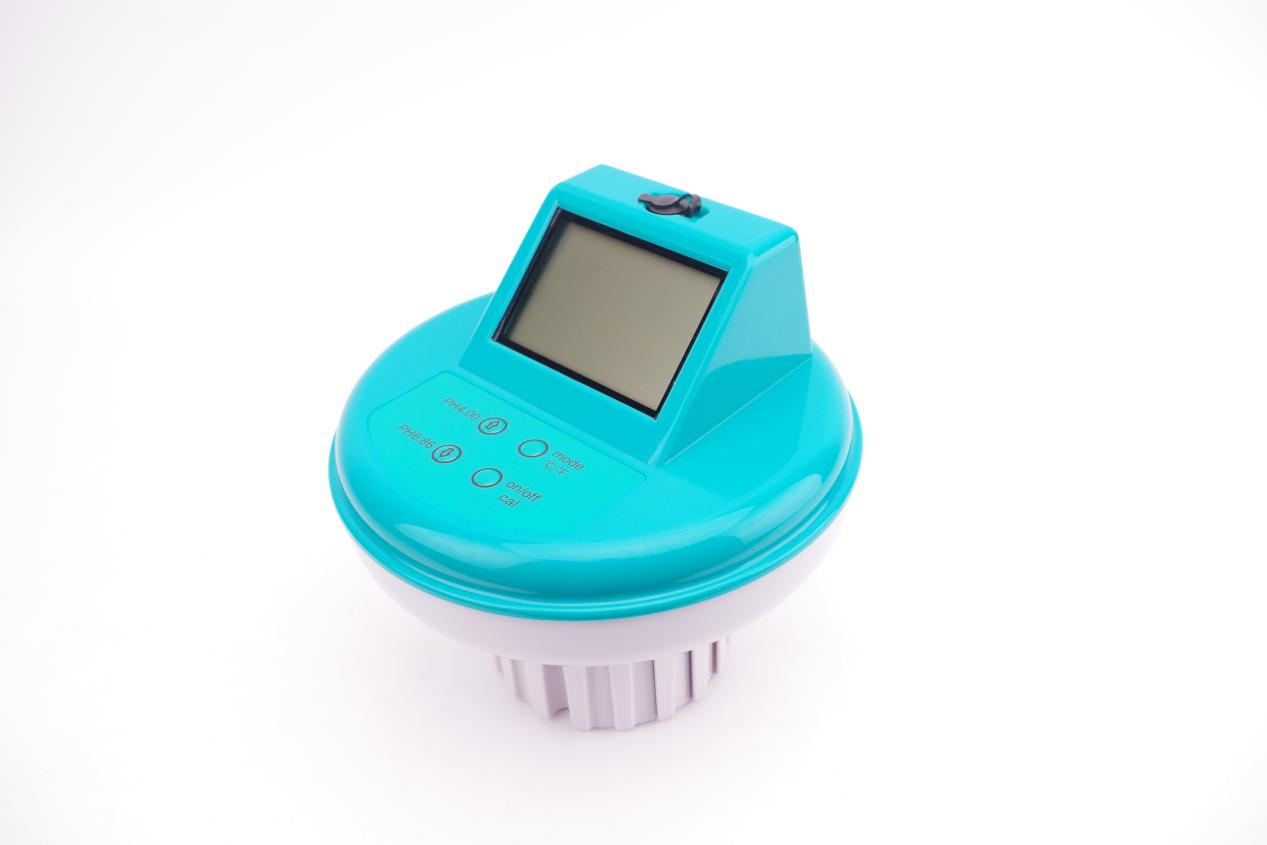 |
pH-2398 pH/EC/ORP/Temperature multi-parameter Water Quality Tester | Seller: Kelilong Electron Co.,Ltd | Feature Large display screen, capable of simultaneously measuring water quality pH, redox potent... |
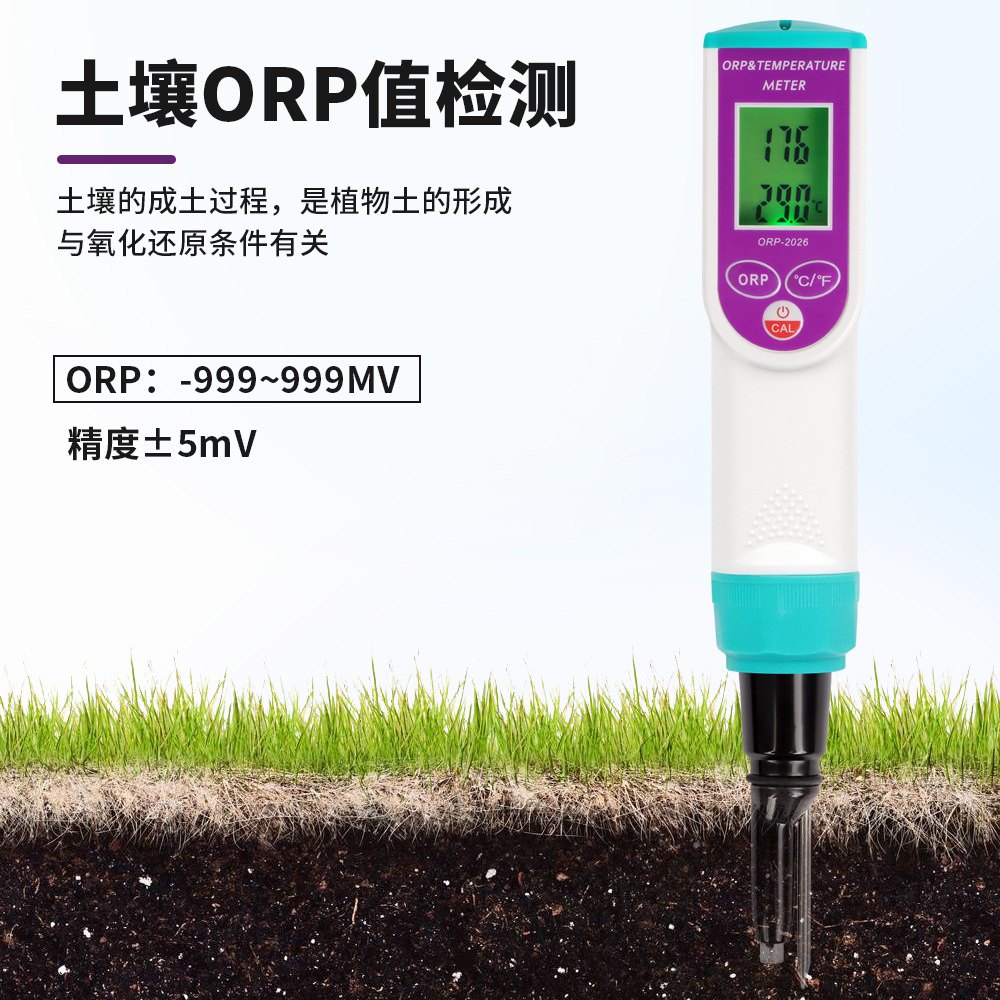 |
ORP-2026S Waterproof Soil ORP and Temperature Meter | Seller: Kelilong Electron Co.,Ltd | 范围 ORP -999~999mV Temp 0~50℃ 分辨率 ORP 1mV... |
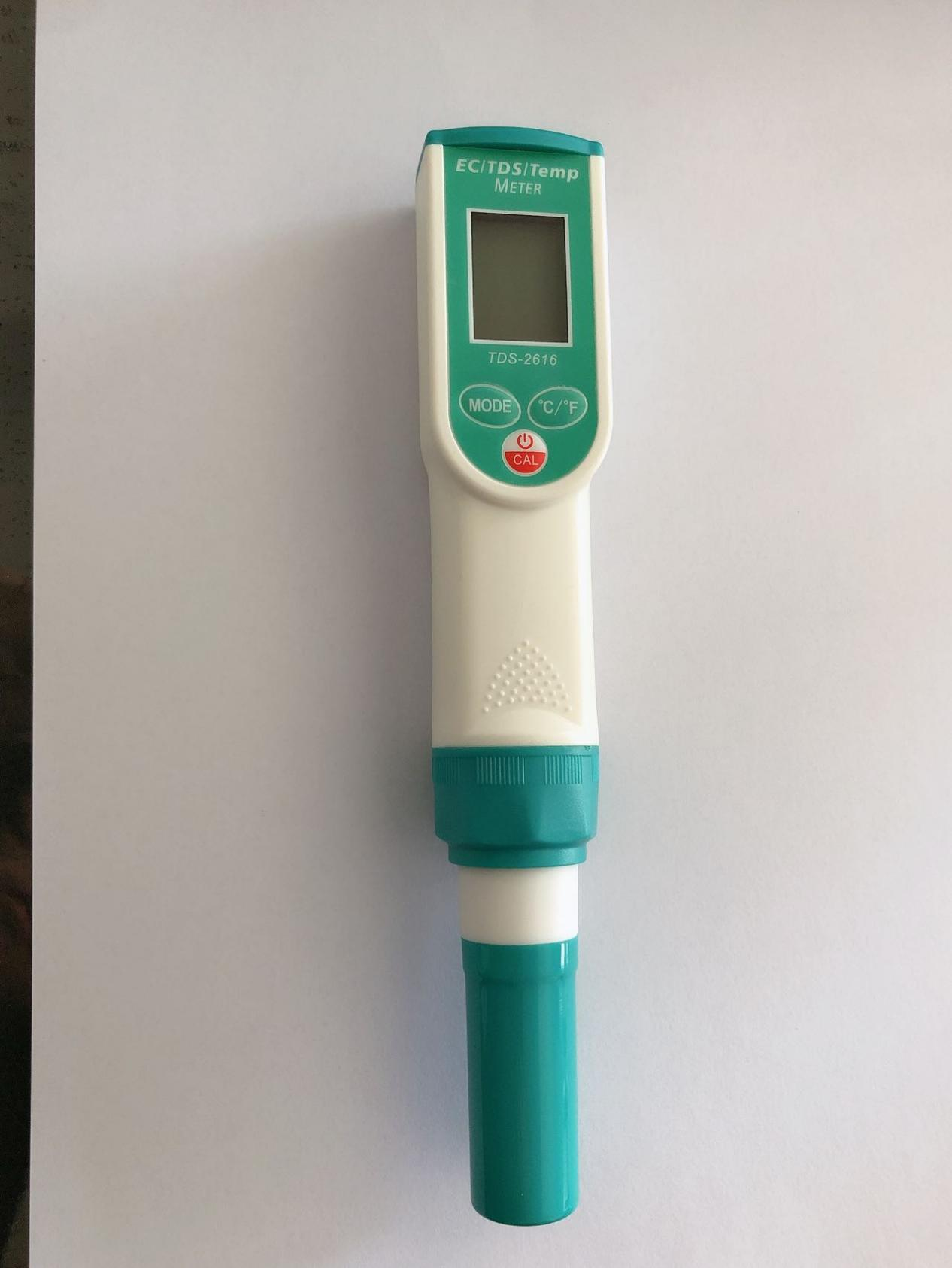 |
TDS-2616 Waterproof EC/TDS/Temperature Meter | Seller: Kelilong Electron Co.,Ltd | Range EC ~19.9mS TDS Temp 0~50℃ R... |

