

Adhesion Tester

Whats/App: +86 156 1874 6768
Web: standard-groups.com
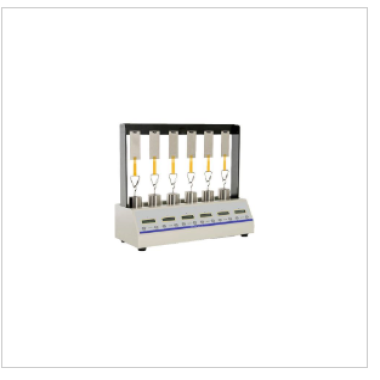
The adhesion tester is a device specifically used to detect the strength of the adhesion of materials.
Applications
The adhesion tester has extensive application value in multiple fields, including but not limited to: - Medical Field: It is used to evaluate the adhesion performance of medical products such as medical gels, dressings, and patches, ensuring that they can stably adhere to the skin in practical applications and exert therapeutic effects. - Cosmetics and Skin - care Industry: It tests the adhesion of cosmetic gel products, facial masks, eye creams, etc., to ensure that they can closely fit the skin during use and enhance the product's effectiveness. - Food Manufacturing Industry: It is used to detect the adhesion performance of food - grade gels, packaging materials, etc., ensuring their stability during food processing, packaging, and transportation. - Adhesive Industry: It tests the adhesion of various adhesives, adhesive tapes, labels, etc., to evaluate their quality and performance. - Materials Science Field: It studies the adhesion performance of materials, providing basic data support for material development and application.
Standards
- Specific standards for different test objects, such as the adhesion test standards for medical gels, cosmetics and skin
- care products, food packaging materials, etc.
- General standards in the adhesive industry, such as GB/T 2792 Test Method for 180°Peeling Strength of Pressure
- Sensitive Adhesive Tapes, ASTM D3330 Standard Test Method for Peel Adhesion of Pressure - Sensitive Tape, etc. These standards specify in detail the test methods for the adhesion tester, specimen preparation, test conditions, etc., providing a unified standard for the use of the tester.
Features
1. 7-inch touchscreen control, stylish human-machine interface
2. Lead screw drive system, greatly improving the accuracy of transmission displacement and enabling stepless speed regulation.
3. Allows for parameter setting, printing, clearing, calibration, and other operations.
4. Calibration interface password protected to prevent errors in calibration force values due to accidental operation.
5. Features power-off memory, overload protection, and line position protection.
6. The instrument has applied for a patent for its sensor protection device function, patent number: ZL.8
7. Equipped with a standard USB interface and a printer interface for easy connection to a computer.
8. The instrument can complete tests independently, and the mini printer automatically prints the test results.
Technical Parameters
| Technical Parameter | Specification |
|---|---|
| Measurement Range | Usually covering 0 - 30000mN or wider (adapts to different materials). Some devices have a smaller range (e.g., 0.01N - 100N), suitable for materials with relatively low adhesion. |
| Measurement Accuracy | Generally grade 0.5 or higher; ensures the accuracy of test results. |
| Stroke | Usually 650mm or longer; meets requirements of different specimen sizes and test methods. |
| Pressing Roller Mass | Usually 2000g±50g; applies pressure to the specimen to ensure tight adhesion between the specimen and the test plate. |
| Test Speed | Adjustable range: generally 1 - 500mm/min (stepless speed regulation) to simulate different peeling speeds; some devices have a wider speed-adjustment range. |
| External Dimensions | Usually about 880mm (length) × 320mm (width) × 400mm (height); facilitates placement and movement (dimensions vary by brand/model). |
| Power Supply | Usually AC 220V 50Hz (ensures normal operation of the tester); some devices support other voltages and frequencies. |
Accessoriess
Standard Configuration: Main unit, standard fixtures, mini printer
Optional Accessories: Professional software, communication cable, test plate, standard pressure roller, sampling knife, custom-made non-standard fixtures
Note: This machine can operate independently. If connection to a computer is required, the computer must be provided by the user. The mini printer is thermal.
Test Procedures
1. Equipment Preparation
Connect to AC 220V 50Hz power supply. Use a standard adhesion sample calibration device conforming to GB/T 2792 (ensuring measurement accuracy of 0.5 grade or higher). Confirm that the pressure roller (2000g±50g), clamps, and other components are in normal condition.
2. Sample Preparation
According to the test object (e.g., medical adhesive removal, food packaging materials),
cut the sample according to the corresponding standard (e.g., ASTM D3330) (e.g., for 180-degree peel tests, the sample size must match). Clean the sample and test plate surfaces (remove impurities to avoid affecting adhesion).
3. Parameter Settings
Select the compliant standard (e.g., GB/T 2792) through the instrument interface, set the measurement range (e.g., 0-30000mN), and test speed (1-500mm/min, select as needed). 4. Sample Adhesion and Clamping
Affix the sample to the test plate and roll it back and forth with the pressure roller a specified number of times (e.g., the number of rolls required by the standard) to ensure a tight fit between the sample and the test plate.
Then, fix the test plate/sample to the instrument fixture, aligning it with the force direction of the peel/adhesion test (e.g., the fixture angle for a 180-degree peel).
5. Start the Test
After confirming that the clamping and parameters are correct, start the test program. The instrument will automatically complete the adhesion force test at the set speed and record the force value data in real time.
6. Result Processing
After the test, export the data and determine whether the adhesion force meets the requirements by referring to the corresponding standard (e.g., ASTM D3330). If multiple tests are required, repeat the sample clamping and testing steps.
7. Post-processing
Remove the sample, clean the fixture, pressure roller, and test plate, and turn off the equipment power.
Send product request
Other supplier products
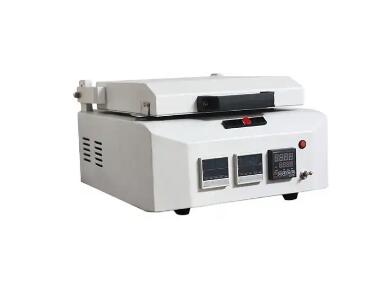 |
aatcc scorch & sublimation tester丨aatcc scorch & sublimation chamber | Whats/App: +86 156 1874 6768 Web: standard-groups.com Brief Introduction Scorch/Sublimation Tester is used in the laboratory to evaluate colour ... |
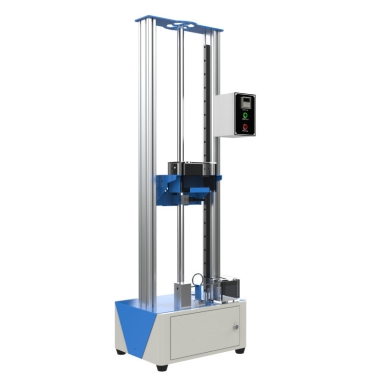 |
Catheter bending resistance tester | Whats/App: +86 156 1874 6768 Web: standard-groups.com The Catheter Bending Resistance Tester is a specialized instrument designed to evaluate the... |
 |
Electric Cables Halogen Acid Gas Release Tester OEM Supplier | Get a quote: Whats/App: +86 156 1874 6768 Web: standard-groups.com E-mail:info@standard-groups。com Parameters ItemSpecification Tub... |
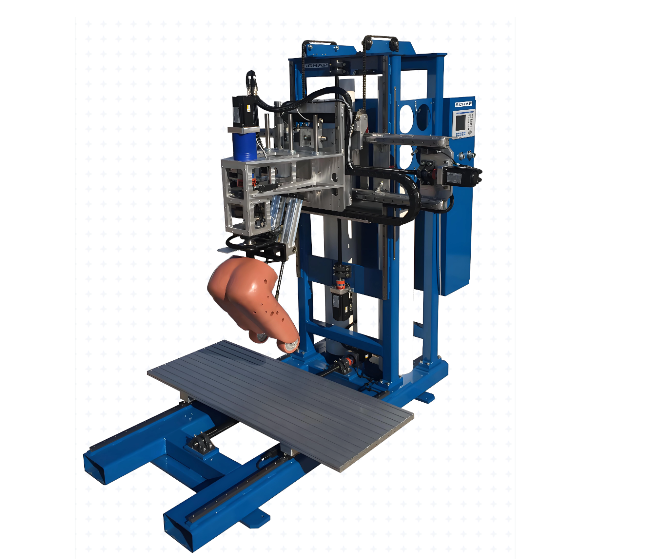 |
True Body Weight Ingress Egress Tester,Car seat simulates Ingress/Egress tester | Whats/App: +86 156 1874 6768 Web: standard-groups.com The True Body Weight Ingress/Egress Tester is a specialized machine designed to evaluate ei... |
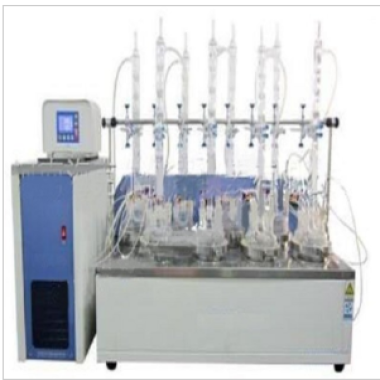 |
Metal Corrosivity Tester | Whats/App: +86 156 1874 6768 Web: standard-groups.com The Metal Corrosivity Tester is used to determine the corrosivity of liquids and solids tha... |
Same products
 |
KL‑016A Benchtop High‑precision pH Meter | Seller: Kelilong Electron Co.Ltd | Product Description: Large‑screen display with high resolution and precision for con... |
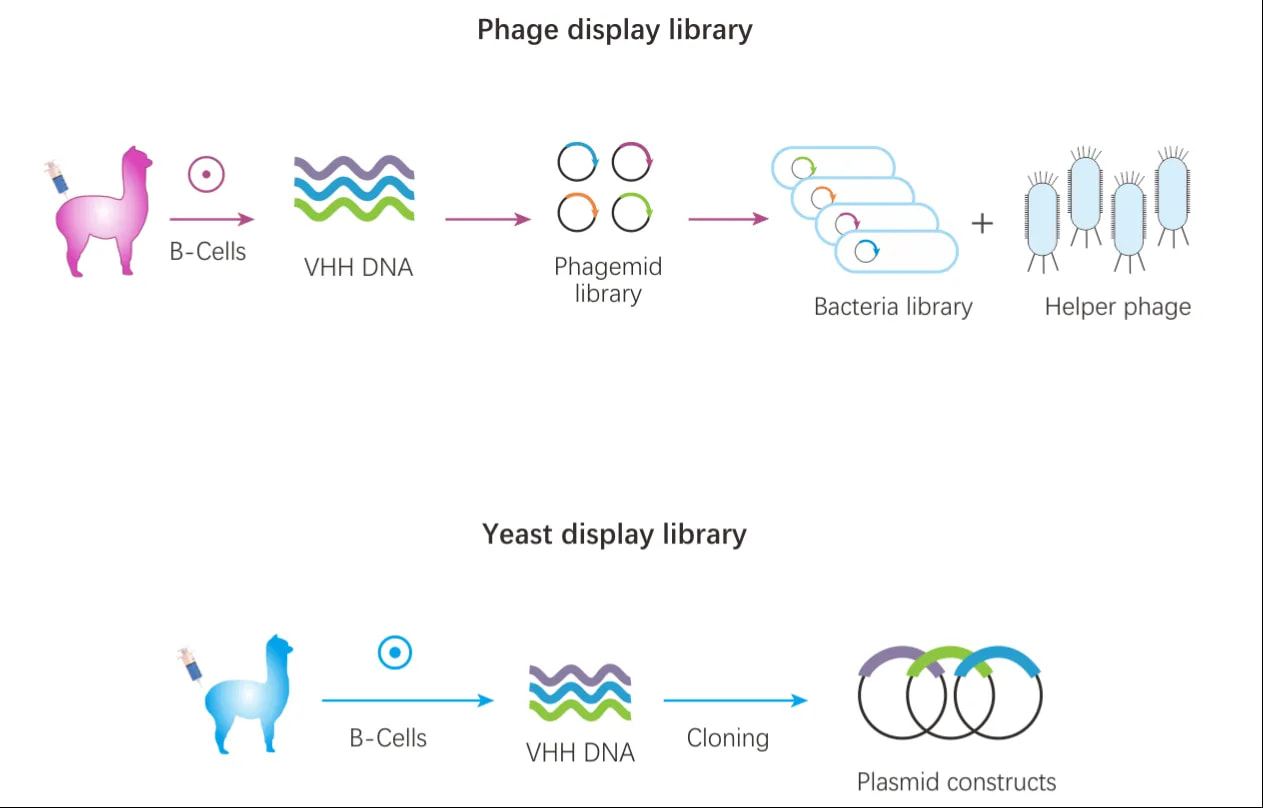 |
Large Naïve VHH Library | Seller: AlpVHHs | Large Naïve VHH Library VHHare single-domain antibodies derived from the variable regions o... |
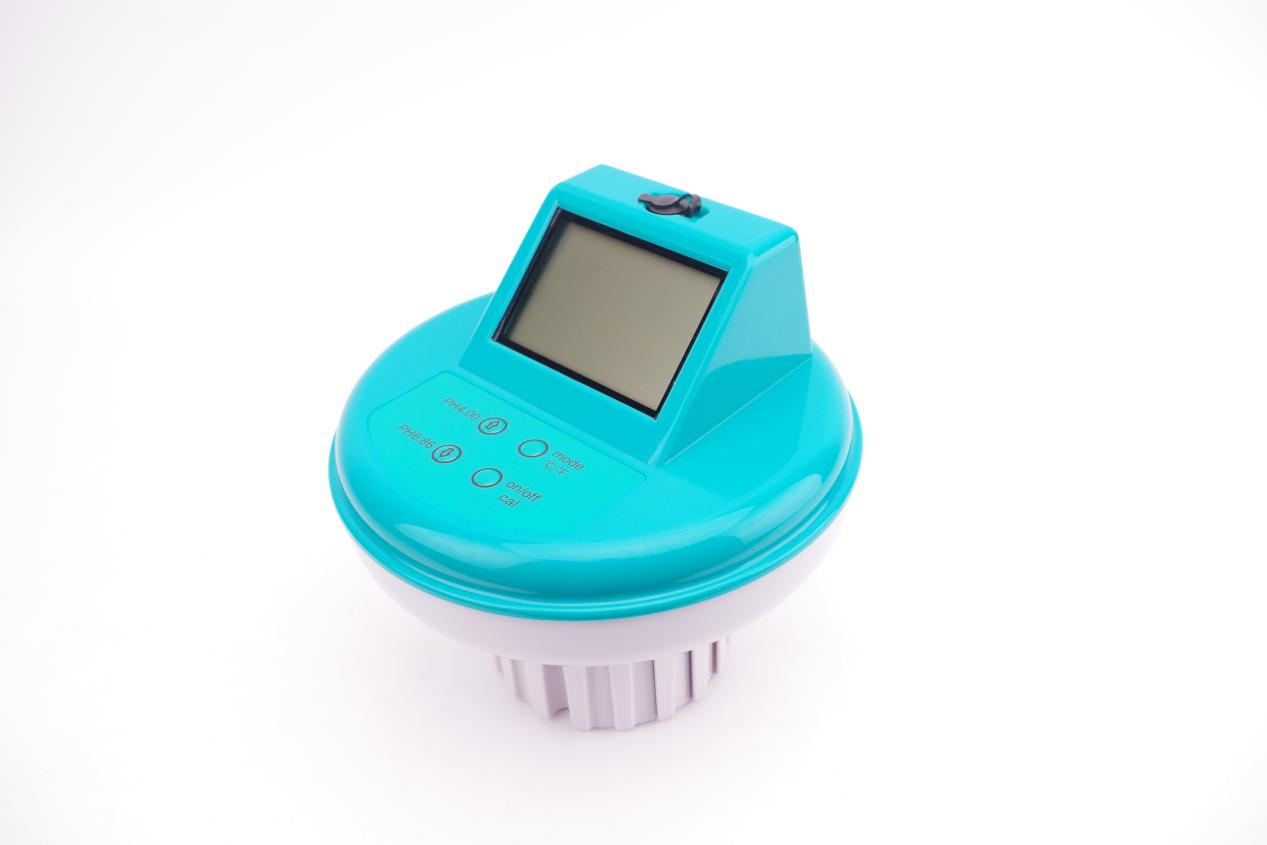 |
pH-2398 pH/EC/ORP/Temperature multi-parameter Water Quality Tester | Seller: Kelilong Electron Co.,Ltd | Feature Large display screen, capable of simultaneously measuring water quality pH, redox potent... |
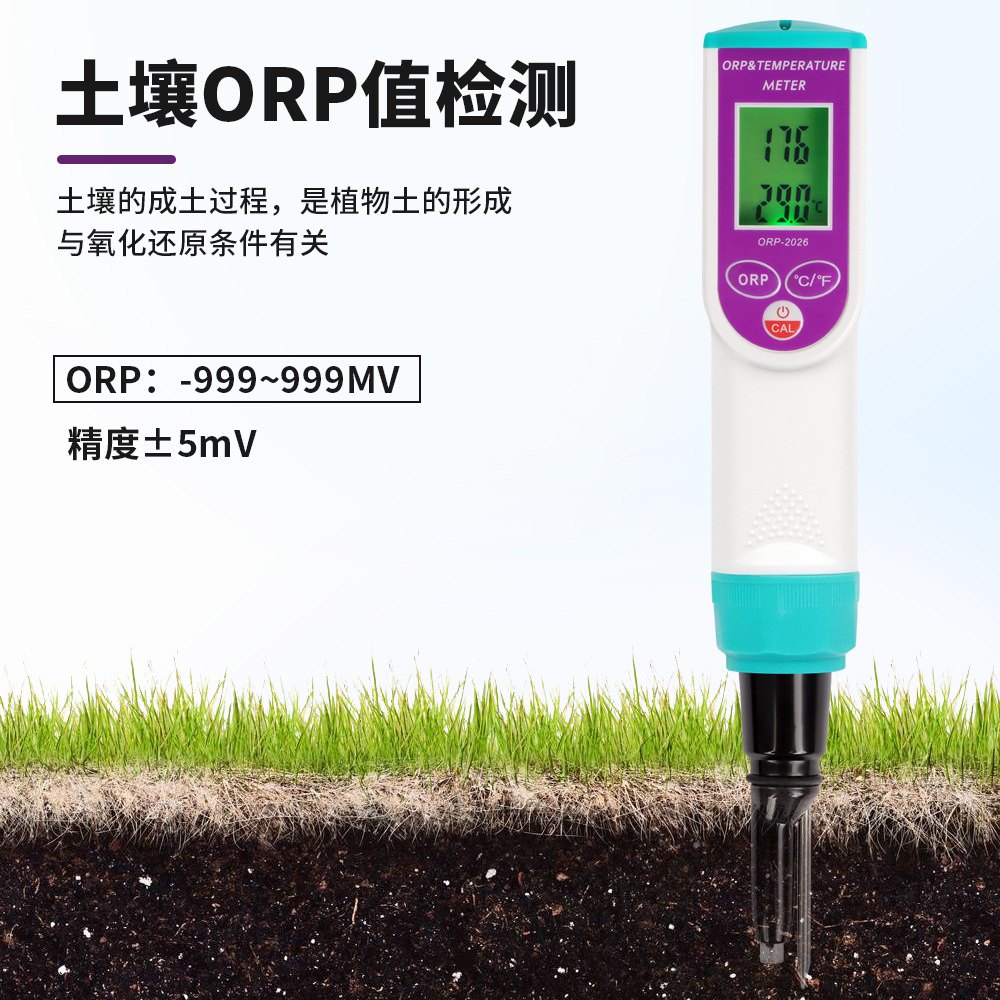 |
ORP-2026S Waterproof Soil ORP and Temperature Meter | Seller: Kelilong Electron Co.,Ltd | 范围 ORP -999~999mV Temp 0~50℃ 分辨率 ORP 1mV... |
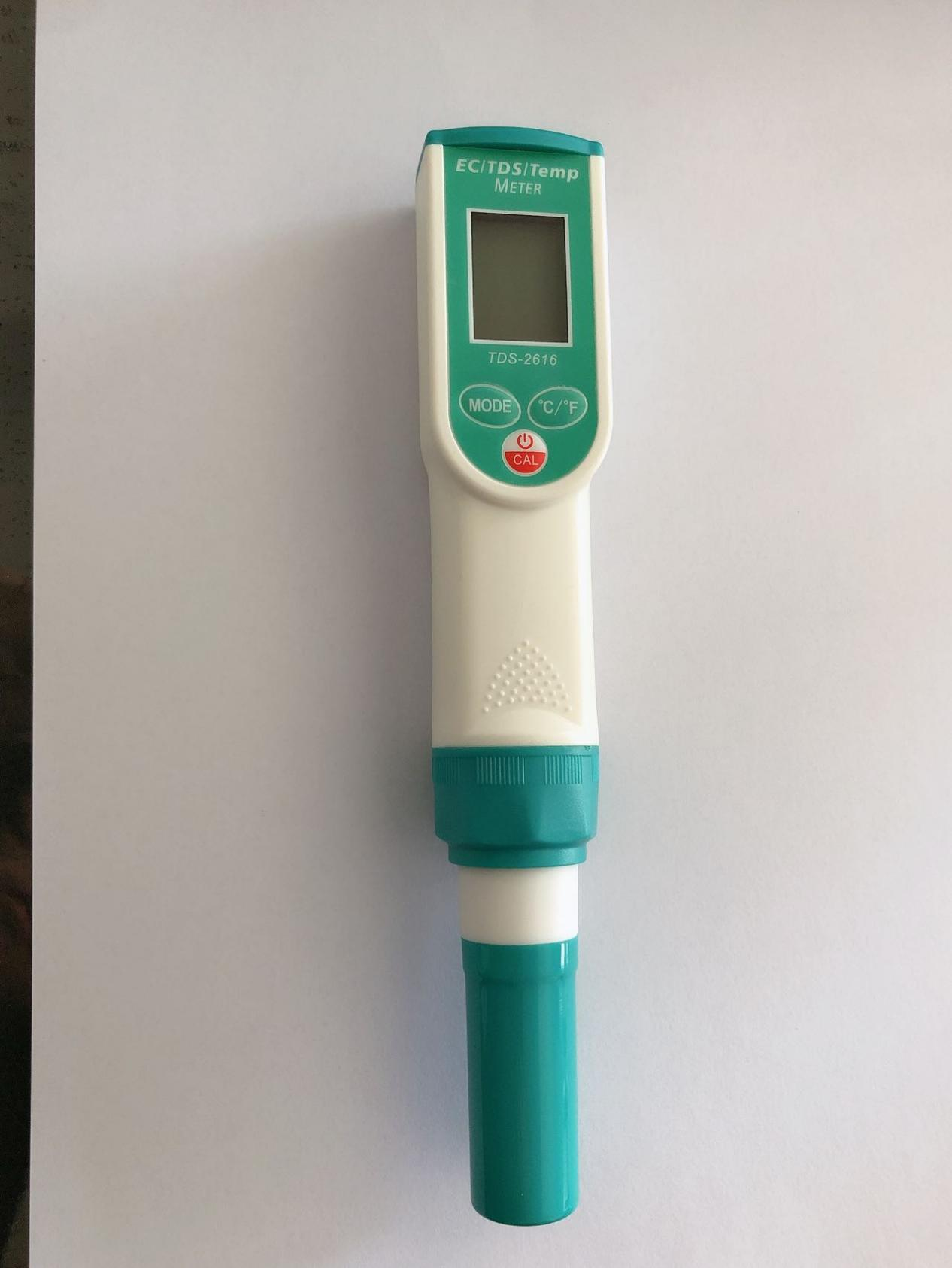 |
TDS-2616 Waterproof EC/TDS/Temperature Meter | Seller: Kelilong Electron Co.,Ltd | Range EC ~19.9mS TDS Temp 0~50℃ R... |

