

Automatic Reaction Calorimeter

Whats/App: +86 156 1874 6768
Web: standard-groups.com
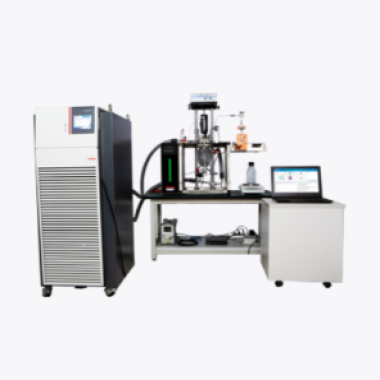
This instrument is a professional testing instrument that simulates the specific process of chemical reactions on a liter scale, and measures and controls important process variables. It can simulate the real situation of batch or semi-batch reactions in a factory under laboratory conditions.
Applications
This instrument simulates real-world intermittent or semi-intermittent reactions in a factory, measuring the exothermic heat flow of samples within the reactor in real time. It obtains information on the total exothermic heat, specific exothermic heat, real-time conversion rate, and material accumulation, automatically calibrating the specific heat capacity and heat transfer coefficient of the material system. It then calculates the adiabatic temperature rise of the target reaction and the maximum temperature the system can reach after runaway, thereby assessing the hazard level of the reaction process and providing a basis for process optimization and scale-up. It is widely used in reaction process design, process optimization and scale-up, process safety assessment, and scientific research on reaction thermodynamics in fields such as fine chemicals, pharmaceuticals, agricultural fertilizers, and third-party safety assessment.
Standards
GB 51283-2020: Fire Protection Standard for Engineering Design of Fine Chemical Enterprises
GB/T 22232-2008: Determination of Thermal Stability of Chemical Substances - Differential Scanning Calorimetry
GB/T 17802-2011: Thermal Analysis Test Method for Kinetic Constants of Thermally Unstable Substances
SN/T 3078.1-2012: Guidelines for the Evaluation of Thermal Stability of Chemicals - Part 1: Accelerated Calorimetry
Features
1. It offers three calorimetry methods: heat - flow, power - compensation, and reflux, allowing users to choose according to their needs.
2. It supports multiple operation modes such as isothermal, constant - temperature, and scanning.
3. Optional glass normal - pressure reaction vessels, glass medium - pressure reaction vessels, and metal high - pressure reaction vessels are available.
4. It has an external database, and one system supports the interchange of multiple sets of reaction vessels.
5. With high - power heating and cooling units, it features fast temperature - control response and high - precision exothermic measurement.
6. Automatic feeding control can be achieved by mass or volume measurement.
7. It can accurately measure and obtain process - safety - related data such as reaction heat - flow, reaction enthalpy, conversion rate, specific heat capacity of samples, adiabatic temperature rise, and the maximum temperature that an out - of - control system can reach.
8. The Chinese - language software platform enables flexible programming of experimental procedures, real - time monitoring of key reaction - process data, and online modification of experimental procedures and parameters.
9. It can display the temperature inside the vessel, the temperature of the jacket, the mass of the added materials, and other test status information in real - time.
10. The safety thresholds for key parameters and states can be set. In case of reaction out - of - control, it can be quickly cooled with one click, and it will issue alarms and automatically stop in case of abnormal states, effectively ensuring safety.
11. It can automatically generate and save charts and data, and export experimental analysis reports.
Technical Parameters
|
Calorimetry Method |
Heat Flow, Power Compensation (Option), Reflow (Option) |
|
Temperature Control |
|
|
Kettle Temperature Range |
(-25 to 200)°C |
|
Oil Bath Temperature Range |
(-45 to 250)°C |
|
Control Method |
Isothermal, Constant Temperature, Scanning |
|
Temperature Resolution |
1.0mK |
|
Temperature Control Precision |
±0.1K |
|
Silicone Oil Circulation Speed |
(35 to 76)L/min |
|
Control |
|
|
Driver Voltage Range |
(0 to 50)VDC |
|
Driver Maximum Current |
3.0A |
|
Heater Maximum Power |
120W |
|
Atmospheric Pressure Glass Kettle (Option) |
1000mL, other volumes available |
|
Reactor Volume |
Atmospheric Pressure |
|
Working Pressure |
Glass |
|
Reactor Material |
Medium-Pressure Glass Kettle (Option) |
|
Medium-Pressure Glass Kettle (Option) |
|
|
Reactor Volume |
0.6MPa or 1.2MPa |
|
Working Pressure |
Glass |
|
Kettle Material |
316L Stainless Steel or Hastelloy |
|
Kettle Lid Material |
1000mL, other volumes customizable |
|
High-Pressure Metal Reactor ( (Optional) |
10MPa |
|
Reactor volume |
316L Stainless Steel or Hastelloy |
|
Working pressure |
Stirrer |
|
Reactor material |
2000r/min, 3000r/min optional |
|
Stirrer |
|
|
Maximum speed |
Anchor or Paddle |
|
Maximum torque |
PTFE, 316L, or Hastelloy |
|
Stirrer paddle form |
Sampling system |
|
Stirrer paddle material |
Range 3100g, Accuracy 0.01g |
|
Sampling system |
|
|
Precision balance |
Medium-pressure pump: electromagnetic diaphragm pump, the maximum flow rate of 2L / h; high-pressure pump: precision piston pump, the maximum flow rate of 2.4L / h |
|
Sampling channel |
3*400V/50Hz(±10%)/20A |
|
Sampling pump |
7000VA |
|
Other parameters |
1200mm*600mm*1850mm |
|
Power supply |
600mm*700mm*1300mm |
|
Power |
210kg |
|
Test area size |
300kg |
|
Oil bath size |
Heat Flow, Power Compensation (Option), Reflow (Option) |
|
Oil bath weight |
Temperature Control |
|
Total machine weight |
(-25 to 200)°C |
Accessoriess
Optional reactor types: Glass atmospheric pressure reactor, glass medium pressure reactor, metal high pressure reactor
Functional components: High-power heating/cooling unit, automatic feeding control unit (supports mass/volume measurement)
Auxiliary modules: External database module, Chinese experimental software platform
Test Procedures
1. Pre-Experiment Preparation
Select a suitable reactor (glass atmospheric/medium pressure or metal high pressure)
Install the stirrer, temperature sensor, and condenser
Connect the heating/cooling circulation system
Initialize the software and set experimental parameters (temperature, stirring rate, injection strategy)
2. Calibration Procedure
Heat Flow Method: Baseline measurement → Power calibration → Baseline recovery → Recalibration (obtain UA value)
Power Compensation Method: Set jacket temperature → Built-in heater compensates to maintain zero temperature difference → Directly measure compensated power
3. Reaction Testing
Add the base material and start stirring for preheating
Pre-reaction calibration (establish heat loss baseline)
Start the reaction (manual/automatic feeding), monitor temperature, pressure, and heat flow in real time
Post-reaction calibration (calculate total heat release)
Data Recording: Enthalpy change, adiabatic temperature rise, maximum reaction rate time (MTR)
4. Safety Precautions
High-pressure experiments must use a dedicated reactor (such as a Calvet reactor). (Type) Strongly exothermic reactions require safety interlocks and emergency cooling. Wear protective equipment; ensure good ventilation in the experimental area. Regularly check the oxygen bomb's seal (it is recommended to replace the sealing ring every six months).
Send product request
Other supplier products
 |
Multi-Functional Scratch Tester Manufacturer | Get a quote: Whats/App: +86 156 1874 6768 Web: standard-groups.com The Multi-Functional Scratch Tester suits automotive interior materials like ... |
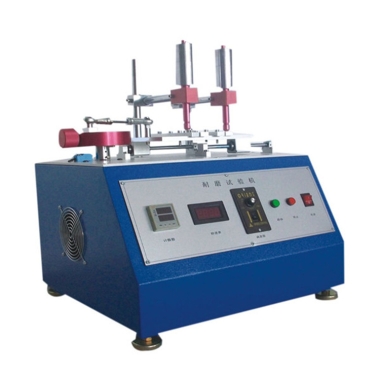 |
Alcohol Abrasion Testing Machine (for Alcohol abrasion tester) | Whats/App: +86 156 1874 6768 Web: standard-groups.com Product Introduction: This machine adopts variable convex shaft structure, diameter Japane... |
 |
Automatic luer conical joint multi-function apparatus | Whats/App: +86 156 1874 6768 Web: standard-groups.com Application This tester is suitable for a broad range of medical Luer connection testing s... |
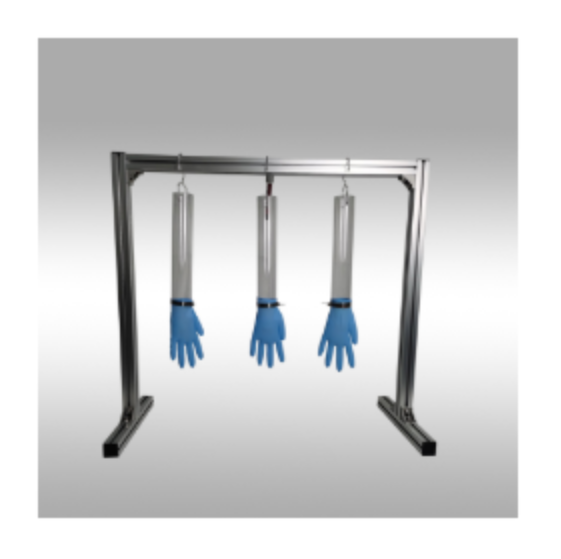 |
Medical Laboratory Glove Testing Equipment Manufacturer | Get a quote: Whats/App: +86 156 1874 6768 Web: standard-groups.com The medical glove water-impermeability tester is used to determine the water-... |
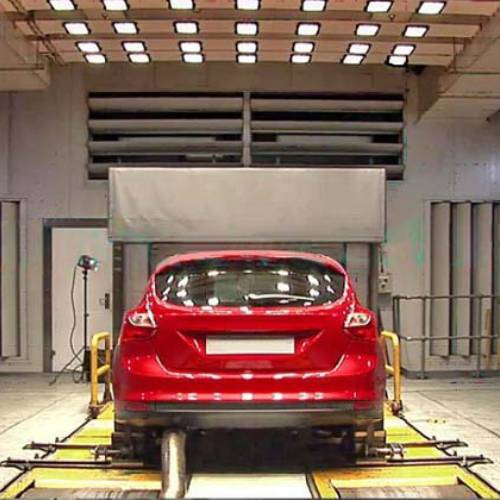 |
Full Vehicle Environmental Performance Test Chamber, ISO 12219 | Whats/App: +86 156 1874 6768 Web: standard-groups.com Full Vehicle Environmental Performance Test Chamber is a specialized facility designed for ... |
Same products
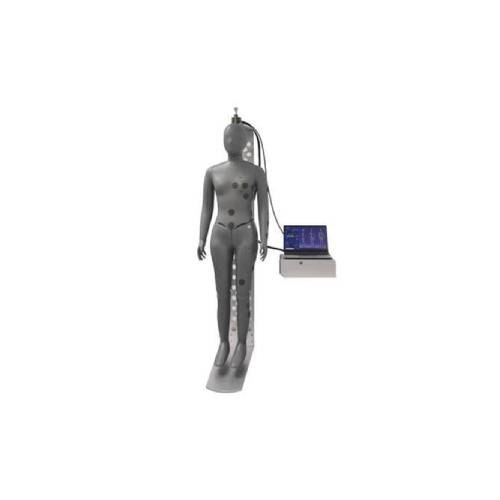 |
Full-Body Garment Stress Tester,FZ/T 70015 | Seller: Standard International Group (HK) Limited | Whats/App: +86 156 1874 6768 Web: standard-groups.com TheFull-Body Garment Stress Testeris a pr... |
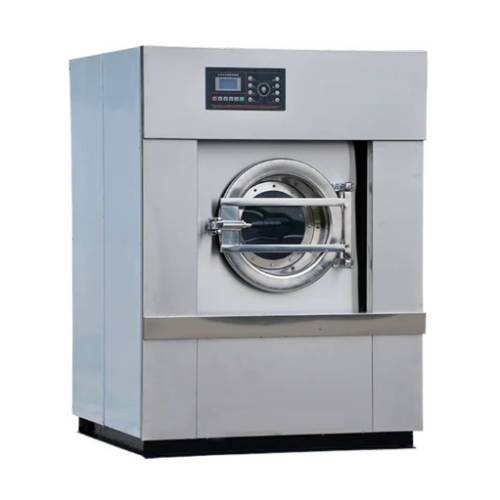 |
Industrial Dry Cleaning Machine,industrial garment steamer | Seller: Standard International Group (HK) Limited | Whats/App: +86 156 1874 6768 Web: standard-groups.com TheIndustrial Dry Cleaning and Energy-Sav... |
 |
MST Medical Compression Stocking Tester,compression sock tester | Seller: Standard International Group (HK) Limited | Whats/App: +86 156 1874 6768 Web: standard-groups.com The MST Medical Compression Stocking Test... |
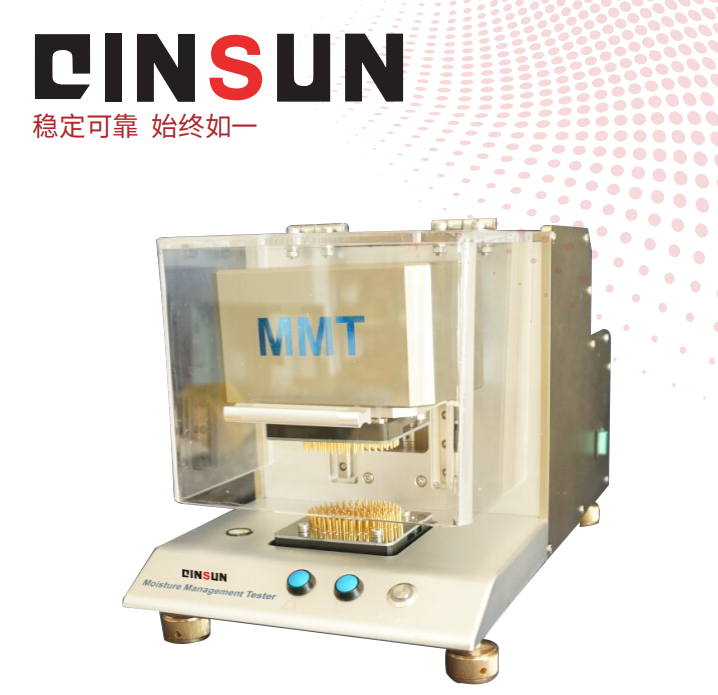 |
MMT Liquid Water Separation Tester,MMT Liquid Water Analysis Tool | Seller: Standard International Group (HK) Limited | Whats/App: +86 156 1874 6768 Web: standard-groups.com Applications Textile Manufacturing:Testi... |
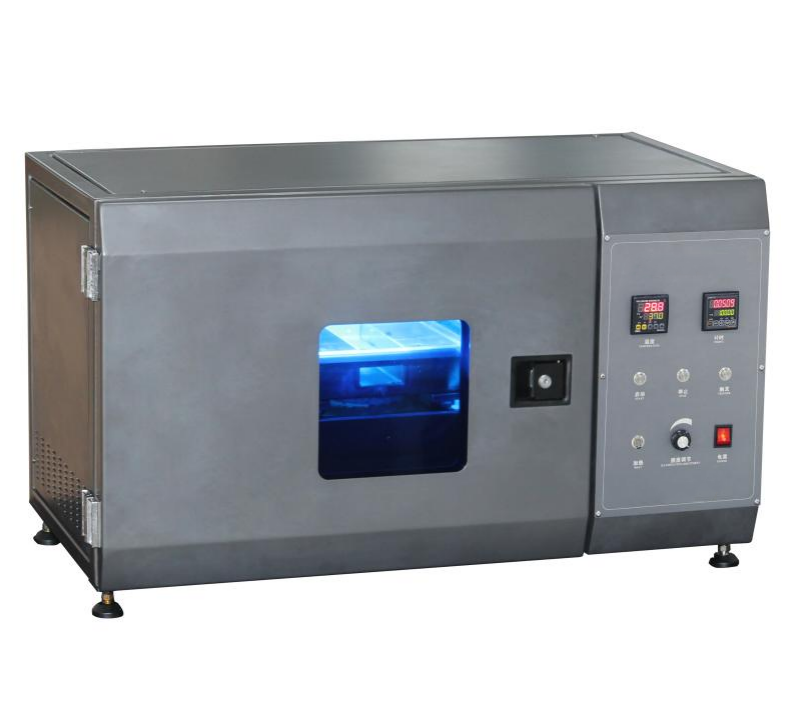 |
Dental material color stability tester | Seller: Standard International Group (HK) Limited | Whats/App: +86 156 1874 6768 Web: standard-groups.com Application The applications of color st... |

