

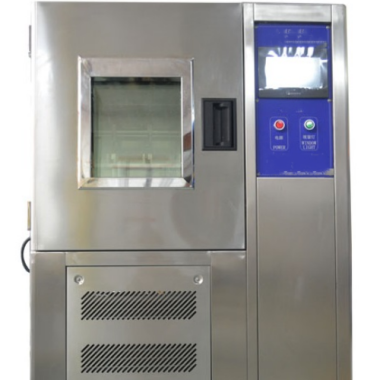
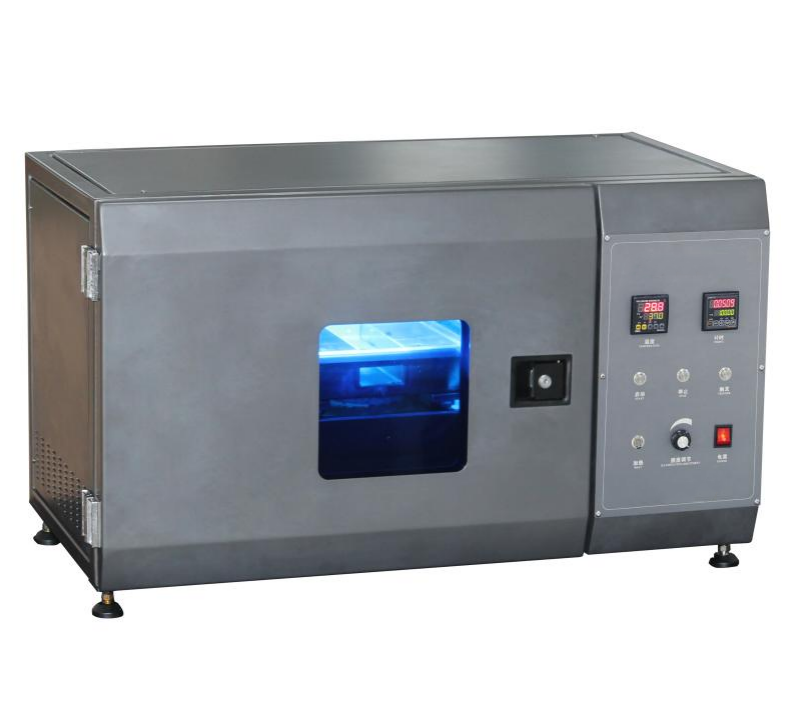
Vertical low temperature cold resistance testing machine

Whats/App: +86 156 1874 6768
Web: standard-groups.com
Luggage rod reciprocating testing machine for luggage rod reciprocating fatigue test. In the test, the specimen will be stretched to test the gap generated by the tie rod, loosening, connecting rod failure, deformation, etc.
Application
1. Consumer Electronics: With the widespread adoption of electronic products such as smarts, tablets, and wearable devices, the bending performance of their screens, casings, and other components in cold environments has become a key concern for users. This testing machine allows manufacturers to evaluate product durability under extreme climatic conditions, ensuring that the user experience remains unaffected.
2. Automotive and Aerospace: In the aerospace industry, the casings, wings, and other structural components of aircraft and rockets need to withstand high-altitude low temperatures and complex aerodynamic loads; in the automotive industry, with the rise of electric and smart vehicles, the low-temperature resistance and bending strength of battery packs and body frames are equally important. The vertical low-temperature bending test machine provides strong support for material research and product design in these fields.
3. Building Materials and Piping Systems: In extremely cold regions, the thermal insulation performance of building exterior walls and the antifreeze performance of piping systems directly affect residents' quality of life and public safety. This testing machine can simulate extreme low-temperature conditions to test the crack resistance, flexibility, and overall structural stability of materials.
4. New Energy and Environmental Protection Technologies: In new energy fields such as wind and solar power, the low-temperature resistance and wind pressure bending strength of key components such as wind turbine blades and photovoltaic panels directly affect the power generation efficiency and service life of the equipment. The vertical low-temperature bending test machine provides a reliable testing method for technological innovation and product optimization in these fields.
Standards
ASTM-D1790:Standard test method for determining the brittle temperature of plastic films using the impact method.
ASTM-D1593 :Standard Specification for Nonrigid Vinyl Chloride Plastic Film and Sheeting
ASTM-D1052 : Standard Test Method for Measuring Rubber Deterioration Using the Ross Flexing Machine — Cut Growth
JIS-K6545 : Method for testing the flexural resistance of leather
CNS-7705 : Leather Flexing Resistance Test Method
ISO 20344 : Personal protective equipment — Test methods for footwear
GB/T 20991-2007: Personal protective equipment — Test methods for footwear
Features
1. High-precision temperature control: Utilizing advanced refrigeration technology and a temperature feedback system, the test chamber maintains stable and uniform temperatures, providing strong assurance for the accuracy of test results.
2. Flexible and diverse testing schemes: Supports various bending modes (such as reciprocating bending and fixed-point bending), and allows for setting different speeds and angles, meeting the needs of different products and testing requirements.
3. Efficient data acquisition and analysis: Integrated with advanced sensors and data processing software, it can record and analyze various parameters during the testing process in real time, providing a scientific basis for product performance evaluation and optimization.
4. Easy operation and maintenance: The user-friendly interface and automated maintenance procedures reduce operating difficulty and maintenance costs, improving work efficiency.
Technical Parameters
| Product Specification | Details |
|---|---|
| Inner and outer box material | Stainless steel #304 |
| Controller | Touch screen control |
| Temperature range | (1) normal temperature - 30℃; (2) normal temperature - 50℃ (optional) |
| Optional inner box action | Leather flex fixture (optional to install finished shoes with bending resistance, outsole zigzag resistance fixture) |
| Protection device | Thermal protection stop, leakage protection stop, overtemperature protection, overload protection and other functions |
| Control accuracy | ±0.3℃ |
| Distribution uniformity | ±0.1℃ |
| Cooling speed | From room temperature to -30℃ |
| Refrigerant | R404 environmental refrigerant |
| Compressor | Original fully hermetic |
| Compressor starting delay | 5min |
| Power consumption | 4-6KW |
| Insulation material | Rigid foam and glass wool |
| Counter | LCD 0——999.999 |
| Window | (210×35×270)mm, two vacuum layer |
| Window light | P1 light, 5W |
| Power supply | AC380V 50Hz or AC220V 50HZ |
| Motor | No belt multi-import gear reducer motor |
| Inner box size | (600×600×550) mm |
| Volume | (110×105×160) cm |
| Weight | 200kg |
Accessoriess
Refrigeration System: Utilizing advanced refrigeration technologies such as liquid circulation, mechanical compression refrigeration, or a combination of both, the system can quickly lower the temperature inside the test chamber to the set value and maintain a stable low-temperature environment. The efficiency and stability of the refrigeration system directly affect the accuracy of the test results.
Temperature Control System: Through high-precision temperature sensors and PID control algorithms, precise control of the temperature inside the test chamber is achieved. Users can set any temperature point according to test requirements, and the temperature control system automatically adjusts the cooling power to maintain a constant temperature inside the chamber, with an error range typically within ±1°C.
Mechanical Transmission System: Includes a motor, reducer, transmission shaft, and bending mechanism, responsible for driving the sample to perform periodic bending movements. The design of the transmission system must consider adjustable speed, uniform force distribution, and long-term operational stability to ensure consistency and reliability during the testing process.
Sample Fixture: Designed and customized according to the shape, size, and material of the sample, used to fix the sample and maintain its correct position and posture during the bending process. The design of the fixture must consider ease of operation, secure sample fixation, and avoiding unnecessary damage to the sample.
Data Acquisition and Processing System: Equipped with high-precision sensors and data acquisition cards, it can monitor and record key parameters such as temperature, bending cycles, bending angle, and sample deformation in real time during the test. Simultaneously, the accompanying software system can process and analyze the data, generating intuitive charts and reports to facilitate user evaluation of the test results.
Test Procedures
1. Sample Pre-treatment
According to the corresponding testing standard (e.g., ASTM-D1790), place the sample to be tested (finished shoes, rubber/plastic parts, synthetic leather, etc.) in an environment of 23±2℃ and 50±5% relative humidity for at least 24 hours to ensure the sample is in a stable state.
2. Equipment Pre-check
Confirm the power supply matches (AC380V 50Hz or AC220V 50Hz), and check the condition of the compressor, refrigerant (R404), and insulation materials (rigid foam + glass wool);
Confirm that the compressor start delay is set to 5 minutes, and that the protection devices (thermal protection, leakage protection, etc.) are functioning normally.
3. Parameter and Fixture Settings
Select the temperature range through the touchscreen controller (default: room temperature to -30℃, optional: room temperature to -50℃), and confirm the control accuracy (±0.3℃) and distribution uniformity (±0.1℃);
If testing specific samples is required, install the corresponding optional fixtures (such as leather bending fixture, finished shoe bending/outsole flexing fixture);
Set the target test cycles (0-999999 cycles) through the LCD counter.
4. Sample Installation
Place the pre-treated sample into the inner chamber (600×600×550mm), and secure it firmly with the corresponding fixture, ensuring even force distribution on the sample. Then close the equipment door (confirming the double-layer vacuum window is closed).
5. Starting the Test
After confirming all settings are correct, start the equipment. The equipment will cool down from room temperature to the target low temperature at the set cooling rate. The compressor will start after a 5-minute delay, and the counter will begin recording the test cycles.
6. Process Monitoring
During the test, the sample status can be observed through the double-layer vacuum window (with a 5W P1 window light), and monitor whether the equipment protection device triggers an abnormal shutdown.
7. Test Termination and Result Recording
The equipment will automatically stop after reaching the set number of cycles; if the sample shows brittle fracture, deformation, or other failure, the test can be terminated manually;
Record the test temperature, actual test cycles, and the cold resistance performance of the sample (e.g., whether it cracked, structural integrity, etc.). 8. Concluding procedures
Turn off the device power, and after the internal chamber temperature returns to normal, remove the samples and clean the inside of the device.
Send product request
Other supplier products
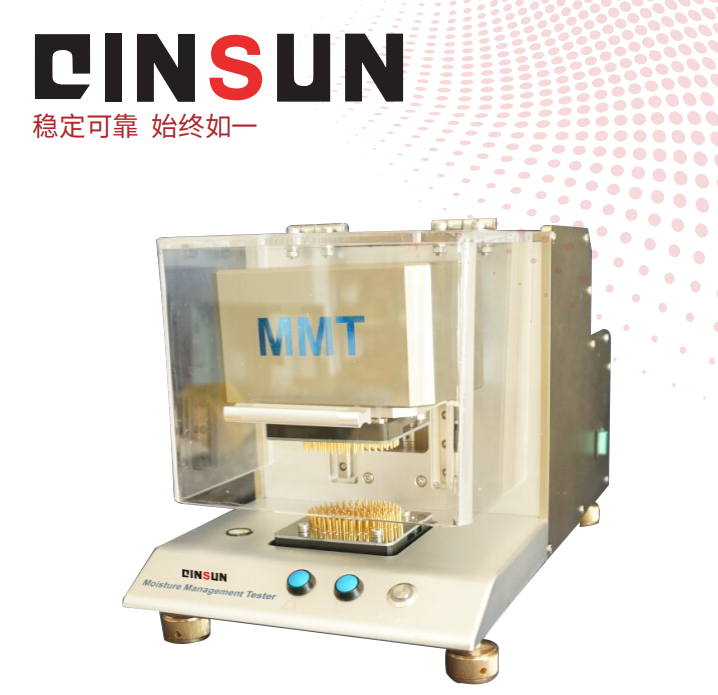 |
MMT Liquid Water Separation Tester,MMT Liquid Water Analysis Tool | Whats/App: +86 156 1874 6768 Web: standard-groups.com Applications Textile Manufacturing:Testing waterproof fabrics for outdoor gear R&D:De... |
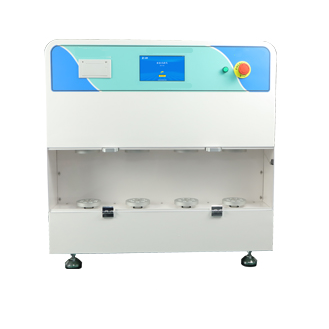 |
Flex endurance machine for soles | Whats/App: +86 156 1874 6768 Web: standard-groups.com Applications - Packaging Industry: The rubbing resistance tester is widely used in the pac... |
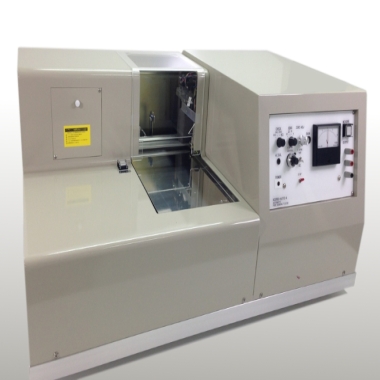 |
Bending Tester | Whats/App: +86 156 1874 6768 Web: standard-groups.com The Pure Bending Tester analyzes hand movements-referred to as "bending"-performed by artis... |
 |
Double Plate Thermal Conductivity Apparatus Manufacturer | Get a quote: Whats/App: +86 156 1874 6768 Web: standard-groups.com The double plate thermal conductivity tester, with an integrated water bath t... |
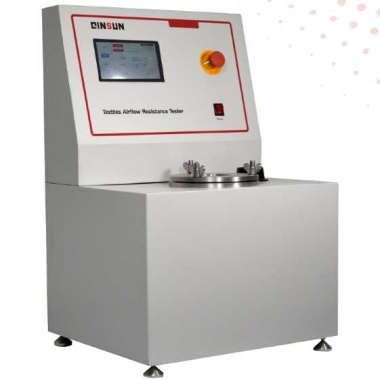 |
Face Mask Airflow Resistance Measurement tester | Whats/App: +86 156 1874 6768 Web: standard-groups.com Standards: GB19083-2010 technical requirements for medical protective masks Applications:... |
Same products
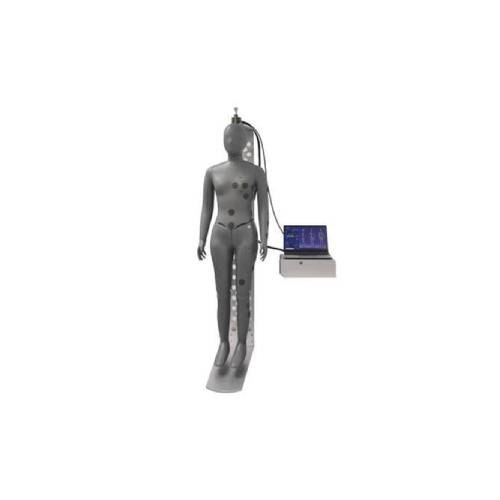 |
Full-Body Garment Stress Tester,FZ/T 70015 | Seller: Standard International Group (HK) Limited | Whats/App: +86 156 1874 6768 Web: standard-groups.com TheFull-Body Garment Stress Testeris a pr... |
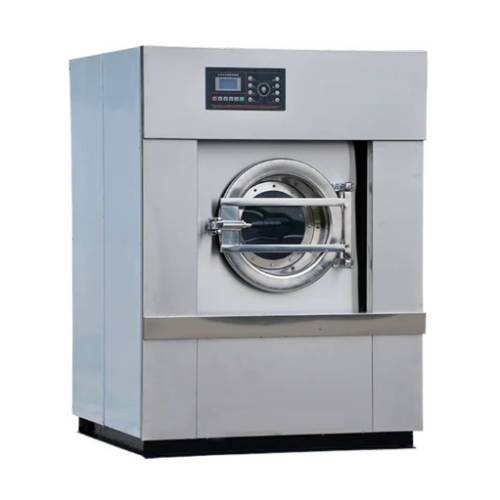 |
Industrial Dry Cleaning Machine,industrial garment steamer | Seller: Standard International Group (HK) Limited | Whats/App: +86 156 1874 6768 Web: standard-groups.com TheIndustrial Dry Cleaning and Energy-Sav... |
 |
MST Medical Compression Stocking Tester,compression sock tester | Seller: Standard International Group (HK) Limited | Whats/App: +86 156 1874 6768 Web: standard-groups.com The MST Medical Compression Stocking Test... |
|
|
MMT Liquid Water Separation Tester,MMT Liquid Water Analysis Tool | Seller: Standard International Group (HK) Limited | Whats/App: +86 156 1874 6768 Web: standard-groups.com Applications Textile Manufacturing:Testi... |
 |
Dental material color stability tester | Seller: Standard International Group (HK) Limited | Whats/App: +86 156 1874 6768 Web: standard-groups.com Application The applications of color st... |

