

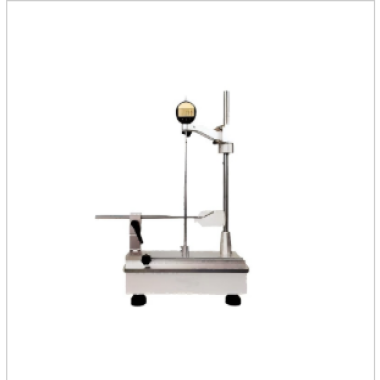
Bottle Wall and Bottom Thickness Tester

Whats/App: +86 156 1874 6768
Web: standard-groups.com
The wall and bottom thickness tester for bottles is a measuring instrument widely used in the pharmaceutical, food, cosmetics, and other industries.
Applications
The wall and bottom thickness tester for bottles is mainly used to measure the thickness of the walls and bottoms of containers such as glass bottles and plastic bottles. Through testing, we can understand the physical properties and structural characteristics of the bottles, thus optimizing the production process and material selection. At the same time, this tester also plays an important role in product quality control and safety assessment. By sampling and inspecting bottles on the market and evaluating their quality and safety, it helps regulatory authorities protect consumers' rights and interests.
Standards
The design and manufacture of the wall and bottom thickness tester for bottles comply with a series of national and international standards to ensure the accuracy and reliability of test results. Among the more common standards are YBB00322002 - 2015 Low - Boron - Silicate Glass Ampoules, YBB00332003 - 2015 Soda - Lime Glass Injection Bottles, YBB00322004 - 2015 Soda - Lime Glass Oral Liquid Bottles, and GB 12415 - 90 Test Methods for Internal Stress of Pharmaceutical Glass Containers. These standards specify in detail the test methods for the wall and bottom thickness of bottles, specimen preparation, test conditions, etc., providing a unified standard for the use of the tester.
Features
1. Precise Measurement: Electronic digital display reduces human error, ensuring accurate and reliable measurement data. Its high-precision capacitive grating sensing technology achieves a measurement accuracy of 0.01mm, far exceeding similar products.
2. Easy Operation: Utilizing advanced capacitive grating sensing technology, operation is simple and intuitive. The dual-head design allows operators to quickly switch between measuring the bottle bottom and bottle wall, improving work efficiency.
3. Strong Applicability: Meets the thickness measurement needs of various industries and bottle types. Whether glass or plastic bottles, bottles of different capacities and sizes can be accurately measured. Customizable sample diameter and height ranges further expand its applicability.
4. High Stability: The instrument's rational structural design and carefully optimized internal circuitry ensure stability during long-term use. Even in complex production environments or under frequent use, it maintains accurate measurement performance.
Technical Parameters
| Technical Parameter | Specification |
|---|---|
| Measurement Range | Usually 0 - 12.7mm (varies by instrument model); covers wall/bottom thickness testing needs of most bottles. |
| Resolution/Division Value | Generally 0.001mm or higher; enables precise measurement of bottle thickness changes. |
| Sample Dimensions | Sample diameter: usually 5 - 120mm (customizable); sample height: 5 - 330mm (customizable); adapts to bottles of different specifications/shapes. |
| Testing Principle | Adopts magnetic measurement principle or capacitive-grid sensing technology:- Magnetic principle: Steel balls placed inside the bottle for measurement.- Capacitive-grid technology: Measuring head contacts the bottle (matching the probe); sensors collect data, then the system calculates wall/bottom thickness. |
| Power Supply | Usually AC 220V 50Hz; ensures normal operation of the tester. |
| External Dimensions | Generally about 400mm (length) × 360mm (width) × 700mm (height); facilitates placement and movement. |
| Weight | Varies by model/brand; usually compact and lightweight for easy portability and operation. |
Accessoriess
1. Main Unit: Bottle Wall and Bottom Thickness Tester, featuring an advanced capacitive grating sensing measurement system, electronic digital display, and operation buttons. The main unit is robust and ergonomically designed for easy operation.
2. Measuring Heads: Equipped with two high-precision measuring heads, one for measuring the thickness of the bottle bottom and the other for the bottle wall. The measuring heads are made of a special material with excellent wear and corrosion resistance, ensuring long-term accuracy.
3. Calibration Tools: To ensure measurement accuracy, the instrument is equipped with standard calibration tools. Operators can periodically calibrate the instrument to ensure consistently reliable measurement results.
4. Instruction Manual and Warranty Card: A detailed instruction manual is provided to help users quickly familiarize themselves with the instrument's operation and precautions. A warranty card is also included, providing comprehensive after-sales support.
Test Procedures
1. Equipment Preparation: Connect to AC 220V 50Hz power supply. Calibrate the equipment using a standard thickness sample (ensuring resolution ≥ 0.001mm) and confirm normal equipment operation.
2. Sample Preparation: Select the bottle to be tested (diameter 5-120mm, height 5-330mm, or customized specifications). Clean the bottle wall/bottom surface, ensuring it is free of impurities and damage.
3. Select Test Mode: Select the test principle based on the bottle type (glass/plastic)—magnetic measurement (placing matching steel balls inside the bottle) or capacitive grid sensing (measuring head contacts the sample).
4. Sample Clamping: Fix the sample on the fixture and adjust the position of the steel balls or the contact point of the measuring head according to the test mode.
5. Parameter Setting: Set parameters such as the measurement range (0-12.7mm) through the interface to match the sample requirements.
6. Start Test: Run the program; the equipment automatically collects data and calculates the bottle wall/bottom thickness.
7. Result Processing: Export the data and verify that it meets the requirements of compliance standards such as YBB.
8. Post-processing: Remove the sample, clean the fixtures and measuring components, and turn off the power.
Send product request
Other supplier products
 |
Helmet Webbing Micro - displacement Abrasion Tester | Whats/App: +86 156 1874 6768 Web: standard-groups.com The helmet webbing micro-displacement wear testing machine is a comprehensive testing instr... |
 |
Socks wear tester | Whats/App: +86 156 1874 6768 Web: standard-groups.com Product Introduction: Socks wear tester is a special equipment, mainly used to test the we... |
 |
Pump and Valve Test Equipment | Whats/App: +86 156 1874 6768 Web: standard-groups.com Standards (1) ISO 4406:2021 — Hydraulic fluid power — Fluids — Method fo... |
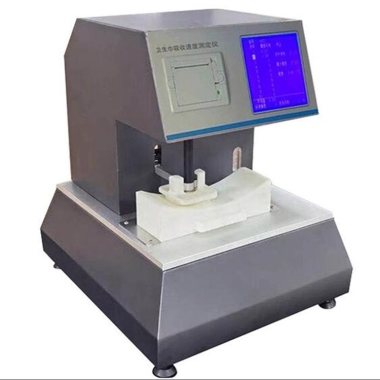 |
Sanitary Napkin Absorption Rate Tester | Whats/App: +86 156 1874 6768 Web: standard-groups.com Main uses: The absorption speed tester is used to measure the absorption speed of sanitary... |
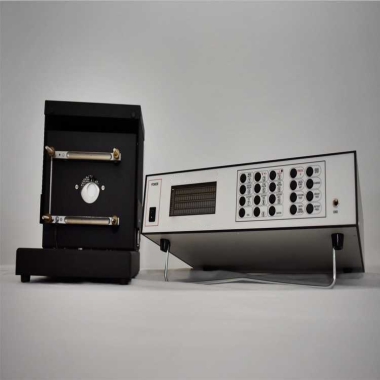 |
ASTM D257 Compliant Static Decay Equipment | Get a quote: Whats/App: +86 156 1874 6768 Web: standard-groups.com The Electrostatic Decay Tester is professionally designed to evaluate the sta... |
Same products
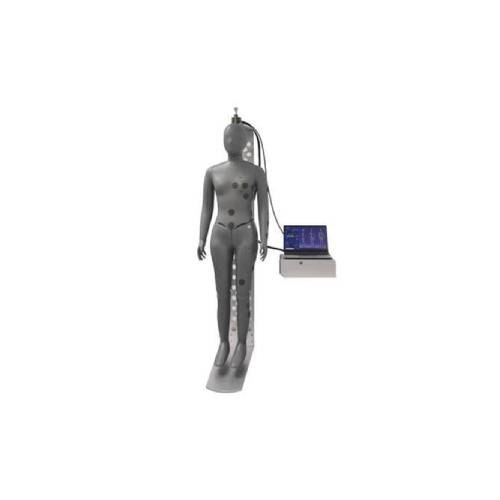 |
Full-Body Garment Stress Tester,FZ/T 70015 | Seller: Standard International Group (HK) Limited | Whats/App: +86 156 1874 6768 Web: standard-groups.com TheFull-Body Garment Stress Testeris a pr... |
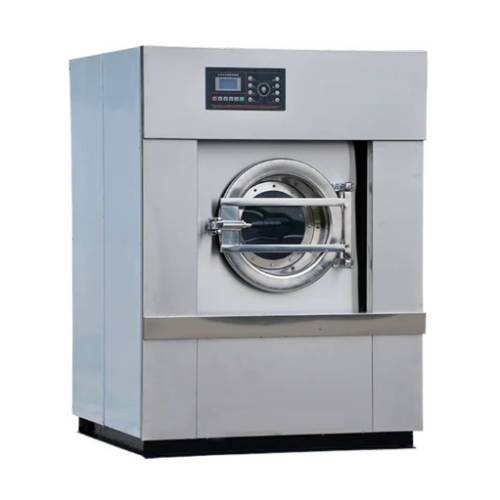 |
Industrial Dry Cleaning Machine,industrial garment steamer | Seller: Standard International Group (HK) Limited | Whats/App: +86 156 1874 6768 Web: standard-groups.com TheIndustrial Dry Cleaning and Energy-Sav... |
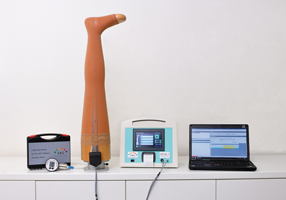 |
MST Medical Compression Stocking Tester,compression sock tester | Seller: Standard International Group (HK) Limited | Whats/App: +86 156 1874 6768 Web: standard-groups.com The MST Medical Compression Stocking Test... |
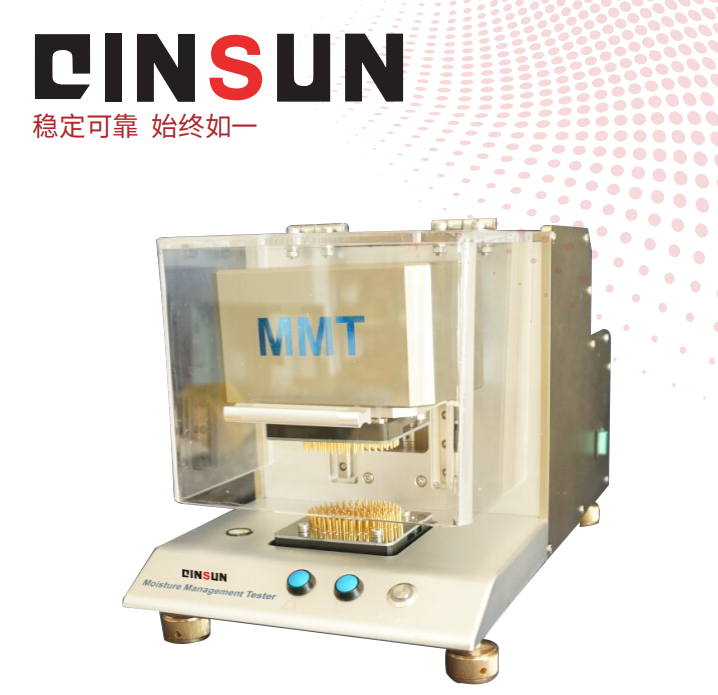 |
MMT Liquid Water Separation Tester,MMT Liquid Water Analysis Tool | Seller: Standard International Group (HK) Limited | Whats/App: +86 156 1874 6768 Web: standard-groups.com Applications Textile Manufacturing:Testi... |
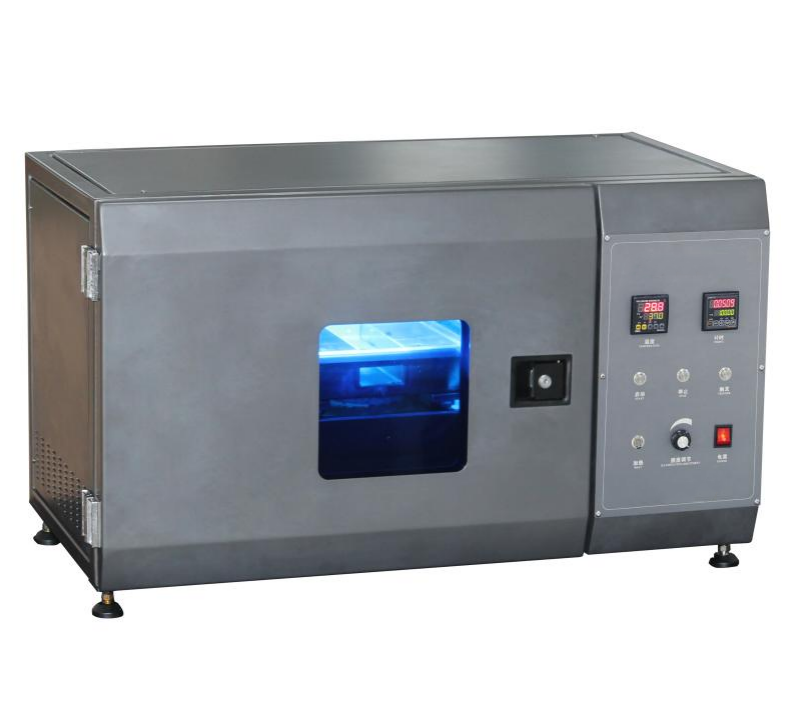 |
Dental material color stability tester | Seller: Standard International Group (HK) Limited | Whats/App: +86 156 1874 6768 Web: standard-groups.com Application The applications of color st... |

