

Safety Helmets Against Molten Metal Splashing Tester

Whats/App: +86 156 1874 6768
Web: standard-groups.com
The Safety Helmets Against Molten Metal Splashing Tester is designed to evaluate helmet performance under extreme thermal hazards, simulating molten metal splatter in industrial foundries. It measures helmet resistance to high-temperature metal contact, ensuring operator protection and compliance with national and international standards. The tester is suitable for industrial safety certification, R&D, and quality control of protective helmets.
Application
This tester is suitable for evaluating helmets against molten metal exposure in:
(1) Foundries and steel manufacturing plants (industrial helmets)
(2) Welding and metalworking operations (arc and welding helmets)
(3) High-temperature laboratory environments (research helmets)
(4) R&D of custom thermal-protection helmet designs
(5) Certification testing for EN/ISO molten metal resistance standards
Standards
The tester complies with the following standards:
(1) GB/T 2812 – Safety Helmets: Test Methods for Molten Metal Resistance (Draft Standard)
(2) GB 2811-2019 – Head Protection: General Technical Requirements
(3) ISO 13982-2 – Protective Clothing: Resistance to Molten Metal Splash
(4) CE Certification (Conformité Européenne)
Features
Extreme Temperature Validation: Simulates industrial molten metal exposure up to 1,800°C.
Precision Engineering: Adjustable pour height and specimen mass ensure repeatable splatter patterns.
High-Accuracy Temperature Control: PID-regulated furnace maintains ±10°C stability.
User-Centric Design: 7” touchscreen HMI with preloaded test sequences and real-time thermal imaging.
Quick-Release Crucible: Facilitates rapid specimen exchange for high-throughput testing.
Safety First: Dual cooling systems and high-temperature splash guard protect operators.
Industrial Durability: Refractory-lined test chamber and 304 stainless steel frame withstand cyclic high-temperature exposure.
Self-Calibrating System: Auto-tare and thermal uniformity checks ensure reliable testing.
Parameters
| Parameter | Specification |
|---|---|
| Pour Height | 225mm ±5mm (adjustable, 100mm range) |
| Max Temperature | 1,800°C (furnace capacity) |
| Standard Temperature | 1,400°C ±20°C |
| Molten Metal Specimen | 150g ±10g iron (Fe ≥93%) |
| Cooling System | Water-cooled control panel + forced-air chamber |
| Power Supply | 380V AC, 3-phase, 25kW |
| Dimensions | 1,250mm (W) × 750mm (D) × 1,350mm (H) |
| Weight | 450 kg (net) |
Accessories
(1) Testing Kit: 2x refractory crucibles (graphite, 150g capacity), 5x calibration grade Type K thermocouples (0–1,800°C)
(2) Software Suite: License key for ThermalTest Pro (Windows/Linux), 1-year free access to cloud-based thermal analysis tools
(3) Safety Gear: 2x heat-resistant gloves (EN 407 rated, 500°C), 1x face shield (ceramic coating, 1,800°C rated)
(4) Maintenance Kit: Spare refractory bricks and heating elements, machine cleaning solution (non-corrosive)
(5) Documentation: Multilingual quick-start guide (printed + digital), compliance certificates for GB/ISO standards
Test Procedures
Place the helmet securely on the modular head assembly and adjust to the correct head circumference.
Fill the crucible with the 150g iron specimen and adjust the pour height (225mm ±5mm).
Set the furnace temperature to 1,400°C ±20°C and allow stabilization.
Initiate the automated pour sequence using the touchscreen HMI.
Monitor real-time thermal imaging to verify helmet surface exposure.
Record test data for compliance reporting and quality control.
Repeat testing for additional helmets as required, ensuring cooling between cycles.
Maintenance Information
Inspect refractory lining, crucibles, and thermocouples regularly; replace if damaged.
Verify temperature calibration of thermocouples every six months using NIST-traceable instruments.
Clean water-cooled and forced-air systems to maintain thermal stability.
Store the tester in a dry, ventilated area to prevent corrosion.
Follow standard high-temperature safety procedures during operation and maintenance.
Send product request
Other supplier products
 |
Cigarette Draw Resistance Tester | Whats/App: +86 156 1874 6768 Web: standard-groups.com The Cigarette Draw Resistance Tester is designed to measure the airflow resistance encounte... |
 |
ISO Protective Clothing Liquid Resistance Tester | Get a quote: Whats/App: +86 156 1874 6768 Web: standard-groups.com The Protective Clothing Liquid Static Pressure Resistance Tester is designed ... |
 |
Alternative to PV Hail Impact Tester | Whats/App: +86 156 1874 6768 Web: standard-groups.com Application The Hail Impact Test Machine is suitable for a variety of testing and research... |
 |
ASTM F1671 Compliant Viral/Blood Penetration System | Get a quote: Whats/App: +86 156 1874 6768 Web: standard-groups.com The Wet Penetration Tester is designed to evaluate the resistance of protecti... |
 |
OEM Camera Airtightness Testing Machine | Get a quote: Whats/App: +86 156 1874 6768 Web: standard-groups.com Standards (1) IEC 60529 (IP Code protection classification) (2) ISO 20653 (... |
Same products
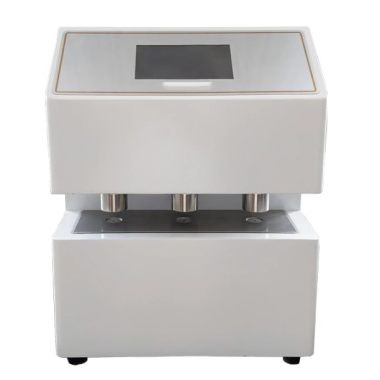 |
Battery Diaphragm Gas Permeability Tester ISO | Seller: Standard Groups | Get a quote: Whats/App: +86 185 0176 3615 Web: qinsun-lab.com The Battery Diaphragm Gas Permea... |
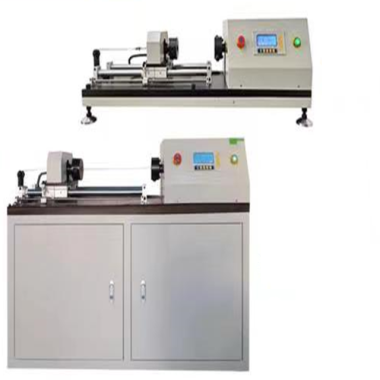 |
Torsion Testing Tester ASTM, JIS, and DIN | Seller: Standard Groups | Get a quote: Whats/App: +86 185 0176 3615 Web: qinsun-lab.com The Universal Torsion Testing Ma... |
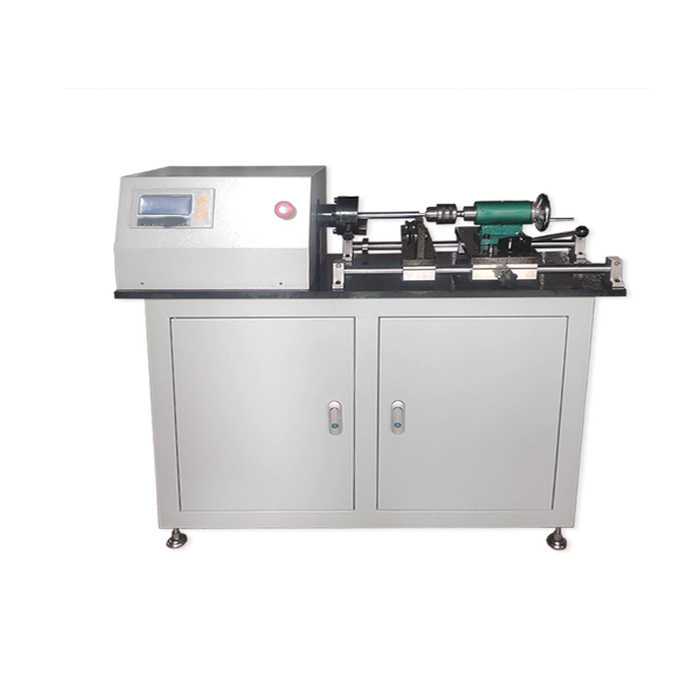 |
Wire Torsion and Winding Tester ASTM and JIS | Seller: Standard Groups | Get a quote: Whats/App: +86 185 0176 3615 Web: qinsun-lab.com The Wire Torsion and Winding Tes... |
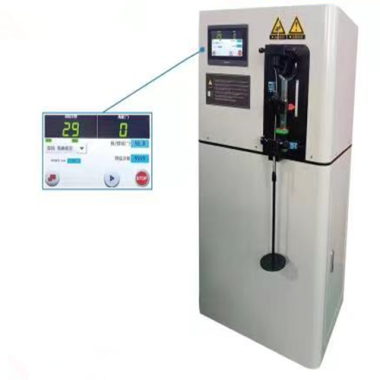 |
Metal Wire Repeated Bending Tester ISO/DIS 7801 | Seller: Standard Groups | Get a quote: Whats/App: +86 185 0176 3615 Web: qinsun-lab.com The Metal Wire Repeated Bending ... |
 |
Metal Wire Wrap Tester ISO 4101 | Seller: Standard Groups | Get a quote: Whats/App: +86 185 0176 3615 Web: qinsun-lab.com The Metal Wire Wrap Tester is de... |

