

Bundle wire and cable burning tester

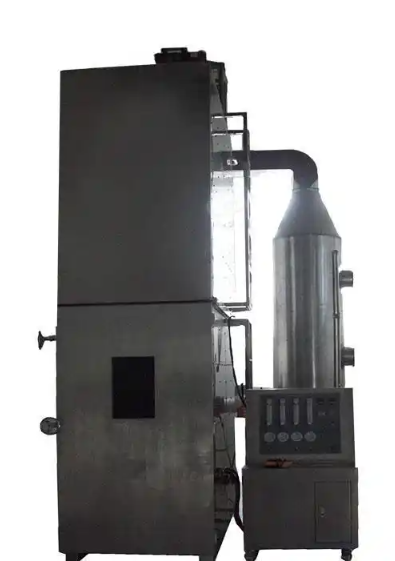
Introduction:
The Bundle Wire and Cable Burning Test Machine is a vital instrument for assessing the fire safety of multiple wires and cables when grouped together, simulating real-world installation scenarios. Unlike single wire tests, bundle tests evaluate the collective fire behavior of cables, which can significantly differ due to factors like heat transfer between cables and restricted air flow within the bundle. This testing is crucial for predicting how fire might spread in cable trays, conduits, or other confined spaces within buildings, transportation systems, and industrial facilities.
The methodology for bundle burning tests typically involves arranging multiple cable specimens, often of varying types and sizes, in a specific configuration defined by the relevant standard. These bundles are then exposed to a controlled flame source for a determined duration. Key parameters monitored during the test include the extent of flame propagation along the bundle, the duration of burning and afterglow, the amount of smoke generated, and the release of heat. Observing how the fire spreads within the bundle and whether it self-extinguishes provides critical insights into the fire risk associated with these cable installations.
Several international standards dictate the procedures and acceptance criteria for bundle wire and cable burning tests, including various parts of IEC 60332 and UL 1581. These standards aim to ensure that cable installations can limit the spread of fire, thus providing valuable time for evacuation and fire suppression. The fire performance rating achieved through bundle testing is a key factor in selecting appropriate cables for different environments and applications, ultimately contributing to enhanced safety and reduced fire hazards.
Technical parameters:
1. shape (overall space) size: 2500mm(length)*3200mm(width)*4500mm(height)
2. material: heat transfer coefficient of 0.7W∙m-2∙K-1 thermal insulation, that is, coated 65mm thick mineral fiber stainless steel plate
3. air source: control the gas flow through the box air is (5000±500) L/min, the test process can stabilize the air flow rate. A spraying device that forcibly stops burning after the test is completed
4. steel ladder type: width 500mm standard steel ladder width 800mm wide steel ladder
5. Discharge purification device: the test box has a collection and washing smoke device that does not change the air flow through the test box
6. ignition source: including one or two belt type propane gas burner and its supporting flow meter and venturi mixer. The fire supply surface shall be drilled with 242 flat metal plates with a diameter of 1.32mm aperture, with a center distance of 3.2mm and staggered in three rows of 81. 80 and 81 holes, respectively, distributed within a nominal size of 257×4.5mm. In addition, a row of small holes are opened on each side of the spout plate, and these guide holes can keep the flame burning steadily.
a) Each burner is equipped with a rotameter to accurately control the propane and air inflow rate.
b) Under the reference conditions of 100kPa and 20℃, the airflow rate of the test:
Air (77.7±4.8) L/min Propane (13.5±0.5) L/min
7. ignition source position: the torch is placed horizontally, away from the front surface of the cable sample (75±5) mm, away from the bottom of the test box (600±5) mm, and symmetrical with the axis of the steel ladder. The ignition point of the blowtorch should be located in the center between the two rungs of the steel ladder, and at least 500mm away from the lower end of the sample
8. observation window: tempered glass observation window, surrounded by stainless steel edge
9. exhaust system: spiral exhaust fan 2. sealing push and pull plate 2.0mm stainless steel
10. air inlet: 1 (Phi 160mm)
11. the bottom fixed frame: 40mm*40mm square pass production
Send product request
Other supplier products
 |
Appliance Stability Test device | Product Introduction The device conforms to GB4706-1 Article 20.1. IEC60335-1 Article 20.1 and other standards. The device is composed of a workbe... |
 |
(Ford) Automotive wire flexibility testing machine | Scope of application: Suitable for wire flexibility test with nominal cross-section ≤3.0mm2. Applicable standards: Engineering Specificatio... |
 |
Heel Fatigue Tester | Heel Fatigue Tester is used to determine the resistance of medium and high heels of ladies’ shoes under repeated small impacts to the heel ti... |
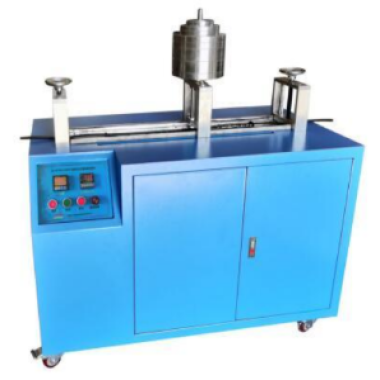 |
New energy wire and cable extrusion & scraping tester | Product Introduction: The new energy wire and cable extrusion jacket scratching tester is used to test the scratching resistance of the plastic ja... |
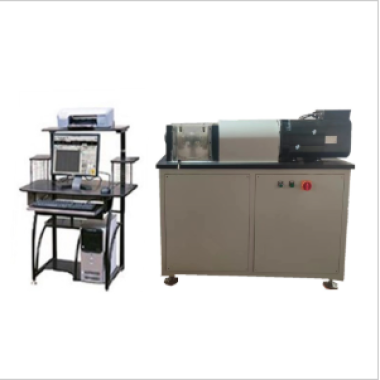 |
Sliding Bearing Fatigue Testing Machine | Material Research and Development During the research and development of new materials, this testing machine can be used to evaluate the fatigue p... |
Same products
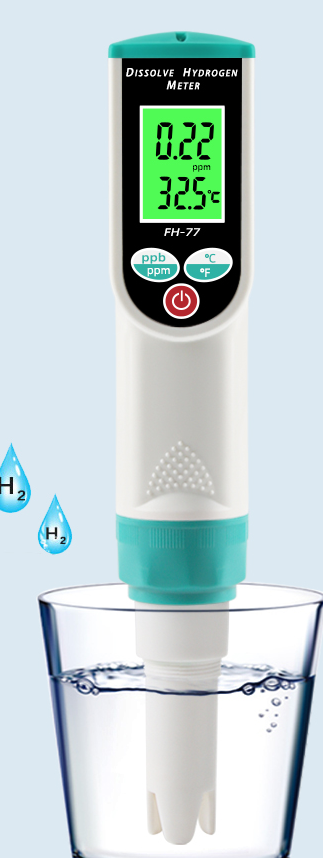 |
FH-77 Dissolved hydrogen meter | Seller: Kelilong Electron Co.,Ltd | Pen type dissolved hydrogen detector / dissolved hydrogen meter: used to measure the dissolved hy... |
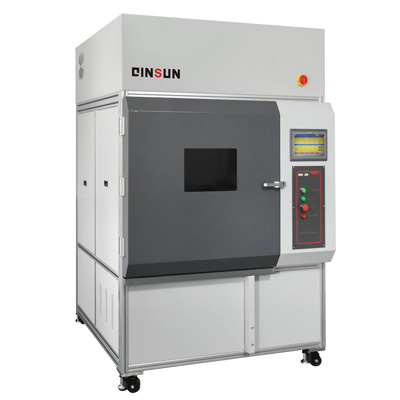 |
Xenon Arc Weather Ometer | Seller: Standard International Group (HK) Limited | Get a quote: Whats/App: +86 181 0160 0864 SI4000Xenon Arc Weather Ometer utilizes a xenon lamp ... |
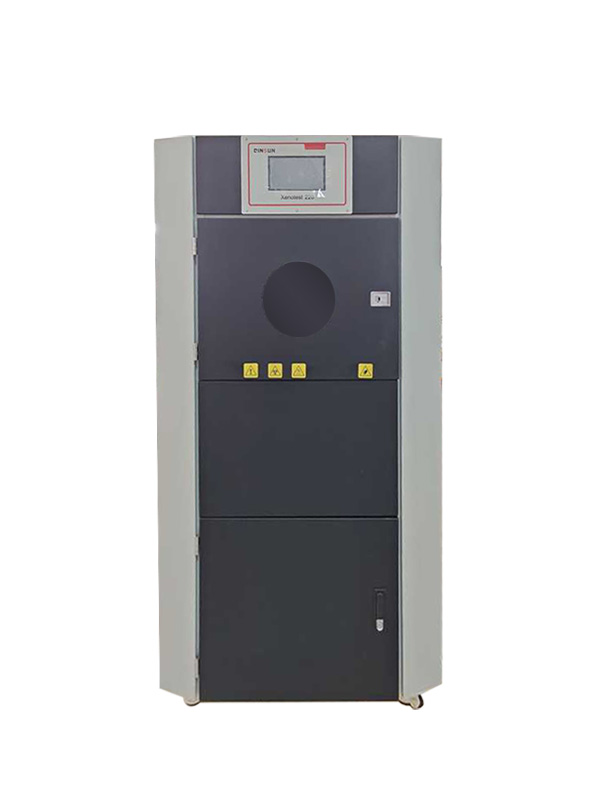 |
Xenotest | Light Fastness Tester Si220 (SunTest) | Seller: Standard International Group (HK) Limited | Get a quote: Whats/App:+86 180 0160 0864 A Light Fastness Tester, or Xenon Tester, Accelerated ... |
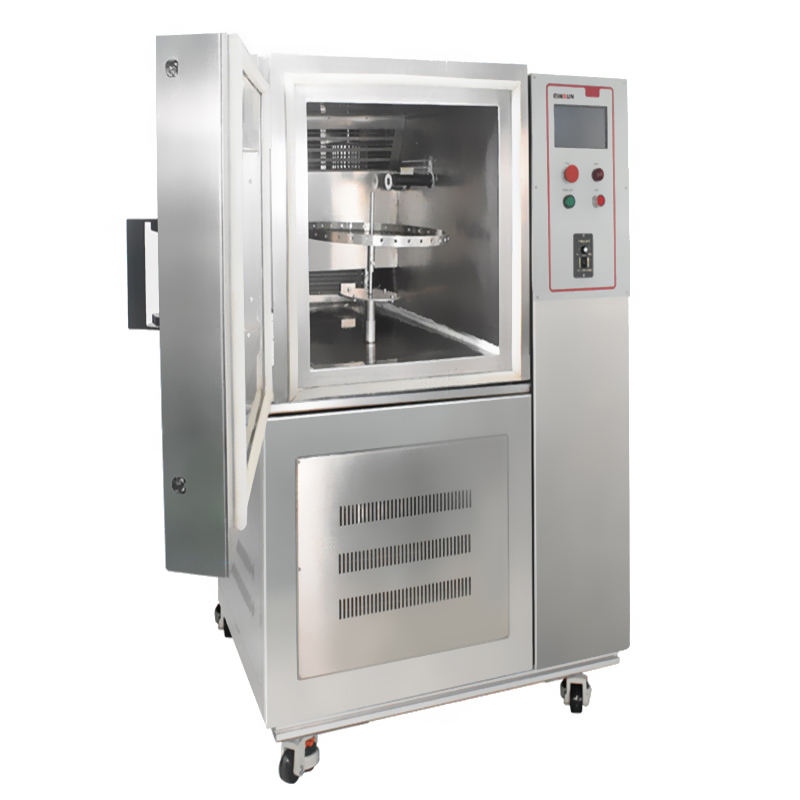 |
Ozone Aging Chamber | Seller: Standard International Group (HK) Limited | Get a quote: Whats/App:+86 156 1874 6768 The Ozone Aging Chamber is a precision testing instrum... |
 |
Plastic Smoke Density Tester F313 | Seller: Standard International Group (HK) Limited | Whats/App: +86 156 1874 6768 Web: standard-groups.com The F313 Plastic Smoke Density Tester is ... |

