Improve the processing efficiency of silicon wafers with titanium carbide powder

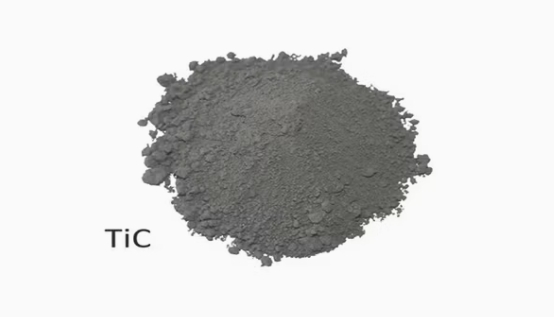
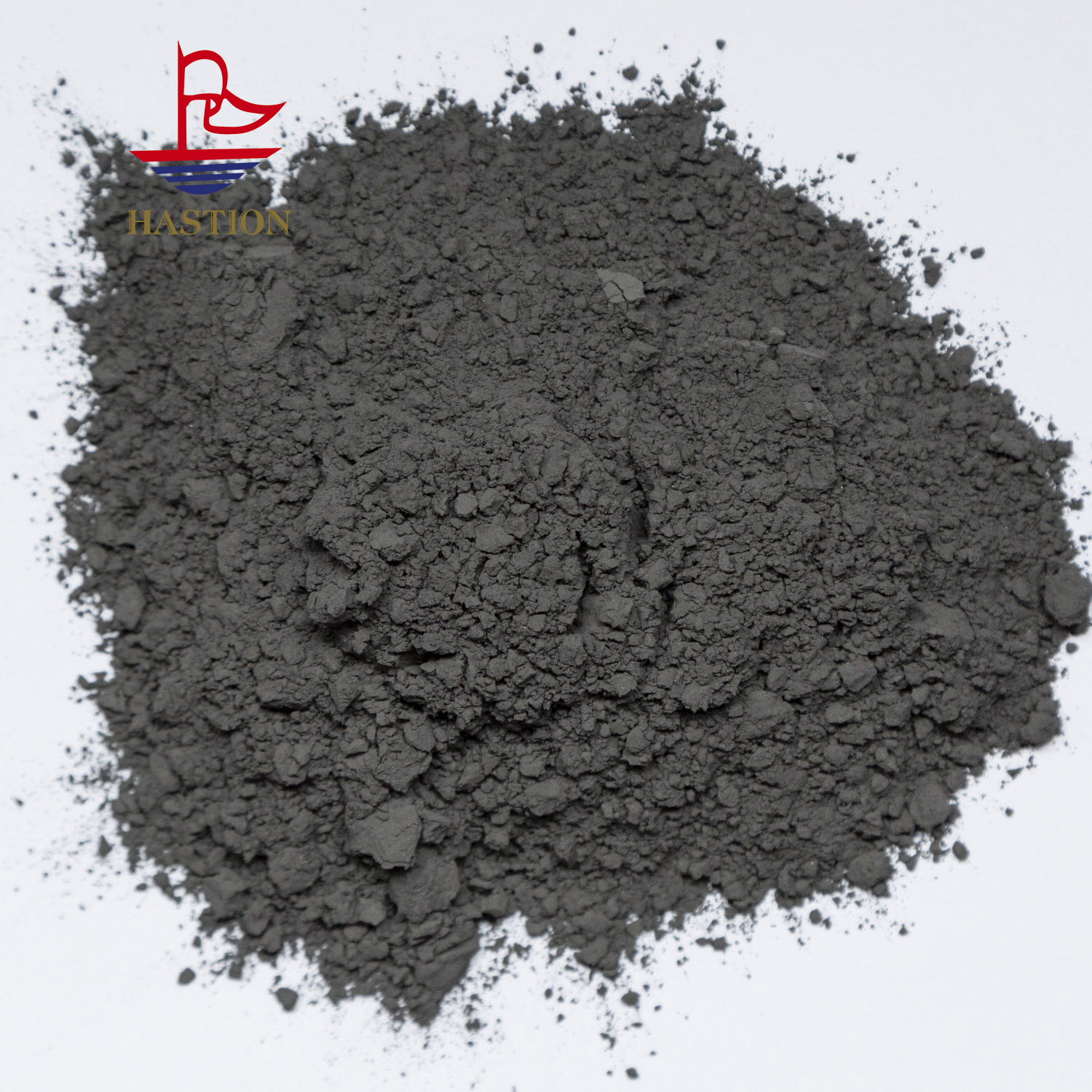
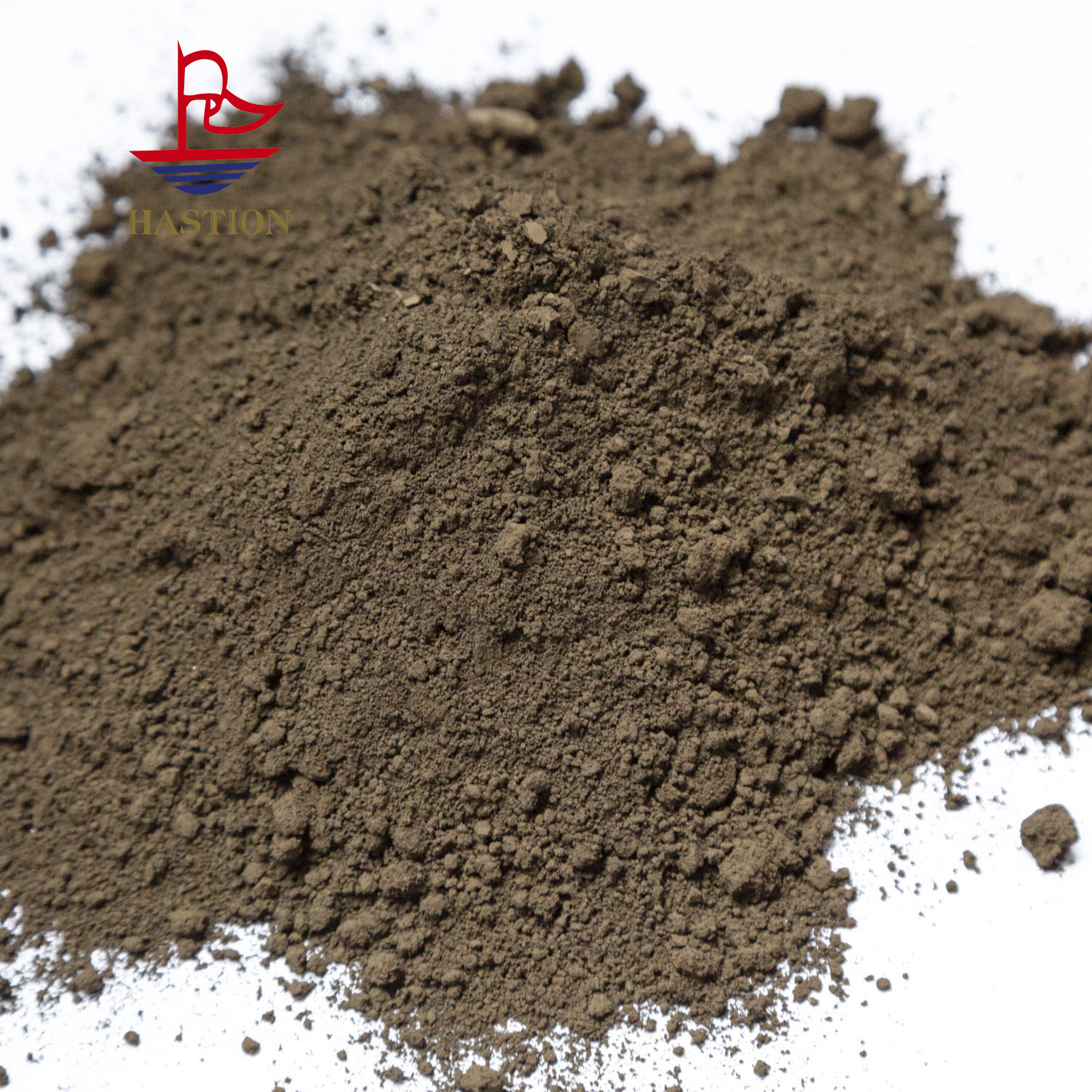
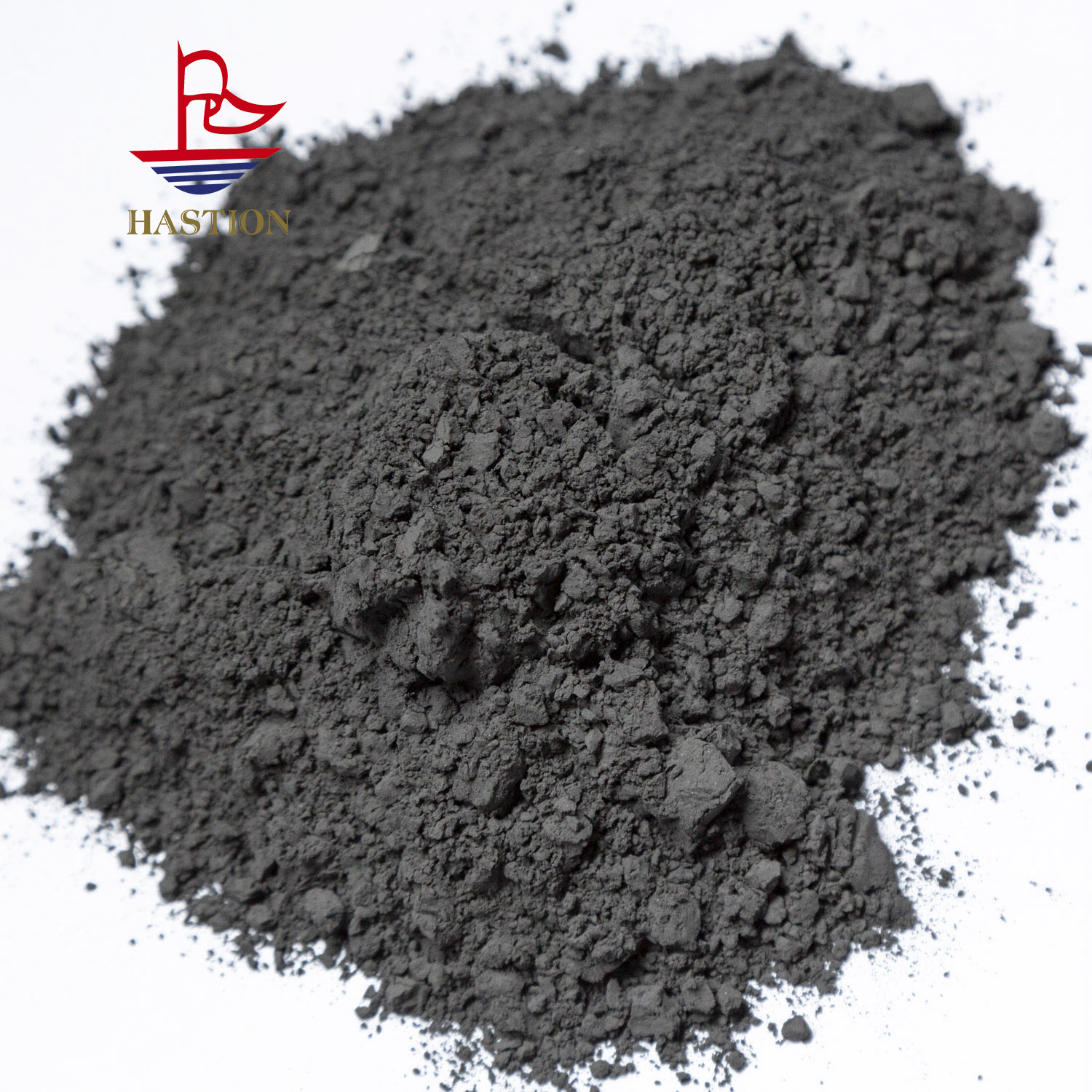
Titanium carbide powder can be mixed with other carbide powders (such as tungsten carbide and vanadium carbide) to form multi-component composite powders and customize materials with different properties. For instance, after adding 10% tungsten carbide powder, the flexural strength of the sintered body can be increased by 15%, making it suitable for manufacturing parts that bear impact loads. There are various methods for preparing powders, including carbothermal reduction and vapor deposition. Among them, the powder produced by carbothermal reduction has a relatively low cost and is suitable for large-scale application. In the mold industry, molds made of multi-component composite powders are not only wear-resistant but also impact-resistant, and have a wider range of applications. The particle morphology of this powder is controllable and can be made into spherical, quasi-spherical or irregular shapes to meet the requirements of different forming processes. Spherical powder has good fluidity and is suitable for laser 3D printing. The density of the printed parts can reach 99.8%, and its mechanical properties are comparable to those of traditional sintered parts. The bulk density of powder can be adjusted by particle size. Fine powder has a low bulk density and is suitable for pressing complex-shaped parts. Coarse powder has a high bulk density and is suitable for forming large-sized green bodies. In the field of personalized medical implants, 3D-printed titanium carbide parts are well compatible with human bones, and they are of high strength and light weight. Titanium carbide powder has excellent oxidation resistance. It is not prone to oxidation in the air below 600℃, and the oxidation rate at 800℃ is only 0.01mg/(cm²·h), making it suitable for manufacturing high-temperature wear-resistant components. Coating it on the surface of steam turbine blades can resist the erosion and oxidation of high-temperature gas, thereby extending the service life of the blades. The powder has a high grinding efficiency and can be used to make abrasives. When grinding hard alloys, its efficiency is twice that of alumina abrasives. In the processing of optical glass, the grinding tools made of this powder can ensure the high smoothness of the glass surface.
Send product request
Other supplier products
 |
Titanium carbide hard alloy guide wheel - high precision | The surface of the guide wheel can be subjected to specialized treatments as required. For example, applying a diamond coating can enhance its wear... |
 |
Fast response to lead time Titanium carbide guide wheels | The titanium carbide guide wheel has a wide range of working temperature, with stable performance under the environment of -100℃ to 600℃, and it ... |
 |
Titanium carbide alloy guide wheel industrial transmission | This type of guide wheel can be customized with various groove shapes—such as V-shaped, U-shaped, and semi-circular—based on the specif... |
 |
Wear resistance increased by 2 times Carbide guide wheels | Carbide titanium carbide guide wheel is the key guiding parts in the production of wire and pipe, which is made of high purity titanium carbide and... |
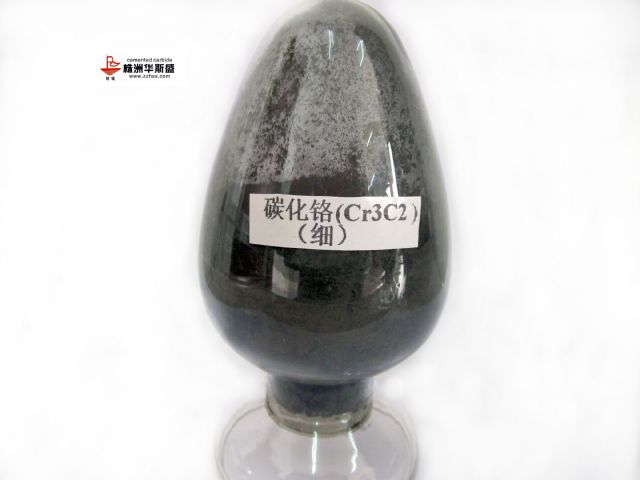 |
High temperature resistant chromium carbide powder | Chromium carbide powder is a grey or black powdery inorganic compound, mainly composed of chromium and carbon elements, the chemical formula is C... |