Taichi And Taichi Regimen Theories


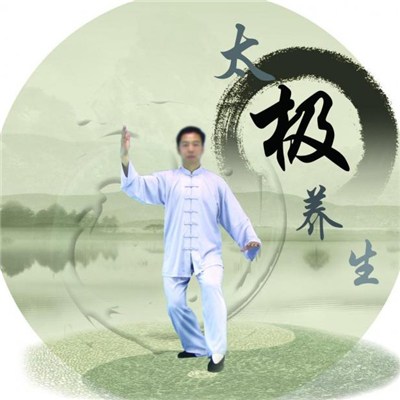
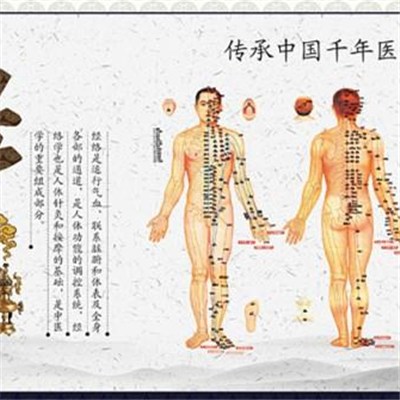
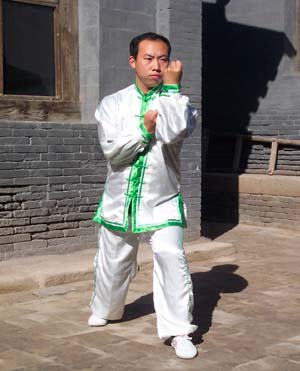
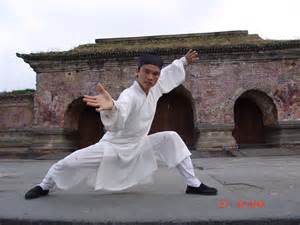
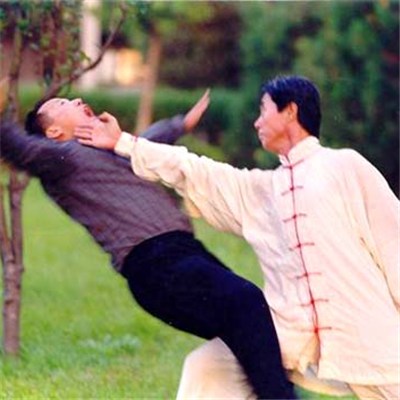
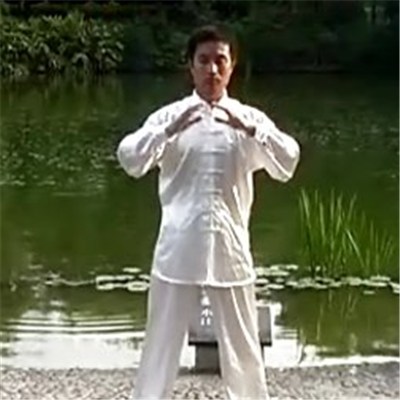
The concept of the taiji ("supreme ultimate"), in contrast with wuji ("without ultimate"), appears in both Taoistand Confucian Chinese philosophy, where it represents the fusion or mother[2] of yin and yang into a single ultimate, represented by the taijitu symbol . T'ai chi ch'uan theory and practice evolved in agreement with many Chinese philosophical principles, including those of Taoism and Confucianism. T'ai chi ch'uan training involves five elements, taolu (solo hand and weapons routines/forms), neigong & qigong(breathing, movement and awareness exercises and meditation), tuishou (response drills) and sanshou (self defence techniques). While t'ai chi ch'uan is typified by some for its slow movements, many t'ai chi styles (including the three most popular – Yang, Wu, and Chen) – have secondary forms with faster pace. Some traditional schools of t'ai chi teach partner exercises known as tuishou ("pushing hands"), and martial applications of the taolu's(forms') postures. In China, t'ai chi ch'uan is categorized under the Wudang grouping of Chinese martial arts[3] – that is, the arts applied with internal power.[4] Although the term Wudang suggests these arts originated in the Wudang Mountains, it is simply used to distinguish the skills, theories and applications of neijia ("internal arts") from those of the Shaolin grouping, waijia ("hard" or "external") martial art styles. Since the first widespread promotion of t'ai chi ch'uan's health benefits by Yang Shaohou, Yang Chengfu, Wu Chien-ch'uan, and Sun Lutang in the early 20th century, it has developed a worldwide following among people with little or no interest in martial training, for its benefit to health and health maintenance.[7]Medical studies of t'ai chi support its effectiveness as an alternative exercise and a form of martial arts therapy. It is purported that focusing the mind solely on the movements of the form helps to bring about a state of mental calm and clarity. Besides general health benefits and stress management attributed to t'ai chi ch'uan training, aspects of traditional Chinese medicine are taught to advanced t'ai chi ch'uan students in some traditional schools.[8]Some other forms of martial arts require students to wear a uniform during practice. In general, t'ai chi ch'uan schools do not require a uniform, but both traditional and modern teachers often advocate loose, comfortable clothing and flat-soled shoes. The physical techniques of t'ai chi ch'uan are described in the "T'ai chi classics", a set of writings by traditional masters, as being characterized by the use of leverage through the joints based on coordination and relaxation, rather than muscular tension, in order to neutralize, yield, or initiate attacks. The slow, repetitive work involved in the process of learning how that leverage is generated gently and measurably increases, opens the internal circulation (breath, body heat, blood, lymph, peristalsis, etc.). The study of t'ai chi ch'uan primarily involves three aspects:Health: An unhealthy or otherwise uncomfortable person may find it difficult to meditate to a state of calmness or to use t'ai chi ch'uan as a martial art. T'ai chi ch'uan's health training, therefore, concentrates on relieving the physical effects of stress on the body and mind. For those focused on t'ai chi ch'uan's martial application, good physical fitness is an important step towards effective self-defense.Meditation: The focus and calmness cultivated by the meditative aspect of t'ai chi ch'uan is seen as necessary in maintaining optimum health (in the sense of relieving stress and maintaining homeostasis) and in application of the form as a soft style martial art.Martial art: The ability to use t'ai chi ch'uan as a form of self-defense in combat is the test of a student's understanding of the art. T'ai chi ch'uan is the study of appropriate change in response to outside forces, the study of yielding and "sticking" to an incoming attack rather than attempting to meet it with opposing force.[11] The use of t'ai chi ch'uan as a martial art is quite challenging and requires a great deal of training.Tai chi’s gentle, non-jarring movements support bodily functions in three basic ways:Tai chi trains the major ligaments that serve as the springs of the body. Anatomically, the human body is kept upright by ligaments, not bones, as is commonly believed. Ligaments are also critical in keeping your internal organs from impinging on each other and thereby downgrading their functions.Tai chi tones the muscles.Tai chi trains biomechanical alignments, which enables the bones and internal organs to withstand the forces of gravity that pull on all the other parts of your anatomy attached to them.Tai chi movements generate increased chi flow through the body’s acupuncture meridian lines and through the channels of other energy systems in the body, such as the left, right and central energy channels. As a result, you effectively cultivate more chi in several ways. You can unblock it, balance it and open the flow of chi moving within and through your energy channels. Equally, increasing the flow of fluids within your body also increases the flow of chi, as they are inextricably linked.
Other supplier products
|
|
Chikung Forms |
FormsThere are numerous qigong forms. 75 ancient forms that can be found in ancient literature and also 56 common or contemporary forms have been d... |
|
|
Xingyi Animal Forms |
Xing Yi Quan is based on twelve distinct Animal Shapes[37] (of which, ten animals are more common - see table below). Present in all regional and f... |
|
|
Wudang Taichi Boxing |
Wudang t'ai chi ch'uan (武當太極拳) is the name of a system of t'ai chi ch'uan (taijiquan) that was developed by a Hong Kong based t'ai chi ch'uan maste... |
|
|
Cheng-style Bagua |
Cheng Tinghua, also called Yingfang was from Shen County in Hebei. He was born in 1848 and died in 1900. He was 52 years old. In Mr. Chengs early... |
|
|
Chikung Techniques |
TechniquesWhether viewed from the perspective of exercise, health, philosophy, or martial arts training, several main principles emerge concerning ... |
All supplier products
Same products
|
|
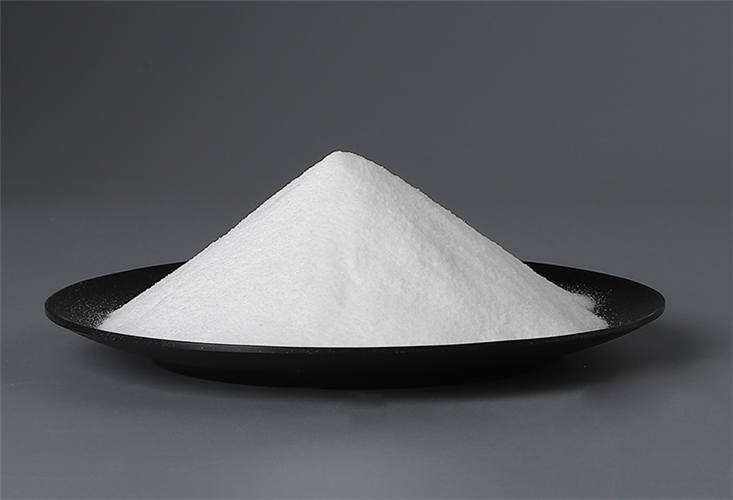
High Purity Silica Sand |
Seller: Hebei Chida Manufacture and Trade Co., Ltd |
High Purity Silica Sand
Product Description
Applying specific quartz mine, High Purity Silica S... |
|
|
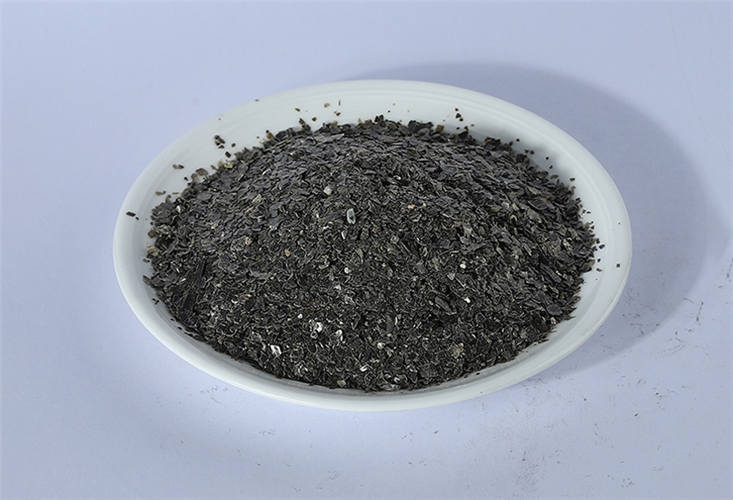
Mica Powder |
Seller: Hebei Chida Manufacture and Trade Co., Ltd |
Mica Powder
Product Description
Mica is a layered silicate with good elasticity, toughness, ins... |
|
|
Calcined Kaolin |
Seller: Shengshi Jinyang Group Co.,LTD. |
Calcined Kaolin:
Calcined Kaolin is representative of high quality hard clay in China. After calc... |
|
|
Silica Ramming Mix |
Seller: Hebei Xuankun Refractory Material Technology and Development Co., Ltd |
What's Silica Ramming Mix
is made of high purity micro crystalline quartz sand, powder, adding h... |
|
|
Silica Powder |
Seller: Hebei Xuankun Refractory Material Technology and Development Co., Ltd |
What’s Silica Powder
is made of natural silica stone through the following production pr... |