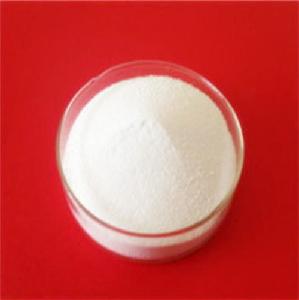
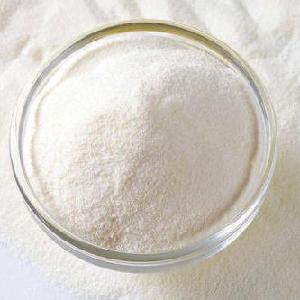
L-Methionine

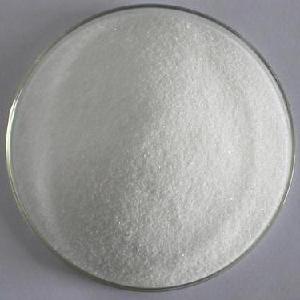
Core Biological Functions of L-Methionine Protein Synthesis Precursor: As an essential amino acid, L-Methionine is a fundamental building block for protein synthesis, participating in the formation of structural proteins (e.g., muscle fibers) and functional proteins (e.g., enzymes, antibodies) in organisms. It initiates the translation process of protein synthesis by acting as the N-terminal amino acid of nascent peptide chains. Methyl Group Donor: The methylthio group in L-Methionine can be activated to form S-adenosylmethionine (SAM), a universal methyl donor in biological systems. It participates in over 100 methyltransferase-catalyzed reactions, regulating the synthesis and metabolism of nucleic acids (DNA/RNA methylation), lipids (cholesterol biosynthesis), neurotransmitters (epinephrine, choline synthesis), and hormones (thyroid hormone activation), thereby influencing gene expression, cell signaling, and metabolic balance. Antioxidant Defense: L-Methionine is a precursor for glutathione (GSH) synthesis—after conversion to cysteine via transsulfuration, it combines with glutamate and glycine to form GSH, a key intracellular antioxidant. GSH scavenges reactive oxygen species (ROS), protects cell membranes from oxidative damage, and maintains the activity of antioxidant enzymes (e.g., glutathione peroxidase). Lipid Metabolism Regulation: It promotes fatty acid oxidation and inhibits fat accumulation in the liver by participating in the synthesis of carnitine (a molecule that transports fatty acids into mitochondria for energy production). This helps prevent fatty liver disease and regulates cholesterol metabolism by facilitating the conversion of homocysteine to cysteine, reducing the risk of hyperhomocysteinemia-related cardiovascular issues.
Другие товары поставщика
|
|
L-Methionine |
L-Methionine accelerates tissue repair by: Promoting the synthesis of collagen and elastin, which form the structural framework of healing tissues ... |
|
|
L-Threonine |
Industrial and Practical Implications Food and Feed Additives: L-Threonine’s solubility and stability make it suitable for fortifying foods a... |
|
|
Chemical |
L-Methionine plays a pivotal role in maintaining liver function and preventing lipid accumulation: It promotes fatty acid oxidation: By supporting ... |
|
|
Glycine |
Glycine is a non-essential amino acid naturally present in the human body and is also a substance internationally recognized as having extremely hi... |
|
|
Inulin Powder Supplier |
Product Introduction Inulin powder, derived from Jerusalem artichoke or chicory, is a natural fructooligosaccharide consisting of a fructose comple... |
Все товары поставщика
Похожие товары
|
|
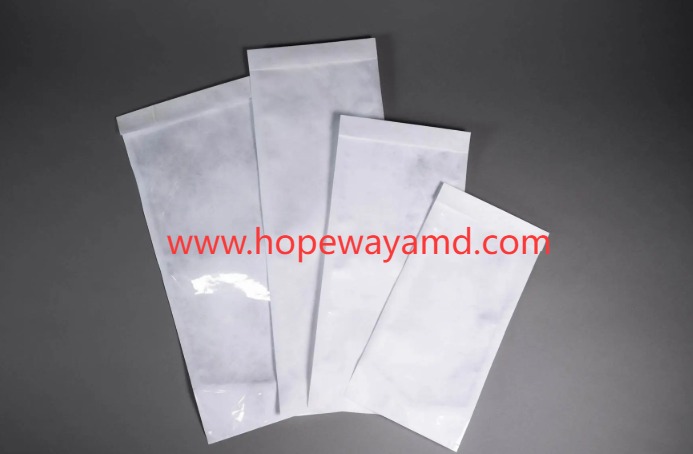
Heat Sealing Sterilization Pouch |
Продавец: Hopeway AMD |
Heat Sealing Sterilization Pouch is designed for secure medical instrument packaging, supporting ... |
|
|
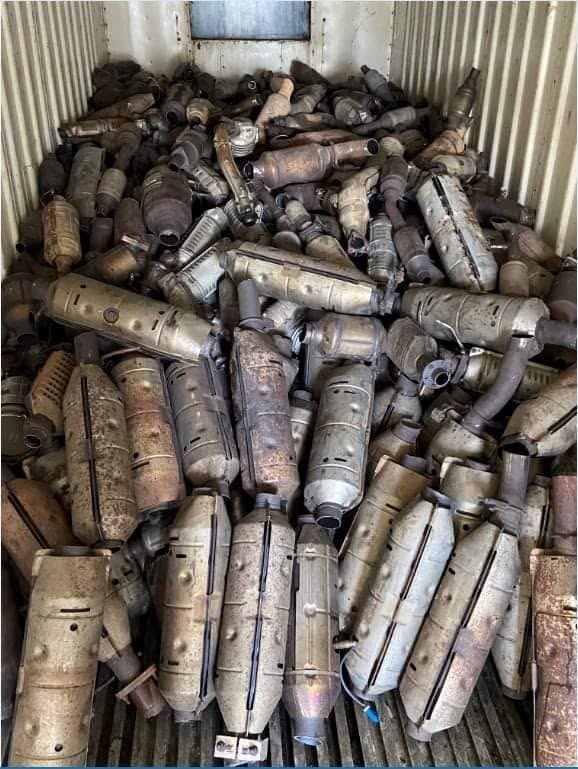
Catalytic Converter Scrap Supplier, Catalytic Converter Scrap for Sale, , Catalytic Converter Scrap, Catalytic Scrap for Sale, Catalytic Scrap Supplier, Scrap Catalytic Supplier |
Продавец: Trucont LLC |
В компании Trucont LLC мы постоянно предлагаем лом каталитических преобразователей для немедленно... |
|
|
Epimedium Extract |
Продавец: Fruit Powder,Vegetable Powder |
Product Name: Epimedium ExtractLatin Name: Epimedium Sagittatum Maxim.Specification: Icariin 5%, ... |
|
|
Pumpkin Powder |
Продавец: Fruit Powder,Vegetable Powder |
Product Name: Pumpkin PowderLatin Name: Cucurbita pepo L.Used Part: FruitAppearance: yellow fine ... |
|
|
Broccoli Powder |
Продавец: Fruit Powder,Vegetable Powder |
Product Name: Broccoli powder
Latin Name: Brassica oleracea L.var.italic Planch.
Used Part: Who... |