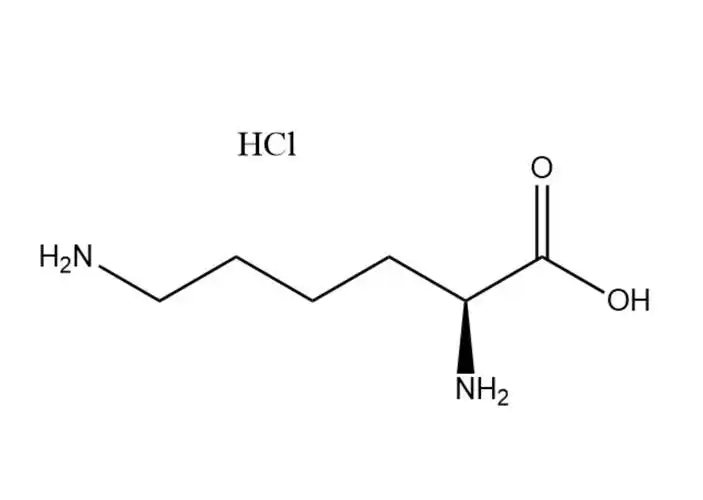
L-proline
The biological functions of L-proline
Protein structure maintenance: L-proline is one of the 20 common amino acids that make up proteins. Its cyclic structure can affect the secondary structure of proteins, causing a turn in the direction of polypeptide chains and playing a key role in the structural formation and stability of proteins such as collagen. Collagen contains a large amount of proline and hydroxyproline, which are crucial for maintaining the triple helix structure and stability of collagen.
Participation in biological metabolism: In organisms, proline is involved in multiple metabolic pathways. It can serve as an energy source and provide energy for cells through a series of metabolic reactions. In addition, proline is also involved in processes such as nitrogen metabolism and osmotic pressure regulation.
Другие товары поставщика
|
|
N-Acetyl-L-Cysteine |
Uses of N-Acetyl-L-Cysteine 1. Antioxidant Support: ·NAC replenishes glutathione levels, which helps neutralize free radicals and reduce oxi... |
|
|
L-lysine monohydrochloride |
In industrial production and application, the following physicochemical properties are the core quality control indices for L-lysine monohydrochlor... |
|
|
Glycine |
Glycine is a very simple α-amino acid with the widest range of applications among the non-essential amino acids in the human body. Due to its... |
|
|
L-lysine monohydrochloride |
The free Cl⁻ ion in the hydrochloride salt form undergoes typical halide ion reactions, which are used for qualitative identification of L-lysine m... |
|
|
L-Threonine |
Nutritional Fortification and Amino Acid Supplementation Essential Amino Acid Addition: L-Threonine is an essential amino acid for humans (cannot b... |
Все товары поставщика
Похожие товары