L-Methionine

Industrial Production Sources of L-Methionine(For Additives & Fortification) To meet the high demand for L-methionine in food, feed, and pharmaceutical industries, large-scale industrial production is the primary source of purified L-methionine. Two main production routes dominate: (1) Chemical Synthesis The traditional and most widely used method involves synthesizing a racemic mixture (DL-methionine) from petrochemical raw materials (e.g., acrolein, methyl mercaptan, and ammonia). The racemate is then resolved into L-methionine (the biologically active isomer) via enzymatic or chemical resolution. This method is cost-effective, with high production capacity, and accounts for over 80% of global industrial output. DL-methionine is also directly used in animal feed (as animals can partially convert D-methionine to L-methionine), while purified L-methionine is used in human food and pharmaceuticals. (2) Biofermentation (Green & Sustainable Route) With the development of synthetic biology and industrial microbiology, biofermentation has emerged as an eco-friendly alternative to chemical synthesis. This process uses genetically engineered microorganisms (e.g., Corynebacterium glutamicum, Escherichia coli) to produce L-methionine from renewable substrates such as glucose (derived from corn or sugarcane), molasses, or glycerol. The microorganisms convert the carbon source into L-methionine through metabolic pathways optimized by gene editing, resulting in high-purity (≥98%) L-methionine without the need for resolution. Biofermentation is gaining traction due to its lower carbon footprint, compliance with green production policies, and growing demand for natural ingredients. Major manufacturers (e.g., Evonik, Adisseo, Meihua Biotech) are expanding fermentation-based production capacity, with this route expected to account for 30–40% of global supply by 2030.
Другие товары поставщика
|
|
DL-Methionine |
Appearance and Crystal Morphology of DL-MethionineAt room temperature and normal pressure, DL-methionine exists as a white, odorless crystalline po... |
|
|
Manufacturer |
Metabolism and Safety of L-Methionine L-Methionine is absorbed in the small intestine via amino acid transporters and metabolized primarily in the ... |
|
|
High quality |
Beyond natural occurrence, L-tryptophan is sometimes added to fortified foods and functional products to enhance nutritional value or provide speci... |
|
|
L-tryptophan |
L-tryptophan is typically a white to slightly yellowish crystalline powder or needle-like crystals. It has a faint, characteristic odor and a sligh... |
|
|
DL-Alanine |
DL-Alanine is an α-amino acid that participates in human energy metabolism (via the glucose-alanine cycle, which helps remove excess ammonia ... |
Все товары поставщика
Похожие товары
|
|
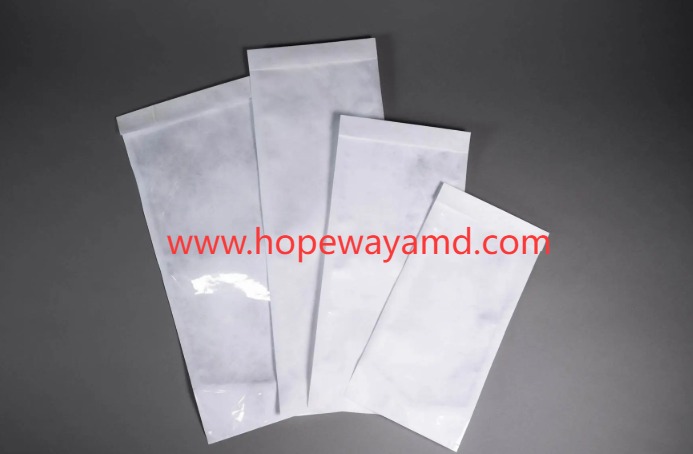
Heat Sealing Sterilization Pouch |
Продавец: Hopeway AMD |
Heat Sealing Sterilization Pouch is designed for secure medical instrument packaging, supporting ... |
|
|
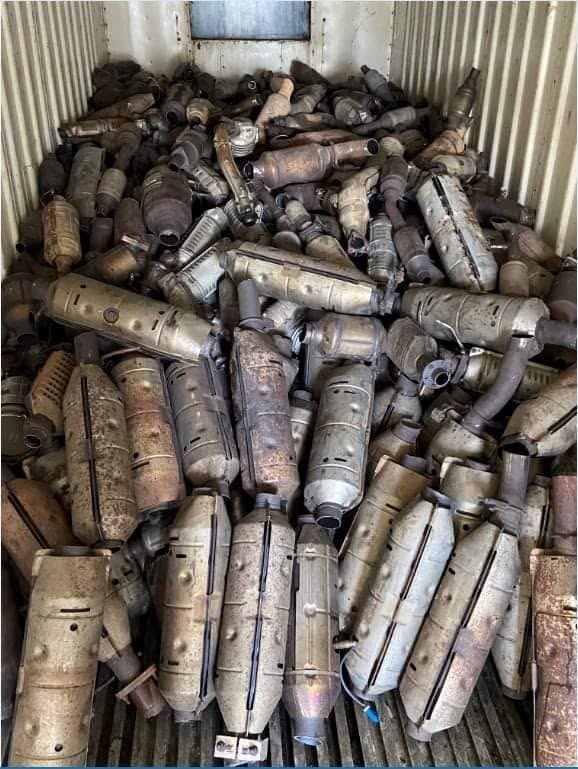
Catalytic Converter Scrap Supplier, Catalytic Converter Scrap for Sale, , Catalytic Converter Scrap, Catalytic Scrap for Sale, Catalytic Scrap Supplier, Scrap Catalytic Supplier |
Продавец: Trucont LLC |
В компании Trucont LLC мы постоянно предлагаем лом каталитических преобразователей для немедленно... |
|
|
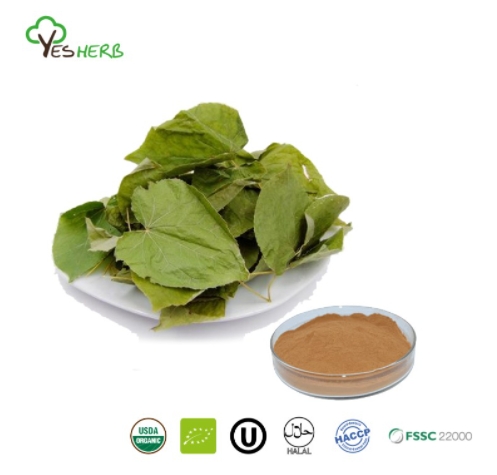
Epimedium Extract |
Продавец: Fruit Powder,Vegetable Powder |
Product Name: Epimedium ExtractLatin Name: Epimedium Sagittatum Maxim.Specification: Icariin 5%, ... |
|
|
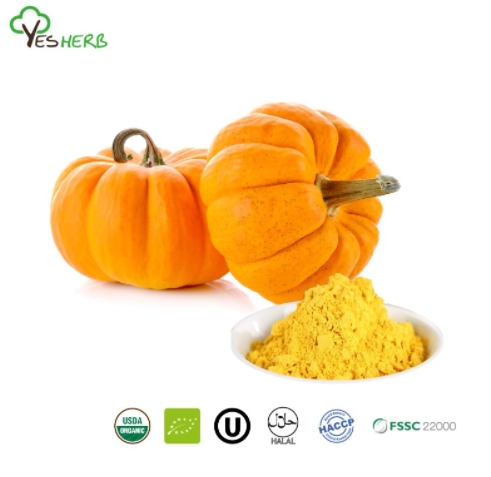
Pumpkin Powder |
Продавец: Fruit Powder,Vegetable Powder |
Product Name: Pumpkin PowderLatin Name: Cucurbita pepo L.Used Part: FruitAppearance: yellow fine ... |
|
|
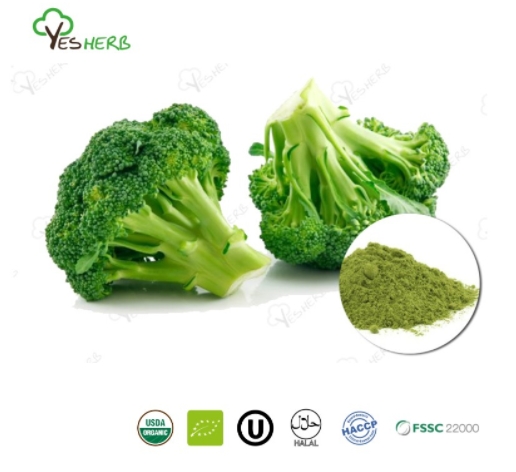
Broccoli Powder |
Продавец: Fruit Powder,Vegetable Powder |
Product Name: Broccoli powder
Latin Name: Brassica oleracea L.var.italic Planch.
Used Part: Who... |